




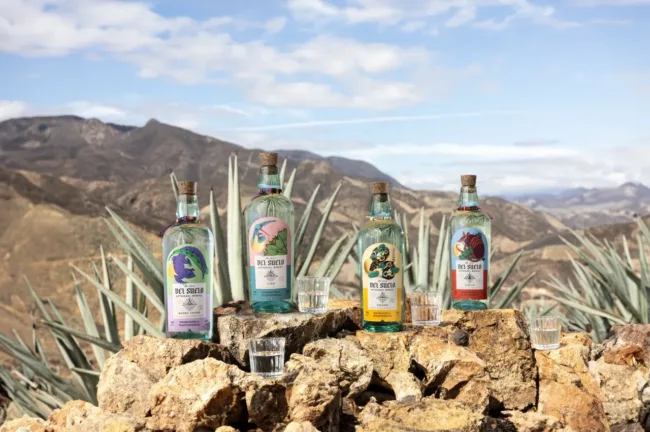
In a decisive expansion beyond its whiskey and gin roots, Kirker Greer Spirits has officially entered the agave category with the launch of Del Suelo Mezcal, a four-expression range co-created with renowned Mexican distiller Alí Rogelio Ramírez. The Belfast-based company’s first step into mezcal underscores a broader shift in strategy as it chases the booming global demand for craft, authentic, and terroir-driven spirits. The debut signals not just a category addition but a strategic repositioning toward a more globally diversified premium portfolio.
Why did Kirker Greer Spirits choose to move into agave now?
For the company, timing is everything. The global spirits landscape is undergoing structural change: consumer preferences are leaning toward provenance-rich, small-batch brands with a traceable origin story. Mezcal, long regarded as tequila’s smoky cousin, has broken into the mainstream as both a bartender’s darling and a luxury collectible.
Analysts estimate the mezcal market could more than double by 2032, expanding at a compound annual growth rate above 10 percent. This places it among the fastest-growing premium spirits categories worldwide. For Kirker Greer Spirits, whose portfolio already includes distinctive brands such as Ukiyo Gin and Bowsaw Whiskey, the move into mezcal is both defensive and opportunistic—defensive in hedging against category saturation in whiskey and gin, and opportunistic in capturing the cultural momentum behind agave spirits.
Company executives have hinted over the past year that new category entries were part of their long-term roadmap. The launch of Del Suelo therefore represents an intentional leap rather than a spontaneous experiment. By investing in mezcal now, Kirker Greer aligns with the global premiumization wave while staying true to its brand ethos of craftsmanship and story-driven appeal.

What makes the Del Suelo Mezcal range different from other launches?
The Del Suelo Mezcal lineup features four expressions—Espadín, Liso, Tobala, and Madrecuishe—each representing unique agave varietals and distillation techniques. The name “Del Suelo,” meaning “of the soil,” conveys the brand’s focus on terroir and authenticity.
Kirker Greer Spirits partnered with master mezcalero Alí Rogelio Ramírez alongside collaborators Gregory Buda and Kevin Demers, figures well-respected in the global bar scene. By embedding technical expertise directly into the brand’s creation process, Kirker Greer ensures that Del Suelo resonates with authenticity—an essential differentiator in a category where credibility is earned, not claimed.
Unlike mass-produced mezcal brands that rely on celebrity partnerships or marketing hype, Del Suelo positions itself within the super-premium bracket, targeting discerning consumers who value craft over clout. With price points hovering around £70 per bottle, it sits comfortably in the top end of the market, appealing to bartenders, collectors, and new-age drinkers who seek complexity and traceable origin.
How does Kirker Greer’s mezcal debut fit into wider trends shaping the global spirits market?
The Del Suelo launch is emblematic of a much broader evolution across the spirits industry. Over the past decade, conglomerates such as Diageo, Bacardi, and Pernod Ricard have expanded aggressively into agave through acquisitions and brand incubations. The logic is simple: agave spirits combine heritage, sustainability narratives, and mixology versatility—three factors today’s premium consumers crave.
For Kirker Greer Spirits, entering mezcal is a statement of intent. The company is signaling that it intends to compete on the same global stage as these diversified spirits giants, albeit with a boutique-led model emphasizing craft integrity over industrial scale.
Agave’s appeal also lies in its storytelling depth. Each variant—depending on its species, altitude, and roasting method—carries a different aromatic fingerprint. By curating multiple expressions under the Del Suelo banner, Kirker Greer is essentially building a “tasting portfolio” that showcases mezcal’s natural range. This mirrors strategies used in premium whiskey, giving the company room to leverage its whiskey expertise in flavor education and consumer engagement.
What challenges could threaten Kirker Greer’s success in the mezcal space?
Despite its potential, mezcal remains a complex business to scale. Agave cultivation cycles can take seven to twelve years, making consistent sourcing difficult. Kirker Greer Spirits must ensure reliable agricultural partnerships in Mexico to avoid future supply bottlenecks.
Regulatory compliance presents another challenge. Mezcal is protected by a Denomination of Origin system that enforces strict regional, botanical, and production rules. Missteps in certification or labeling could hinder exports or invite criticism from purists.
Moreover, brand authenticity is paramount. In an industry where “craftwashing” accusations surface frequently, foreign companies entering mezcal must tread carefully. Kirker Greer’s collaboration with native distillers like Ramírez adds legitimacy, but maintaining transparency about production practices will remain crucial to consumer trust.
Finally, distribution dynamics will determine whether Del Suelo thrives. The brand must secure visibility in high-end cocktail bars, niche liquor boutiques, and travel-retail channels without sacrificing exclusivity. Overexposure or aggressive discounting could dilute its positioning in a market that values scarcity and story as much as taste.
How are early market signals shaping expectations for Del Suelo?
While still in the rollout phase, early trade sentiment appears cautiously optimistic. Industry observers note that Kirker Greer’s previous success with Ukiyo Gin demonstrated the company’s ability to launch a culturally-anchored brand that resonated across global markets. If Del Suelo follows a similar trajectory, it could carve out a meaningful presence in the premium mezcal segment.
The real test will come from on-trade performance—placement in acclaimed cocktail bars, reviews from spirits judges, and social media traction among bartenders. Premium mezcal typically grows through influence rather than advertising, and Del Suelo’s credibility will be built glass-by-glass in the world’s leading mixology hubs.
Kirker Greer’s network of distribution partners across Europe, North America, and Asia provides a ready channel for expansion. The key will be to pace the rollout, allowing organic discovery and authentic word-of-mouth rather than volume-driven marketing.
Could Del Suelo transform Kirker Greer’s long-term positioning in the spirits industry?
If Del Suelo gains traction, the implications reach beyond one brand. Success in mezcal could reposition Kirker Greer Spirits from a premium curator to a cross-category innovator, opening doors to further agave ventures such as tequila or agave-based liqueurs. It would also strengthen the company’s narrative as an explorer of culturally authentic spirits rather than a conventional distributor.
Such evolution aligns with global investor and distributor sentiment that increasingly rewards diversity of portfolio and innovation at the craft level. Analysts suggest that future mergers and acquisitions could be influenced by the success of smaller brands like Del Suelo in proving that boutique spirits can achieve global resonance.
At a reputational level, a credible foothold in mezcal gives Kirker Greer an edge in trade relationships. Retailers and bars are always seeking differentiated offerings that tell a story—precisely the kind of gap Del Suelo is designed to fill.
Is this a risky gamble or a timely masterstroke?
From an expert perspective, the launch appears more masterstroke than gamble. Kirker Greer Spirits has chosen an inflection point when global drinkers are looking beyond mainstream tequila toward more complex agave experiences. By entering with genuine collaboration and craft focus, the company has minimized perception risk while maximizing upside potential.
What makes the move strategic is its balance of authenticity and global scalability. Few smaller European spirits companies possess both brand-building expertise and the international reach Kirker Greer commands. This combination could allow Del Suelo to leapfrog many emerging mezcal labels struggling to penetrate Western markets.
The company’s internal creative infrastructure—responsible for the visual storytelling behind its whiskey and gin lines—adds another advantage. If leveraged correctly, Del Suelo’s branding could achieve the kind of recognition that turns a niche mezcal into a lifestyle brand synonymous with modern premium drinking culture.
What lies ahead for Kirker Greer Spirits in the evolving mezcal landscape?
The next 12 to 24 months will be critical. Early bar adoption, award recognition, and distribution traction will dictate whether Del Suelo becomes a cornerstone brand or a limited-run experiment. Market observers expect Kirker Greer to roll out targeted campaigns across key cities such as London, New York, and Tokyo—markets where cocktail culture and storytelling converge.
Beyond sales, long-term success will depend on sustained sourcing partnerships in Mexico, continued collaboration with mezcaleros, and active engagement in the category’s sustainability discourse. The environmental footprint of agave cultivation is increasingly under scrutiny; transparent practices could become a deciding factor in brand longevity.
If these elements align, Del Suelo Mezcal could not only cement Kirker Greer’s place among modern craft pioneers but also demonstrate that authentic mezcal storytelling can thrive outside Mexico’s borders without losing its soul.
Discover more from Business-News-Today.com
Subscribe to get the latest posts sent to your email.

