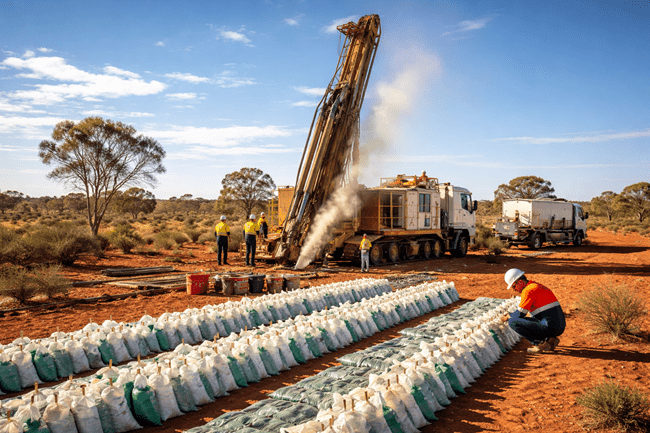


Hudbay Minerals Inc. (NYSE: HBM; TSX: HBM) has agreed to acquire Arizona Sonoran Copper Company Inc. (TSX: ASCU) in an all-stock transaction valued at approximately $1.5 billion, a move that will consolidate ownership of the emerging Cactus copper district in Arizona. The agreement will give Hudbay Minerals full control of the Arizona Sonoran Copper development pipeline and allow it to integrate the Cactus project with its nearby Copper World project. The transaction represents a significant step in Hudbay Minerals’ strategy to expand its long-term copper production in North America at a time when global demand for the metal is expected to accelerate. For investors and industry observers, the acquisition reflects a growing race among mining companies to secure scalable copper assets in politically stable jurisdictions.
Arizona Sonoran Copper shareholders will receive Hudbay Minerals shares under the agreed exchange ratio, giving them exposure to a larger diversified mining company with operating assets in Canada, Peru, and the United States. After completion, Hudbay Minerals shareholders are expected to retain the majority ownership of the combined company while Arizona Sonoran Copper investors become minority shareholders.
The acquisition is expected to create a unified copper district in southern Arizona that could become a key source of U.S. copper supply over the next decade.
Why is Hudbay Minerals moving to consolidate the Cactus copper project and nearby Copper World assets in Arizona?
Hudbay Minerals has spent the past several years repositioning itself as a copper focused producer rather than a diversified base metals company. The acquisition of Arizona Sonoran Copper is a continuation of that strategic shift and strengthens Hudbay Minerals’ development pipeline in one of the most mining friendly regions in the United States.
The centerpiece of the transaction is the Cactus copper project, a past producing mine located near Casa Grande in Arizona. The project contains substantial copper resources and is considered one of the most promising redevelopment opportunities in the U.S. copper sector.

By bringing Arizona Sonoran Copper fully under its ownership structure, Hudbay Minerals can align development plans for the Cactus project with its Copper World project, which lies within the same regional mining corridor.
This alignment matters because large mining developments require extensive infrastructure such as processing facilities, power supply, water management systems, and transport logistics. By integrating these projects into a single regional strategy, Hudbay Minerals could reduce capital expenditure duplication while accelerating production timelines.
The result could be the creation of a multi-deposit copper district rather than a single isolated mine.
How does the Arizona Sonoran Copper acquisition strengthen Hudbay Minerals’ long-term production outlook?
Copper producers increasingly face a structural challenge. Global demand for copper is expected to rise sharply due to electrification, renewable energy expansion, electric vehicle adoption, and the rapid growth of data centre infrastructure linked to artificial intelligence.
At the same time, new copper discoveries have become rarer and development timelines have grown longer due to environmental permitting and rising capital costs.
For Hudbay Minerals, securing development stage assets with significant resource potential is therefore a critical part of maintaining production growth.
The Cactus project could eventually produce significant volumes of copper cathode through solvent extraction and electrowinning processes. When combined with Copper World, Hudbay Minerals could establish one of the most important new copper production hubs in the United States.
The company already operates producing mines such as Constancia in Peru and Snow Lake in Canada. The Arizona projects would expand its North American presence and diversify its geographic production base.
If development proceeds as expected, the combined Arizona portfolio could materially increase Hudbay Minerals’ annual copper output during the next decade.
Why are mining companies racing to secure copper resources in North America and other stable jurisdictions?
Copper is widely regarded as one of the most strategically important industrial metals in the global economy. It is essential for electrical systems, renewable energy infrastructure, electric vehicles, transmission networks, and consumer electronics.
The energy transition alone is expected to drive substantial increases in copper consumption. Wind turbines, solar installations, and battery systems all require large volumes of copper wiring and components.
Meanwhile, the rapid expansion of artificial intelligence data centres and advanced computing infrastructure is also increasing demand for copper in power distribution systems.
Mining companies have therefore begun prioritising assets located in politically stable jurisdictions such as the United States, Canada, and Australia.
Projects in these regions may face rigorous environmental review processes, but they also benefit from stronger legal frameworks, access to infrastructure, and proximity to industrial markets.
The acquisition of Arizona Sonoran Copper reflects this broader shift in mining strategy. Companies are increasingly willing to acquire development stage assets rather than wait for new discoveries that could take decades to reach production.
What operational synergies could emerge from integrating the Cactus and Copper World projects?
One of the most important aspects of the transaction lies in the potential operational synergies between the Cactus project and the Copper World development.
Mining districts that host multiple deposits within close proximity can benefit from shared infrastructure and coordinated mine planning.
Hudbay Minerals could develop centralized processing facilities that treat ore from multiple deposits. Such an approach would reduce the need to build separate concentrators or hydrometallurgical plants for each project.
Infrastructure such as haul roads, power supply systems, tailings storage facilities, and water management systems could also be shared across the district.
This type of integrated mining district approach has been used successfully in several major global mining regions, allowing companies to lower operating costs while extending the productive life of their resource base.
For Hudbay Minerals, the Arizona district could evolve into a long life copper production centre capable of supporting multiple decades of mining activity.
How does the transaction structure reflect Hudbay Minerals’ capital discipline and financing strategy?
The acquisition has been structured as an all-stock transaction rather than a cash purchase. This approach reflects the capital intensive nature of large mining developments.
Copper projects require billions of dollars in capital investment across exploration, permitting, construction, and commissioning phases. Preserving cash on the balance sheet allows Hudbay Minerals to maintain financial flexibility as it advances its broader development pipeline.
The equity structure also aligns the interests of Arizona Sonoran Copper shareholders with the long term performance of the combined company.
Rather than exiting entirely, Arizona Sonoran Copper investors will retain exposure to the potential upside of the Arizona copper district through their ownership stake in Hudbay Minerals.
For Hudbay Minerals, the deal increases its development pipeline while limiting immediate pressure on cash reserves.
What regulatory and execution risks could influence the success of Hudbay Minerals’ Arizona expansion strategy?
Although the strategic rationale for the acquisition appears strong, several execution risks remain.
Mining projects in the United States must undergo extensive environmental review processes that evaluate water use, land impact, and community considerations. While Arizona has historically supported mining development, permitting timelines can still extend for several years.
Cost inflation represents another potential challenge. Construction materials, mining equipment, and skilled labour costs have risen significantly across the global mining industry.
Hudbay Minerals will need to manage capital expenditure carefully to ensure that the Arizona projects remain economically viable even if copper prices fluctuate.
Commodity price volatility is an inherent risk for any mining company. Although long term copper demand projections remain strong, short term price cycles can influence investor sentiment and project financing conditions.
Finally, integrating multiple development projects into a single district strategy requires careful coordination of engineering plans, construction schedules, and infrastructure development.
Any delays in one project could affect the broader development timeline.
How could the Hudbay Minerals and Arizona Sonoran Copper combination influence the future of U.S. copper supply?
If successfully developed, the Arizona copper district could play a meaningful role in strengthening U.S. domestic copper production.
The United States currently imports a significant portion of its copper supply despite possessing substantial mineral resources.
Expanding domestic copper production has become increasingly important as governments focus on securing critical mineral supply chains for energy transition technologies.
Projects such as Copper World and Cactus could help reduce dependence on imported copper while supporting industrial growth across sectors including renewable energy, electrified transport, and advanced manufacturing.
For Hudbay Minerals, the acquisition of Arizona Sonoran Copper represents an opportunity to position itself as a key contributor to the future North American copper supply landscape.
What are the keytakeaways on what the Hudbay Minerals acquisition means for the copper sector and investors?
- Hudbay Minerals Inc. has agreed to acquire Arizona Sonoran Copper Company Inc. in an all-stock transaction valued at approximately $1.5 billion.
- The acquisition gives Hudbay Minerals full control of the Cactus copper project in Arizona and allows integration with the nearby Copper World project.
- The combined assets could form a major new copper district in southern Arizona capable of supporting long term production growth.
- Hudbay Minerals is strengthening its strategy of becoming a copper focused producer with increasing exposure to North American assets.
- Rising global demand for copper linked to electrification, artificial intelligence infrastructure, and renewable energy is driving mining sector consolidation.
- Integrated development of the Cactus and Copper World projects could reduce infrastructure costs and improve long term project economics.
- The all-stock structure allows Hudbay Minerals to preserve capital while expanding its development pipeline.
- Regulatory approvals, permitting timelines, and cost inflation remain key risks that could affect project development.
- Successful development of the Arizona district could strengthen domestic copper supply in the United States.
- The transaction signals intensifying competition among mining companies to secure scalable copper resources in stable jurisdictions.
Discover more from Business-News-Today.com
Subscribe to get the latest posts sent to your email.