





What does tachycardia mean and how does it affect your cardiovascular health?
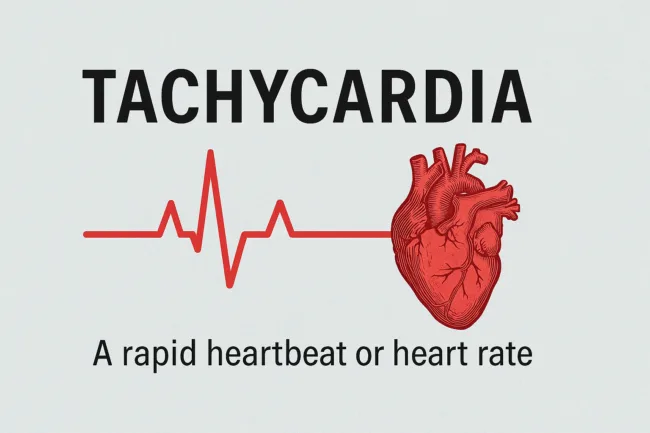
Tachycardia refers to a condition where the heart beats faster than it should at rest, generally exceeding 100 beats per minute in adults. While it may sound simple, this rapid heartbeat can signal a wide range of physiological responses or underlying health issues. Understanding what tachycardia means involves more than just looking at heart rate numbers—it requires examining how the heart’s rhythm interacts with the electrical system that governs each beat.
In a healthy adult, the heart maintains a regular rhythm that adjusts based on the body’s needs. For example, during exercise or moments of emotional intensity, the heart beats faster to circulate more oxygenated blood. This is a normal, adaptive response. But when the heart beats too fast without an apparent reason—or fails to return to a normal rhythm after exertion—tachycardia may be present. This condition can strain the heart, reduce the efficiency of blood circulation, and lead to symptoms like fatigue, dizziness, or chest discomfort. In serious cases, it can compromise organ perfusion or lead to heart failure, especially if left unmanaged.
What are the most common causes behind experiencing an abnormally fast heart rate?
A fast heartbeat can have multiple causes ranging from harmless to potentially dangerous. One of the most frequent types of benign tachycardia is sinus tachycardia, which arises from the heart’s natural pacemaker—the sinoatrial node—firing at a faster-than-normal pace. This typically occurs in response to physical exertion, emotional stress, fever, dehydration, or stimulant use such as caffeine or nicotine. In these instances, the rapid heartbeat resolves once the trigger is removed and usually doesn’t indicate heart disease.
On the other hand, more complex cases of tachycardia may arise from structural abnormalities or damage within the heart. For example, a history of heart attacks, heart failure, or congenital defects can disrupt the electrical circuits responsible for maintaining rhythm. Hormonal conditions like hyperthyroidism can also speed up the heart rate by overstimulating metabolic processes. In addition, certain medications—especially stimulants or those used to treat asthma or colds—can provoke tachycardia as a side effect. When the exact source of a rapid heartbeat is unclear, deeper investigation is needed to rule out hidden cardiac issues.
What are the different types of tachycardia and how are they classified by location and origin?
Tachycardia is classified into different types based on the origin of the abnormal electrical signals. The first and most commonly recognized is sinus tachycardia, which originates from the sinoatrial node. This type usually reflects the body’s physiological response to external or internal stimuli and is generally considered non-threatening unless it persists without cause.
A more abrupt and pronounced version is paroxysmal supraventricular tachycardia (PSVT), which begins and ends suddenly. PSVT episodes can cause the heart to beat two to three times faster than normal and often result in palpitations, dizziness, or a sense of fluttering in the chest. Though these episodes may be short-lived, frequent occurrences often require medical evaluation.
Ventricular tachycardia is a more serious form that arises from the heart’s lower chambers, or ventricles. This condition often results from previous heart damage, such as scar tissue from a heart attack, and can lead to reduced cardiac output or even cardiac arrest if not addressed promptly. Atrial fibrillation and atrial flutter—though distinct from regular tachycardia—also feature rapid heart rhythms and are included under the broader category of supraventricular arrhythmias due to their upper-chamber origins.
Each type of tachycardia has unique mechanisms and implications for health. Identifying the source is essential for choosing the right treatment and preventing complications such as stroke or heart failure.
What are the most noticeable symptoms people experience during an episode of tachycardia?
Symptoms of tachycardia can vary depending on the type, severity, and duration of the episode. In some cases, particularly during short or mild episodes, people may not feel any symptoms at all. However, when symptoms do occur, they tend to involve sensations directly related to the altered rhythm of the heart.
Most individuals report a feeling of fluttering, pounding, or racing in the chest. These palpitations can be unsettling and may be accompanied by dizziness, lightheadedness, or shortness of breath. As the heart struggles to keep up with oxygen demands, fatigue can also become a prominent symptom. In more serious cases, particularly when ventricular tachycardia is involved, fainting or near-fainting episodes (syncope) may occur due to reduced blood flow to the brain. Chest discomfort, ranging from mild tightness to severe pain, is another sign that requires urgent medical attention.
Recognizing these symptoms early is crucial. While some episodes resolve on their own, others may indicate a more serious problem that demands immediate treatment.
How do doctors diagnose tachycardia and determine what type of heart rhythm abnormality is present?
Diagnosis of tachycardia begins with a thorough clinical history and a physical examination. Physicians often start by asking patients when the episodes occur, how long they last, what symptoms are experienced, and whether any known triggers like stress or physical activity are involved. Based on this initial evaluation, further testing is typically ordered to assess the heart’s rhythm and structure.
The cornerstone of tachycardia diagnosis is the electrocardiogram (ECG), a test that records the electrical activity of the heart. An ECG can identify not only the presence of tachycardia but also its type and origin based on the wave patterns. If symptoms are intermittent, patients may be asked to wear a Holter monitor for 24 to 48 hours or an event recorder for longer durations to catch episodes as they occur in daily life.
Additional tests might include echocardiography, which uses ultrasound to evaluate the heart’s structure and pumping ability. Blood tests may be performed to identify contributing factors such as thyroid hormone levels or electrolyte imbalances. In complex cases, an electrophysiology study (EPS) may be needed. This involves inserting catheters into the heart to map the electrical pathways and locate the source of the arrhythmia, often as a precursor to interventional treatment.
What are the most effective treatment options for managing tachycardia and preventing recurrence?
Treatment strategies for tachycardia depend on its underlying cause, the frequency and severity of episodes, and whether or not symptoms are present. In cases where the condition is secondary to lifestyle factors such as stress, stimulant use, or dehydration, addressing these triggers may be enough to resolve the issue. Techniques like relaxation training, hydration, and limiting caffeine can often normalize heart rate in sinus tachycardia.
For more persistent or symptomatic cases, pharmacological therapy is usually the first line of defense. Beta blockers are commonly prescribed to slow the heart rate and reduce its workload. Calcium channel blockers can help regulate rhythm by affecting the electrical impulses that control heartbeat. In some patients, antiarrhythmic drugs may be needed to prevent recurrent episodes or maintain a regular rhythm.
In situations where medications are ineffective or not well tolerated, more advanced interventions may be required. Cardioversion, which uses an electrical shock to reset the heart’s rhythm, is sometimes employed during acute episodes. Catheter ablation offers a more permanent solution by targeting and destroying small areas of heart tissue responsible for the abnormal signals. This technique is especially effective in treating paroxysmal supraventricular tachycardia and other localized arrhythmias.
In severe cases, particularly those involving life-threatening ventricular tachycardia, implantable cardioverter-defibrillators (ICDs) may be necessary. These devices monitor the heart’s rhythm continuously and deliver corrective shocks if a dangerous arrhythmia is detected.
How can individuals reduce their risk of developing tachycardia in everyday life?
While not all forms of tachycardia are preventable—especially those due to structural heart disease or inherited conditions—many episodes can be avoided through proactive lifestyle choices. The foundation of prevention lies in managing cardiovascular risk factors and maintaining a healthy lifestyle. This includes eating a balanced diet low in processed sugars and saturated fats, exercising regularly, and maintaining a healthy weight.
Stress management is also key. High levels of emotional or psychological stress can contribute to episodes of sinus or supraventricular tachycardia. Techniques such as yoga, meditation, and deep breathing can help calm the nervous system and regulate heart rhythm. Avoiding stimulants like excessive caffeine, energy drinks, and nicotine can also play a significant role in preventing episodes.
Routine medical checkups are essential for early detection of heart disease, thyroid issues, or electrolyte imbalances that might predispose an individual to arrhythmias. For those already diagnosed with tachycardia, adherence to prescribed medication regimens and ongoing communication with healthcare providers is vital.
What is the long-term outlook for people living with recurring or chronic tachycardia?
The long-term outlook for people with tachycardia largely depends on the specific type and underlying cause. For instance, sinus tachycardia resulting from temporary stress or physical activity typically resolves on its own and poses no significant health risk. In contrast, chronic forms such as atrial fibrillation or ventricular tachycardia can carry more serious implications if not properly managed.
With modern diagnostic tools and treatment options, many patients can control their symptoms and reduce the risk of complications. Medication, ablation therapy, and implanted devices offer effective ways to prevent dangerous episodes and improve quality of life. However, without intervention, some forms of tachycardia can lead to complications such as heart failure, stroke, or sudden cardiac arrest.
Ultimately, the key to favorable outcomes lies in timely diagnosis, proper treatment, and ongoing monitoring. Most people with tachycardia—when properly treated—can lead full, active lives with few limitations.
Why does knowing about tachycardia matter in today’s world of preventive heart care?
In an age where wearable fitness trackers and heart rate monitors are becoming part of daily life, understanding what tachycardia means is more relevant than ever. A sudden spike in heart rate may seem alarming on your smartwatch, but knowing when it’s normal and when to be concerned can make all the difference. For medical students, health-conscious individuals, and anyone looking to take control of their well-being, the ability to recognize and respond to abnormal heart rhythms empowers proactive health decisions.
Tachycardia serves as a window into the broader electrical system of the heart—an early warning sign that something may be amiss. As cardiovascular disease continues to be a leading cause of death globally, awareness and education about heart rhythm disorders like tachycardia are essential tools for prevention and early intervention in modern medicine.
Discover more from Business-News-Today.com
Subscribe to get the latest posts sent to your email.