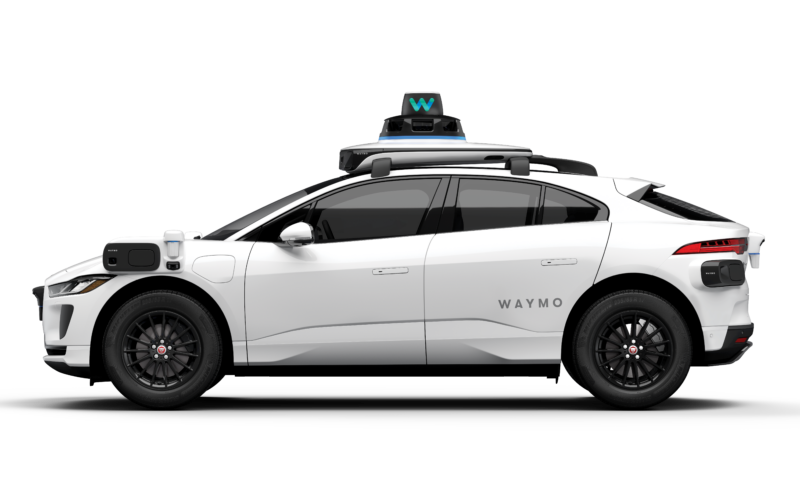
Alphabet Inc. (NASDAQ: GOOGL) subsidiary Waymo LLC plans to launch an all-electric autonomous ride-hailing service in Singapore in 2028, marking its first entry into Southeast Asia. Reuters reported that an initial fleet of Jaguar I-PACE vehicles will arrive in the coming months. Trained autonomous specialists are expected to begin manual driving in 2027 so the Waymo Driver can learn local road geometry and monsoon weather conditions before a public launch.
Waymo is working with Singapore’s Ministry of Transport and Land Transport Authority on the deployment. Transport Minister Jeffrey Siow said the government welcomed Waymo’s technology and operating experience as Singapore develops new transport options. The timetable gives regulators and the company more than a year to validate safety, localisation and fleet operations before passengers can hail driverless vehicles.
The Singapore announcement follows Waymo’s plan to begin a fully autonomous commercial taxi service in Tokyo in 2027 with Nihon Kotsu and the GO platform. Together, the two projects show that Waymo’s international strategy is moving beyond mapping exercises towards scheduled commercial launches. Singapore will test whether the company can transplant its US operating model into a compact city with left-hand traffic, frequent heavy rain and exacting public-transport standards.
How will Waymo prepare its driverless system for Singapore’s roads?
The initial manual-driving phase allows Waymo to collect high-resolution information about lane layouts, curb behaviour, construction patterns, traffic signals and local driving conventions. Human specialists can expose the system to unusual junctions and weather while preserving direct control. That process helps engineers compare Singapore conditions with the situations already represented in Waymo’s simulation and real-world training data.
Monsoon rain is a particularly important localisation test because heavy precipitation can reduce visibility and affect cameras, lidar returns, road markings and the behaviour of surrounding drivers. Singapore’s dense road network also combines buses, motorcycles, taxis, delivery vehicles and pedestrians in constrained spaces. Safe commercial deployment will require the autonomous system to handle those interactions consistently, not merely complete selected demonstration routes.
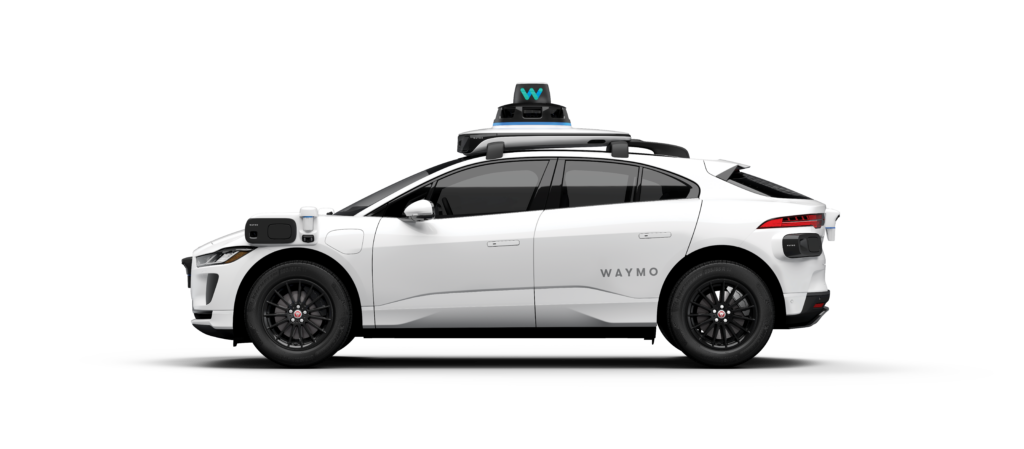
The service is expected to use all-electric Jaguar I-PACE vehicles at the outset, giving Waymo a known platform while it concentrates on software and operations. The company has not disclosed the initial fleet size, service area, fare model or launch partners for passenger distribution. Those omissions are material because a small geofenced pilot and a city-scale ride-hailing service carry very different revenue and capital implications.
A successful technical demonstration is only one part of commercial readiness. Waymo must also localise fleet maintenance, remote assistance, roadside recovery, high-voltage charging and passenger support while keeping vehicles available for paid trips. Those operating layers will influence both customer trust and cost per ride, and Singapore’s compact geography will make gaps in service coverage or depot planning especially visible.
Why is Singapore strategically valuable to Waymo and Alphabet?
Singapore offers a high-density market, predictable regulation and strong transport institutions in a relatively small geography. That combination can reduce some deployment complexity while creating a demanding safety benchmark for expansion elsewhere in Asia. A successful launch would give Waymo a reference market that governments can evaluate when deciding whether to permit commercial driverless services.
The project also broadens Waymo’s international learning set soon after Tokyo. Japan tests narrow streets, local taxi integration and an ageing workforce, while Singapore tests tropical weather, Southeast Asian traffic patterns and coordination with a highly integrated public-transport system. Performance in both markets could influence whether Waymo pursues direct operations, local partnerships or technology licensing in future cities.
Singapore’s transport density may create attractive utilisation while limiting the addressable geography of an initial service. Robotaxi economics improve when vehicles spend more time carrying passengers and less time travelling empty, but pickup rules, charging capacity and geofenced operating limits can reduce that advantage. Disclosure of depots, charging arrangements and service boundaries will therefore be an early indicator of whether the launch is designed as a commercial network or a tightly controlled validation programme.
Waymo’s valuation makes that expansion relevant to Alphabet shareholders even though the unit does not yet disclose stand-alone public earnings. Reuters reported in February that a $16 billion financing valued Waymo at $126 billion, nearly three times its 2024 valuation. The company delivered about 15 million rides in 2025 and had reached roughly 400,000 weekly rides across six major US metropolitan areas, creating a larger operating base from which to attempt overseas scale.
What regulatory and competitive hurdles could delay the 2028 launch?
Waymo still needs permission to carry passengers without a human driver. The Verge reported that vehicles must pass safety assessments at Singapore’s Centre of Excellence for Testing and Research of Autonomous Vehicles before public service. Regulators can also impose geographic, fleet-size, reporting and incident-response conditions that affect commercial economics.
Approval will depend on evidence across ordinary trips and rare edge cases rather than a single headline mileage total. Regulators can examine how the system handles degraded sensors, unexpected roadworks, emergency intervention and communications failures, as well as how quickly the operator responds. Waymo’s willingness to provide clear local safety data may influence both the launch timetable and the public legitimacy of any permit.
Competition is developing quickly. Amazon.com Inc. subsidiary Zoox and Tesla Inc. are pursuing robotaxi services, while Chinese autonomous-driving groups and local mobility platforms are active across Asia. Singapore already has experience with autonomous shuttles and trials, so Waymo will enter a market where officials can compare multiple technology and operating approaches rather than evaluate autonomy in isolation.
Public acceptance will be another gate. The company must demonstrate reliable behaviour in rain, clear handling of emergency vehicles and safe interactions with vulnerable road users. Any material incident in the United States, Tokyo or Singapore before launch could affect the pace and conditions of regulatory approval even if the local test programme is progressing.
Integration with the existing transport system will also matter. Singapore can use licensing conditions and data reporting to ensure robotaxis complement rail, buses and conventional taxis rather than add inefficient empty mileage. Waymo must show that its fleet can provide useful coverage while meeting local expectations on accessibility, incident reporting, cybersecurity and passenger support.
How is the market valuing Waymo’s expansion inside Alphabet?
Alphabet shares closed at $349.54 on 18 September, up about 0.5% in the session, giving the parent a market value above $4.2 trillion. The Singapore announcement did not produce a distinct revaluation because Alphabet’s advertising, cloud and AI businesses dominate near-term earnings. Waymo’s strategic value is therefore embedded as a long-duration option whose worth depends on safety, utilisation and unit economics.
The 2028 launch date creates a sequence of measurable milestones. Investors can track vehicle arrivals, the 2027 manual-driving programme, regulatory testing, service-area disclosure and the transition to passenger operations. Evidence that Tokyo and Singapore can launch on schedule would make Waymo’s $126 billion private valuation easier to support with operating proof rather than financing enthusiasm alone.
The crucial economic questions remain unanswered: how much each vehicle costs to deploy, how many paid hours it operates, what remote-support infrastructure is required and how fares compare with human-driven alternatives. Singapore can provide valuable evidence because its compact geography may support high utilisation, while its regulatory standards expose the true cost of safe operation. That makes the city more than a new pin on a map; it is a test of whether Waymo’s technology can become a repeatable international service.
At roughly 400,000 weekly rides, Waymo’s disclosed US activity would exceed 20 million trips on an annualised basis if that pace were maintained. Trip volume alone cannot justify the private valuation because investors still lack stand-alone revenue, contribution-margin and capital-intensity data. International growth becomes more persuasive when each new city demonstrates improving deployment speed and vehicle economics, not simply a larger geographic footprint.
Discover more from Business-News-Today.com
Subscribe to get the latest posts sent to your email.