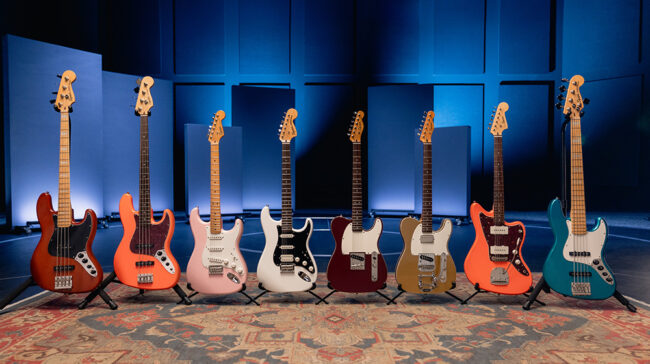
Walmart Inc. (NYSE: WMT) has launched a dedicated Premium Musical Instrument Shop on its Walmart Marketplace platform, marking a strategic move into higher-margin specialty retail. The curated storefront features globally recognized brands such as Fender, Roland, Boss, and Zildjian, and is positioned to serve creators, hobbyists, and professionals with both new and resold gear. The announcement coincided with Walmart’s presence at the 2026 NAMM Show, further aligning the launch with its ambitions in the creative retail vertical.
This move expands Walmart Marketplace’s platform model into categories typically dominated by specialty retailers and direct-to-consumer brands. Unlike mass-market consumer electronics or apparel, musical instruments demand a more segmented merchandising approach, often requiring reputation, resale trust, and community endorsement. Walmart is betting its fulfillment infrastructure, Marketplace seller ecosystem, and digital scale can overcome these barriers.

The new instrument category comes on the back of Walmart’s strong eCommerce momentum. In its most recent quarter, the company reported $179.5 billion in total revenue, up 5.8 percent year-over-year, with U.S. eCommerce sales jumping 28 percent. Marketplace-led growth was a central contributor, alongside store-based fulfillment. Walmart Marketplace has also logged 14 straight quarters of double-digit seller growth, creating new leverage points for niche verticals that traditionally require brick-and-mortar trial.
Why is Walmart entering the premium music instrument market through Marketplace now?
Walmart’s entry into professional-grade music gear aligns with a broader strategy to unlock higher-margin verticals within its Marketplace ecosystem. The traditional Walmart shopper may not immediately associate the retailer with high-end instruments, but Marketplace offers a workaround. Instead of investing in in-house inventory or retail displays, Walmart can rely on third-party sellers and manufacturers to populate the storefront while offering fulfillment, payments, and return infrastructure.
Music retail is also undergoing a transformation. The post-pandemic shift to at-home music production, the rise of creator tools, and the surge in amateur musicianship have all expanded the total addressable market. According to the National Association of Music Merchants, the global musical instrument market is projected to surpass $25 billion by 2027, driven by growth in digital composition tools, hybrid acoustic-electronic setups, and the proliferation of user-generated content platforms like TikTok and YouTube Shorts.
This trend is not lost on Walmart. By launching the Premium Musical Instrument Shop at NAMM 2026, the company is positioning itself within the industry’s most influential retail event. This lends credibility to the platform and signals its intent to become more than a casual player. It also puts Walmart in front of independent sellers, boutique brands, and distributors who may be looking for a lower-friction alternative to Amazon’s increasingly saturated and ad-heavy marketplace environment.
What are the risks of verticalization through premium and enthusiast product categories?
Walmart’s retail DNA is rooted in value, scale, and logistics—not specialist categories that require deep customer support or brand trust. Musical instruments often require a hands-on buying experience, or at the very least, peer-reviewed credibility within niche communities. Brands like Fender and Roland already operate strong D2C channels and maintain long-standing relationships with legacy retailers like Guitar Center, Sam Ash, and Sweetwater.
In this context, Walmart Marketplace faces a complex dual challenge: attracting experienced sellers who can offer competitive pricing and service, while convincing discerning customers that Walmart is a legitimate platform for high-end musical gear. Execution risk also lies in seller quality control, warranty standards, return logistics for fragile equipment, and customer service expectations that go beyond Walmart’s core competencies.
Still, Walmart may not need to win over professionals to succeed. Much of the music retail market growth is happening at the beginner and intermediate levels—among school students, hobbyists, and semi-pros. The Premium Musical Instrument Shop clearly signals that it caters to this full spectrum, offering guitars, amps, pedals, gig bags, and accessories that suit all budgets and skill levels. This blend allows Walmart to layer its traditional value appeal with the sheen of premium brands.
How does this fit into Walmart’s broader eCommerce and retail platform ambitions?
Walmart Marketplace has become a foundational pillar of the company’s digital growth strategy. With over 500 million items now available on Walmart.com, the platform has evolved far beyond general merchandise. Categories like refurbished electronics, sustainable goods, and now premium musical instruments allow Walmart to expand without diluting its core retail identity.
Crucially, Walmart does not need to carry inventory to participate in these markets. Its third-party seller infrastructure handles much of the merchandising and logistics burden, while Walmart benefits from platform fees, fulfillment revenue, and increased customer retention. By building category-specific storefronts, Walmart can mimic the experience of specialist retailers without the overhead.
This platform model is being tested across sectors. In 2025 alone, Walmart launched new verticals for used smartphones, outdoor gear, and pet health. The addition of professional music equipment continues this momentum. It also allows Walmart to deepen its value proposition to creators, a demographic that increasingly intersects with Walmart’s broader consumer base through digital content, affiliate commerce, and creator-led product recommendations.
Who are the likely competitors and what does this mean for them?
The most immediate competitive pressure falls on legacy specialty chains like Guitar Center and Sam Ash, many of which have struggled to modernize their online presence. While Walmart is unlikely to replace these stores overnight, it could chip away at their entry-level and mid-market sales by offering faster shipping, easier returns, and bundled shopping convenience.
Amazon remains the platform benchmark, especially for third-party sellers. However, some brands prefer avoiding Amazon’s aggressive ad-based ranking system and opaque brand control policies. Walmart’s approach may appeal to these vendors, especially if it combines brand protection tools, fulfillment consistency, and visibility at events like NAMM.
Sweetwater and Thomann, two powerhouses in premium online music retail, will also be watching closely. Both platforms have deep category expertise, curated content, and customer service teams comprised of musicians. Walmart will need to compete without these differentiators—unless it chooses to partner with or acquire specialists in the space.
Is this a signal of long-term retail transformation or a category experiment?
Whether the Premium Musical Instrument Shop becomes a permanent fixture or a testbed for vertical expansion will depend on adoption rates across sellers and buyers. However, the NAMM tie-in and the use of top-tier brands suggest this is more than a casual trial. If Walmart succeeds, it could replicate this model across other enthusiast categories such as photography gear, gaming peripherals, and DIY maker tools.
More broadly, Walmart is signaling that its Marketplace is not just a discount engine—it is a platform where professional-grade products, premium brands, and passionate user communities can coexist with mass-market retail. This hybrid model may eventually prove to be Walmart’s most scalable defense against Amazon and direct-to-consumer fragmentation.
What does Walmart’s stock performance suggest about investor sentiment?
As of January 2026, Walmart stock has remained stable despite broader market volatility. The company’s Marketplace-driven eCommerce growth, especially the 28 percent U.S. online sales increase, continues to support bullish institutional sentiment. Analysts have noted that Walmart’s ability to grow digital GMV without excessive capital expenditure strengthens its position in both the value and scale segments of U.S. retail.
That said, investors may treat vertical category expansions with cautious optimism. Success will hinge on margin contribution, customer retention lift, and whether these new verticals contribute to long-term Marketplace flywheel effects rather than short-term SKU inflation.
What this means for Walmart and the future of specialist retail on platform models
- Walmart Inc. launched the Premium Musical Instrument Shop through its Marketplace, signaling an expansion into enthusiast and semi-professional product verticals.
- The launch features top global brands like Fender, Roland, Boss, and Zildjian, offering both new and resold gear across customer tiers.
- This move aligns with broader Marketplace verticalization efforts across used electronics, refurbished tech, and pet health.
- Walmart leverages its third-party seller model to avoid inventory risk while testing specialist retail segments.
- The move coincides with Walmart’s presence at the 2026 NAMM Show, indicating long-term intent to court music creators and prosumer segments.
- Competitive pressure could intensify for Guitar Center, Sam Ash, and Amazon’s music category, especially in beginner and intermediate segments.
- The launch provides sellers with access to Walmart’s 270 million weekly customers and strong fulfillment infrastructure.
- Investor sentiment remains supportive, anchored by consistent eCommerce growth and stable earnings trajectory.
- If successful, the Premium Musical Instrument Shop could serve as a blueprint for vertical expansion into other creator-driven categories.
- The strategic question remains whether Walmart can blend brand trust, customer experience, and operational scale in categories traditionally served by specialists.
Discover more from Business-News-Today.com
Subscribe to get the latest posts sent to your email.