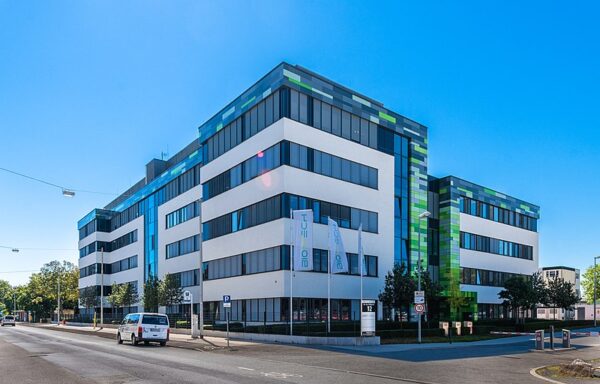


Indian pharmaceutical manufacturer Alkem Laboratories Limited has disclosed that the United States Food and Drug Administration (US FDA) has issued a Form 483 containing a couple of observations related to the company’s manufacturing facility in St. Louis, Missouri. The regulator’s inspection, which took place from September 6 to September 14, 2022, formed part of a pre-approval process for one of the company’s products intended for the U.S. market.
The Mumbai-headquartered drugmaker confirmed that none of the cited points relate to data integrity issues, a category of non-compliance that is often viewed with heightened concern by regulators and investors. Alkem Laboratories emphasized that the inspection was part of its routine business operations and that it will address the regulator’s observations within the stipulated timelines.
What does a US FDA Form 483 mean for pharmaceutical manufacturers seeking product approval?
A Form 483 is an official document issued by the US FDA to a company following an inspection when the regulator observes conditions that may constitute violations of the Food Drug and Cosmetic Act (FD&C Act) or related regulations. These observations are not final determinations of non-compliance but are intended to alert company management so that corrective actions can be taken.
In the context of pharmaceutical manufacturing, Form 483 observations can range from procedural inconsistencies in Good Manufacturing Practices (GMP) to deficiencies in documentation, equipment maintenance, or quality control processes. While some observations are resolved quickly, more serious or repeated findings can delay regulatory approvals, trigger follow-up inspections, or, in rare cases, result in warning letters.
In Alkem Laboratories’ case, the company stated that the observations were limited to two specific points and that they did not involve data integrity matters, suggesting that the issues may be more procedural than systemic. Data integrity lapses often have greater implications because they can undermine the reliability of manufacturing and quality records, making regulators question the validity of product quality assurance.
How significant is the St. Louis facility within Alkem Laboratories’ US operations?
The St. Louis manufacturing plant represents an important part of Alkem Laboratories’ U.S. presence, supporting the company’s strategy of supplying both generic and branded pharmaceutical products to one of the most regulated and competitive drug markets in the world.
While Alkem Laboratories operates multiple facilities in India that serve the U.S. market, its investment in U.S.-based manufacturing infrastructure signals a long-term commitment to deepening market penetration and maintaining supply chain proximity to key customers. Domestic U.S. manufacturing can help a company address regulatory expectations for quality control, reduce logistics lead times, and potentially improve competitiveness in high-volume or specialized product categories.
The pre-approval inspection at the St. Louis facility indicates that the plant is being positioned to produce a drug product for the U.S. market, potentially contributing to Alkem Laboratories’ revenue growth from its North American business segment in the coming years.
Why pre-approval inspections matter for companies targeting the US pharmaceutical market
For any pharmaceutical product intended for the U.S. market, the US FDA often conducts a pre-approval inspection (PAI) before granting final marketing authorization. The purpose is to verify that the manufacturing site is capable of producing the drug to the quality standards outlined in the company’s New Drug Application (NDA) or Abbreviated New Drug Application (ANDA).
A PAI covers multiple aspects, including adherence to current Good Manufacturing Practices (cGMP), adequacy of quality systems, and validation of manufacturing processes. Observations recorded during a PAI do not automatically derail approval, but they may require a company to submit corrective and preventive action (CAPA) plans before the regulator will sign off on the product.
Alkem Laboratories confirmed in its exchange filing that it will submit a detailed response to the US FDA within the required timeline. The tone of the company’s statement suggests that management views the findings as resolvable within normal regulatory procedures.
How could Form 483 observations influence Alkem Laboratories’ regulatory timeline and investor sentiment?
While the specifics of the observations at the St. Louis facility have not been publicly disclosed, the fact that they are limited in number and do not involve data integrity may help reassure stakeholders. In the pharmaceutical sector, data integrity-related 483s or a large number of critical observations often signal deeper operational challenges that can delay product launches and weigh on investor confidence.
Institutional sentiment toward Alkem Laboratories in recent years has generally been influenced by its ability to maintain regulatory compliance across multiple facilities inspected by global authorities, including the US FDA, the UK Medicines and Healthcare products Regulatory Agency (MHRA), and the European Medicines Agency (EMA). Any regulatory finding is closely watched because it can affect both product approvals and the company’s reputation for quality.
For investors and analysts, the next steps will involve monitoring the US FDA’s follow-up process and the speed with which Alkem Laboratories can close out the observations. The pharmaceutical industry’s experience shows that prompt, thorough responses and effective remediation can result in a smooth approval process, while delays or inadequate actions can lead to more stringent regulatory scrutiny.
What is Alkem Laboratories’ current position in the global generics market?
Founded in 1973, Alkem Laboratories Limited has evolved from an India-focused formulations business into a diversified pharmaceutical manufacturer with a growing international footprint. The company’s portfolio spans generics, branded formulations, and active pharmaceutical ingredients (APIs) across therapeutic areas such as anti-infectives, gastrointestinal, pain management, and central nervous system (CNS) disorders.
In the U.S., Alkem Laboratories operates through its subsidiary Ascend Laboratories LLC, which markets a range of generic oral solids, liquids, and injectables. The company’s strategy for the North American market combines in-house manufacturing capabilities with third-party partnerships to balance cost efficiency and capacity flexibility. Regulatory approvals from the US FDA are central to this strategy, given the market’s size and profitability.
By maintaining a strong compliance track record, the Indian pharma firm aims to secure a steady pipeline of product launches in the U.S., which remains one of its key growth drivers. The St. Louis facility inspection and subsequent Form 483 response process are therefore important milestones in sustaining this momentum.
How do pharmaceutical companies typically address Form 483 observations from the US FDA?
When a Form 483 is issued, company management is expected to respond in writing to the US FDA within 15 business days, detailing corrective actions, timelines, and preventive measures. The regulator then evaluates the adequacy of the response before determining whether further action is required.
Best practice in the industry involves initiating immediate corrective steps for straightforward issues, while simultaneously conducting root-cause analyses for more complex or systemic observations. Transparency, thorough documentation, and evidence of implementation are critical to satisfying regulatory expectations.
Alkem Laboratories’ statement confirms that it will submit a detailed response within the stipulated timeline, which aligns with industry norms. The absence of data integrity concerns may allow the company to focus on operational adjustments rather than more intensive compliance overhauls.
What the Form 483 means for Alkem Laboratories’ US market ambitions
The issuance of a Form 483 to Alkem Laboratories’ St. Louis plant underscores the highly regulated nature of the U.S. pharmaceutical manufacturing environment, where even well-established companies must demonstrate rigorous compliance during routine and pre-approval inspections.
With only two observations and no data integrity findings, the company appears to be in a position to address the regulator’s concerns without major disruption to its U.S. strategy. The outcome of its response process will likely determine the pace at which the inspected product gains approval, shaping near-term revenue prospects from the North American market.
As Alkem Laboratories continues to expand its global manufacturing footprint, maintaining a strong compliance culture remains essential to sustaining its competitive position and unlocking growth opportunities in regulated markets.
Discover more from Business-News-Today.com
Subscribe to get the latest posts sent to your email.