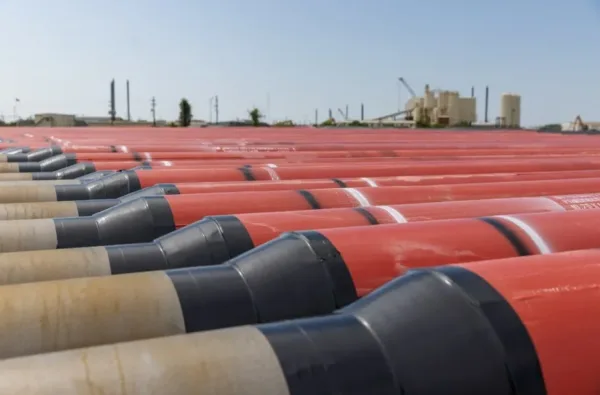


The Trump administration is facing a high-stakes legal challenge over its controversial decision to fast-track the restart of the Santa Ynez Unit pipeline system operated by Sable Offshore Corporation. Conservation groups have filed a federal lawsuit in the Ninth Circuit Court of Appeals against the United States Department of Transportation and its Pipeline and Hazardous Materials Safety Administration, arguing that the agency unlawfully granted Sable an emergency permit to revive a pipeline network that has been shut down for a decade following the 2015 Refugio oil spill.
The petitioners contend that the approval bypassed legally mandated environmental reviews, public participation, and safety procedures. They also allege that the move was politically motivated, citing the Trump administration’s reclassification of the Las Flores Pipeline System as “interstate” to move oversight from California’s State Fire Marshal to PHMSA. The case could set a critical precedent for how federal emergency powers are used in energy infrastructure regulation, particularly in environmentally sensitive states like California.
Why PHMSA’s fast-track pipeline restart decision is now under legal scrutiny
At the center of the legal battle is PHMSA’s December 22, 2025 order approving Sable Offshore Corporation’s restart plan for pipeline segments CA-324 and CA-325. These segments form the core of the 124-mile Las Flores Pipeline System, which transports crude oil from offshore platforms in the Santa Barbara Channel to facilities in Kern County. The system was previously known as Plains Line 901 and Line 903, which were taken offline following the catastrophic Refugio oil spill that released over 450,000 gallons of crude oil onto California’s coastline.
Two days after approving the restart plan, PHMSA issued an emergency special permit waiving compliance with key federal pipeline safety regulations. Specifically, the agency suspended enforcement of corrosion-related inspection and remediation deadlines, citing urgent national energy needs. Sable’s waiver request had pointed to President Donald Trump’s Executive Order 14156, which declared a national energy emergency in January 2025 and directed agencies to expedite domestic energy production and transportation. The executive order framed the nation’s energy infrastructure as facing an extraordinary threat due to insufficient supply, refining, and pipeline capacity.
Environmental groups argue that this justification is legally and factually inadequate. The petition, led by the Center for Biological Diversity and the Environmental Defense Center, claims that PHMSA’s actions violated the Pipeline Safety Act, the Administrative Procedure Act, and the National Environmental Policy Act by failing to conduct any formal environmental assessment or open a public comment period.
How the reclassification of the Las Flores Pipeline shifted regulatory control from California to the federal level
A major flashpoint in the legal case is PHMSA’s reclassification of the Las Flores pipelines as interstate infrastructure. On December 17, 2025, just five days before granting the emergency permit, PHMSA formally concurred with Sable Offshore Corporation’s designation that the pipelines are part of the interstate oil transportation network. This move removed regulatory authority from the California State Fire Marshal, which had previously issued its own safety waivers and maintained stricter oversight standards.
Sable had previously obtained two state-level waivers from the California Office of the State Fire Marshal in December 2024. These waivers allowed Sable to delay corrosion remediation on certain pipeline segments. However, the reclassification rendered those state waivers moot, prompting the company to seek an equivalent federal exemption. PHMSA issued the special permit under 49 CFR Section 195.452, waiving the requirement to remediate seam weld corrosion within 180 days of discovery.
Critics argue that the reclassification was a strategic maneuver to sidestep California’s more stringent environmental and safety requirements. The federal permit now allows Sable to operate the pipelines under a federally enforced monitoring program that includes inspection protocols and pressure testing, but without a full environmental impact analysis.
What the emergency permit allows Sable Offshore to do—and what risks it poses
The emergency permit authorizes Sable Offshore Corporation to operate 124.42 miles of hazardous liquid pipelines in Santa Barbara, San Luis Obispo, and Kern counties without full compliance with existing federal corrosion regulations. PHMSA granted the waiver after reviewing documents submitted by Sable and conducting a field inspection. The approval is valid through February 21, 2026 and covers both restart procedures and operational conditions.
Under the permit, Sable must adhere to strict maximum operating pressures and temperature thresholds. The pipelines are restricted to transporting crude oil only, and pressure must not exceed 1,292 psi in the longest segment, CA-325B. Additionally, the company is required to implement ultrasonic inspection tools, ultrasonic crack detection technologies, and recurring in-line inspections using advanced cleaning and diagnostic pigs. Temperature sensors must also be installed to ensure compliance with thermal safety limits.
However, these technical conditions do not address the core concern of corrosion that led to the 2015 spill. According to the emergency permit, the existing insulation and tape wrap on the pipelines can inhibit cathodic protection and increase the risk of hidden corrosion. Sable was allowed to resume operations without remediating seam weld corrosion within 180 days, instead proposing an alternative management plan originally approved by California regulators but now absorbed under federal jurisdiction.
How environmental and community groups are escalating their legal opposition
The federal petition for review was filed by a coalition of seven environmental organizations: the Center for Biological Diversity, Environmental Defense Center, Wishtoyo Foundation, Get Oil Out!, Sierra Club, Santa Barbara Channelkeeper, and Santa Barbara County Action Network. The filing seeks an emergency stay on PHMSA’s decision and challenges both the permit and the process by which it was granted.
The petitioners assert that the permit was granted without the legally required findings that it served the public interest, that it did not conflict with pipeline safety, and that it was truly necessary to address an emergency. They also criticize the use of executive declarations to override statutory safeguards, warning that it could create a dangerous precedent for future energy projects.
The lawsuit adds to a series of parallel legal challenges facing Sable Offshore Corporation. The company is already battling lawsuits over its application to transfer ExxonMobil’s legacy infrastructure permits in Santa Barbara County, which was denied earlier in 2025. The denial cited systemic non-compliance and outstanding violations. Sable has also drawn scrutiny for restarting offshore oil production and storing crude in onshore tanks without full pipeline connectivity, raising new safety and permitting concerns.
Why this pipeline conflict could reshape how federal emergency powers are used in energy infrastructure
The outcome of this lawsuit could significantly influence how energy emergencies are interpreted under U.S. law. If PHMSA’s decision is upheld, federal agencies may be able to bypass environmental and procedural protections in the name of energy security. This could make it easier to fast-track oil pipelines, LNG terminals, and other fossil fuel infrastructure projects, especially in states with historically stringent environmental standards like California.
Conversely, if the Ninth Circuit rules in favor of the petitioners, it could limit the scope of executive emergency powers in energy matters and reaffirm the role of public process and environmental review. The case underscores rising tensions between federal energy development policies and state-level environmental governance, particularly when long-idled infrastructure is brought back online under the banner of crisis response.
For the oil and gas industry, the decision could affect capital allocation and restart economics for similar legacy pipeline systems. For regulators, it will likely shape how federal-state jurisdiction is interpreted in the post-Refugio era. And for communities along the Central California coast, the stakes remain personal. The specter of another Refugio-scale spill looms large, and the legal showdown now unfolding may determine who ultimately holds the line on safety and accountability.
Key takeaways on Sable Offshore’s pipeline restart and the legal backlash facing PHMSA and Trump’s emergency order
- The PHMSA-approved restart of Sable Offshore Corporation’s Santa Ynez Unit pipelines has triggered a sweeping federal lawsuit accusing the Trump administration of unlawfully fast-tracking a controversial oil project in California.
- The reclassification of the Las Flores Pipeline as “interstate” shifted control from state to federal regulators, weakening oversight from the California State Fire Marshal.
- The emergency special permit waives a key corrosion remediation rule, allowing Sable to operate segments of its pipeline system despite corrosion concerns tied to the 2015 spill.
- Petitioners argue that PHMSA bypassed mandatory public review, NEPA requirements, and failed to demonstrate a genuine emergency under federal law.
- The lawsuit challenges the use of President Trump’s Executive Order 14156 to justify energy emergency permits and could redefine the balance of power between federal agencies and state environmental regulators.
- Sable Offshore still faces unresolved state-level obstacles, including denied permits and active litigation from both county and state agencies.
- The Ninth Circuit’s decision could set a precedent on whether future fossil fuel infrastructure can be reactivated using emergency declarations to override environmental safeguards.
- The case signals growing pushback against politically framed energy emergency tactics and may influence regulatory strategies beyond California’s coast.
Discover more from Business-News-Today.com
Subscribe to get the latest posts sent to your email.