



How to control bleeding from cuts and wounds: From first aid steps to traditional remedies

Learn how to stop bleeding from cuts, wounds, and nosebleeds with proven first aid techniques and safe traditional remedies explained in detail.
How to control bleeding from cuts and wounds: From first aid steps to traditional remedies Bleeding from cuts and wounds is one of the most common injuries seen in daily life, ranging from minor paper cuts to deeper lacerations caused by accidents. While most small cuts stop bleeding on their own, some require quick intervention to prevent excessive blood loss and reduce the risk of infection. Understanding how to stop bleeding effectively — and when to seek medical attention — is an essential skill for everyone, whether at home, at work, or outdoors. In addition to well-established first aid techniques, many cultures have relied on traditional remedies such as turmeric (haldi), henna (mehendi), coffee powder, and rose water to manage bleeding. While these natural approaches are not substitutes for professional medical care, they hold historical significance and, in some cases, may offer complementary benefits when used responsibly. What are the most effective first aid steps to stop bleeding from minor cuts and wounds? The first priority in any bleeding injury is to apply direct pressure to the wound. This helps blood platelets and clotting factors work together to seal the injured vessel. Using a clean cloth, sterile gauze, or even the edge of clean clothing, pressure should be maintained continuously for several minutes without repeatedly checking to see if the bleeding has stopped, as this can disrupt clot formation. If available, elevating the injured limb above the level of the heart can reduce blood flow to the area, further helping to slow bleeding. Gentle cleaning of the wound with clean water after bleeding is under control can help remove debris and reduce infection risk. Antiseptic solutions or ointments may then be applied before covering the wound with a sterile dressing. For minor wounds, these steps are often sufficient. However, if bleeding persists despite several minutes of firm pressure, or if the wound is deep, gaping, or caused by a dirty object, prompt medical attention is essential. How can turmeric, henna, and coffee powder help in controlling bleeding from small injuries? In traditional medicine, certain plant-based powders have been used for centuries to help stop bleeding. Turmeric, known as haldi in many parts of South Asia, contains curcumin, which has been studied for its anti-inflammatory and antimicrobial properties. Applying a pinch of clean, powdered turmeric to a small cut is believed to help promote clotting while also reducing the risk of infection. Henna, or mehendi, is another plant product historically applied to oozing wounds. In powdered form, henna leaves contain tannins — naturally occurring compounds with mild astringent effects that can constrict small blood vessels and slow bleeding. Coffee powder, rich in polyphenols and mildly acidic in nature, is sometimes sprinkled over minor cuts in traditional home care, with anecdotal claims of promoting clot formation. While scientific evidence for these remedies is limited compared to standard first aid methods, they remain popular in many communities. It is important, however, to ensure that any powder used is clean, free from contaminants, and applied only to minor, superficial wounds. Deep or heavily bleeding injuries should not be treated with powders, as they can complicate later wound cleaning and medical management. What is the correct way to use traditional remedies for bleeding while avoiding health risks? When using traditional remedies such as turmeric, henna, or coffee powder, hygiene is critical. The powder should be freshly packaged or stored in a clean, airtight container to minimise bacterial contamination. Before applying any powder, the wound area should be gently cleaned to remove dirt and debris. After sprinkling a light layer over the bleeding site, gentle pressure should still be applied with clean gauze or cloth to encourage clot formation. This hybrid approach — combining the protective layer of the powder with standard first aid measures — can help balance traditional practice with modern safety guidelines. One should always be cautious about allergic reactions, especially with plant-based powders, as skin sensitivity varies. If redness, swelling, or itching occurs, the powder should be removed, and the wound should be cleaned again. How can nosebleeds be managed effectively using safe first aid and cultural remedies? Nosebleeds, or epistaxis, are another common bleeding issue. Most are harmless and caused by dryness, minor trauma, or nasal irritation. The first aid approach involves sitting upright, leaning forward slightly, and pinching the soft part of the nose for about 10 minutes. This helps reduce blood pressure in the nasal veins and prevents blood from flowing back into the throat. In some cultural practices, dipping a cotton bud in rose water and gently dabbing it inside the nostrils is believed to help stop bleeding. Rose water contains mild astringent properties and has a soothing effect on nasal tissues. While it may offer comfort, it should only be applied to superficial nasal bleeding and not in cases where bleeding is heavy or persistent. Medical attention should be sought if a nosebleed lasts longer than 20 minutes, occurs after facial trauma, or happens frequently without an obvious cause. When should you seek medical attention for bleeding that doesn’t stop? Even with effective home care, there are situations where professional help is non-negotiable. These include wounds that continue to bleed after 10–15 minutes of firm pressure, injuries involving large or deep cuts, bleeding associated with dizziness or weakness, and injuries in people taking blood-thinning medications. Bleeding from areas like the scalp or tongue can be particularly difficult to control and may require stitches or cauterisation. Similarly, wounds contaminated with soil, rust, or animal bites carry a high risk of infection and may need tetanus shots or antibiotics. Persistent or unexplained bleeding could also be a sign of underlying health conditions affecting clotting, such as haemophilia, vitamin K deficiency, or platelet disorders. In such cases, medical evaluation is essential not just for wound care but also for diagnosing and treating the root cause. Why is understanding bleeding control important for everyday health and safety? Knowing how to stop bleeding quickly and safely is a core life skill that bridges both modern first aid knowledge and traditional healing wisdom. In resource-limited settings or during emergencies when professional help is not immediately available, having the confidence to act can make the difference between a minor injury and a serious complication. Combining evidence-based first aid with cultural practices — while being aware of their limitations — allows communities to preserve heritage while still prioritising safety. For health-conscious individuals and medical students, understanding the physiology of clotting, the action of various remedies, and the warning signs of dangerous bleeding adds depth to practical skills and enriches patient care discussions. How to integrate safe home remedies with proven first aid for bleeding control Bleeding control begins with the fundamentals — direct pressure, elevation, and clean wound care — supported by timely medical attention when needed. Traditional remedies like turmeric, henna, coffee powder, and rose water may have roles in minor cases, provided they are used hygienically and with awareness of their limits. By understanding both the science and the cultural context of these methods, individuals can respond effectively to common injuries, reduce infection risks, and potentially speed up recovery. In a world where accidents can happen at any time, blending knowledge from modern medicine and traditional wisdom remains a valuable approach to health and safety.
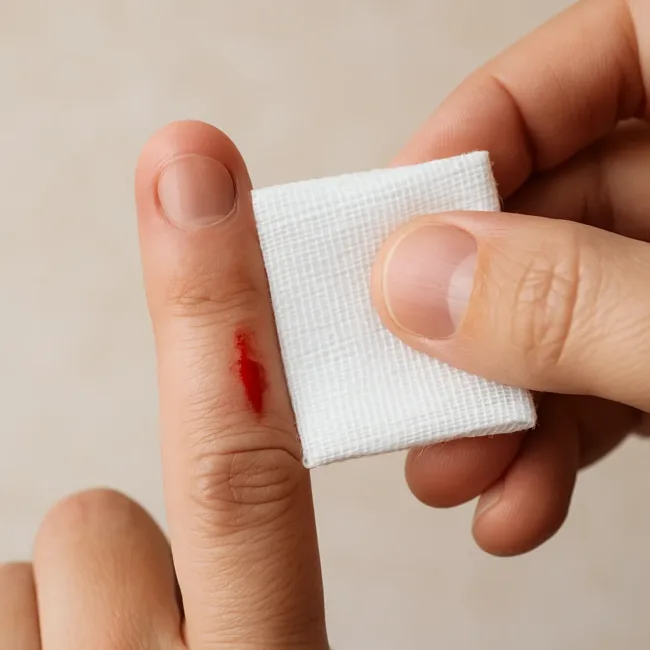
Representative Image: Learn how to stop bleeding from cuts, wounds, and nosebleeds with proven first aid techniques and safe traditional remedies explained in detail.

Bleeding from cuts and wounds is one of the most common injuries seen in daily life, ranging from minor paper cuts to deeper lacerations caused by accidents. While most small cuts stop bleeding on their own, some require quick intervention to prevent excessive blood loss and reduce the risk of infection. Understanding how to stop bleeding effectively — and when to seek medical attention — is an essential skill for everyone, whether at home, at work, or outdoors.

In addition to well-established first aid techniques, many cultures have relied on traditional remedies such as turmeric (haldi), henna (mehendi), coffee powder, and rose water to manage bleeding. While these natural approaches are not substitutes for professional medical care, they hold historical significance and, in some cases, may offer complementary benefits when used responsibly.

What are the most effective first aid steps to stop bleeding from minor cuts and wounds?

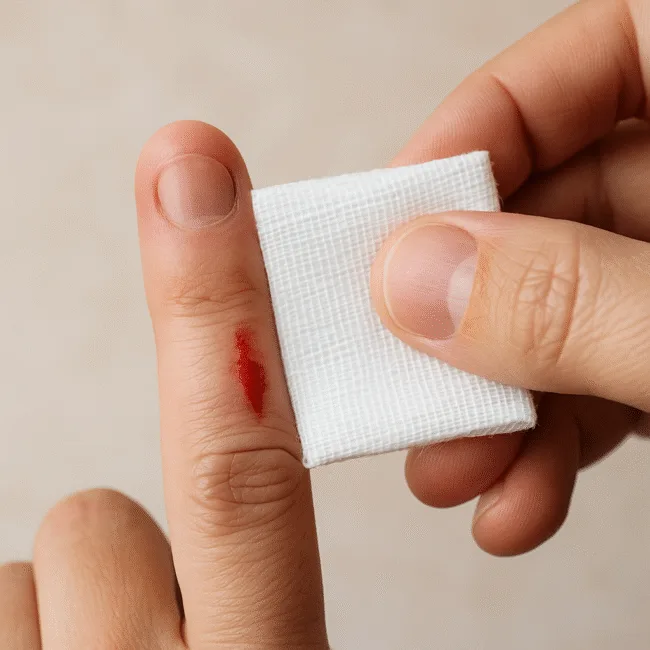
The first priority in any bleeding injury is to apply direct pressure to the wound. This helps blood platelets and clotting factors work together to seal the injured vessel. Using a clean cloth, sterile gauze, or even the edge of clean clothing, pressure should be maintained continuously for several minutes without repeatedly checking to see if the bleeding has stopped, as this can disrupt clot formation.
How to control bleeding from cuts and wounds: From first aid steps to traditional remedies Bleeding from cuts and wounds is one of the most common injuries seen in daily life, ranging from minor paper cuts to deeper lacerations caused by accidents. While most small cuts stop bleeding on their own, some require quick intervention to prevent excessive blood loss and reduce the risk of infection. Understanding how to stop bleeding effectively — and when to seek medical attention — is an essential skill for everyone, whether at home, at work, or outdoors. In addition to well-established first aid techniques, many cultures have relied on traditional remedies such as turmeric (haldi), henna (mehendi), coffee powder, and rose water to manage bleeding. While these natural approaches are not substitutes for professional medical care, they hold historical significance and, in some cases, may offer complementary benefits when used responsibly. What are the most effective first aid steps to stop bleeding from minor cuts and wounds? The first priority in any bleeding injury is to apply direct pressure to the wound. This helps blood platelets and clotting factors work together to seal the injured vessel. Using a clean cloth, sterile gauze, or even the edge of clean clothing, pressure should be maintained continuously for several minutes without repeatedly checking to see if the bleeding has stopped, as this can disrupt clot formation. If available, elevating the injured limb above the level of the heart can reduce blood flow to the area, further helping to slow bleeding. Gentle cleaning of the wound with clean water after bleeding is under control can help remove debris and reduce infection risk. Antiseptic solutions or ointments may then be applied before covering the wound with a sterile dressing. For minor wounds, these steps are often sufficient. However, if bleeding persists despite several minutes of firm pressure, or if the wound is deep, gaping, or caused by a dirty object, prompt medical attention is essential. How can turmeric, henna, and coffee powder help in controlling bleeding from small injuries? In traditional medicine, certain plant-based powders have been used for centuries to help stop bleeding. Turmeric, known as haldi in many parts of South Asia, contains curcumin, which has been studied for its anti-inflammatory and antimicrobial properties. Applying a pinch of clean, powdered turmeric to a small cut is believed to help promote clotting while also reducing the risk of infection. Henna, or mehendi, is another plant product historically applied to oozing wounds. In powdered form, henna leaves contain tannins — naturally occurring compounds with mild astringent effects that can constrict small blood vessels and slow bleeding. Coffee powder, rich in polyphenols and mildly acidic in nature, is sometimes sprinkled over minor cuts in traditional home care, with anecdotal claims of promoting clot formation. While scientific evidence for these remedies is limited compared to standard first aid methods, they remain popular in many communities. It is important, however, to ensure that any powder used is clean, free from contaminants, and applied only to minor, superficial wounds. Deep or heavily bleeding injuries should not be treated with powders, as they can complicate later wound cleaning and medical management. What is the correct way to use traditional remedies for bleeding while avoiding health risks? When using traditional remedies such as turmeric, henna, or coffee powder, hygiene is critical. The powder should be freshly packaged or stored in a clean, airtight container to minimise bacterial contamination. Before applying any powder, the wound area should be gently cleaned to remove dirt and debris. After sprinkling a light layer over the bleeding site, gentle pressure should still be applied with clean gauze or cloth to encourage clot formation. This hybrid approach — combining the protective layer of the powder with standard first aid measures — can help balance traditional practice with modern safety guidelines. One should always be cautious about allergic reactions, especially with plant-based powders, as skin sensitivity varies. If redness, swelling, or itching occurs, the powder should be removed, and the wound should be cleaned again. How can nosebleeds be managed effectively using safe first aid and cultural remedies? Nosebleeds, or epistaxis, are another common bleeding issue. Most are harmless and caused by dryness, minor trauma, or nasal irritation. The first aid approach involves sitting upright, leaning forward slightly, and pinching the soft part of the nose for about 10 minutes. This helps reduce blood pressure in the nasal veins and prevents blood from flowing back into the throat. In some cultural practices, dipping a cotton bud in rose water and gently dabbing it inside the nostrils is believed to help stop bleeding. Rose water contains mild astringent properties and has a soothing effect on nasal tissues. While it may offer comfort, it should only be applied to superficial nasal bleeding and not in cases where bleeding is heavy or persistent. Medical attention should be sought if a nosebleed lasts longer than 20 minutes, occurs after facial trauma, or happens frequently without an obvious cause. When should you seek medical attention for bleeding that doesn’t stop? Even with effective home care, there are situations where professional help is non-negotiable. These include wounds that continue to bleed after 10–15 minutes of firm pressure, injuries involving large or deep cuts, bleeding associated with dizziness or weakness, and injuries in people taking blood-thinning medications. Bleeding from areas like the scalp or tongue can be particularly difficult to control and may require stitches or cauterisation. Similarly, wounds contaminated with soil, rust, or animal bites carry a high risk of infection and may need tetanus shots or antibiotics. Persistent or unexplained bleeding could also be a sign of underlying health conditions affecting clotting, such as haemophilia, vitamin K deficiency, or platelet disorders. In such cases, medical evaluation is essential not just for wound care but also for diagnosing and treating the root cause. Why is understanding bleeding control important for everyday health and safety? Knowing how to stop bleeding quickly and safely is a core life skill that bridges both modern first aid knowledge and traditional healing wisdom. In resource-limited settings or during emergencies when professional help is not immediately available, having the confidence to act can make the difference between a minor injury and a serious complication. Combining evidence-based first aid with cultural practices — while being aware of their limitations — allows communities to preserve heritage while still prioritising safety. For health-conscious individuals and medical students, understanding the physiology of clotting, the action of various remedies, and the warning signs of dangerous bleeding adds depth to practical skills and enriches patient care discussions. How to integrate safe home remedies with proven first aid for bleeding control Bleeding control begins with the fundamentals — direct pressure, elevation, and clean wound care — supported by timely medical attention when needed. Traditional remedies like turmeric, henna, coffee powder, and rose water may have roles in minor cases, provided they are used hygienically and with awareness of their limits. By understanding both the science and the cultural context of these methods, individuals can respond effectively to common injuries, reduce infection risks, and potentially speed up recovery. In a world where accidents can happen at any time, blending knowledge from modern medicine and traditional wisdom remains a valuable approach to health and safety.
Representative Image: Learn how to stop bleeding from cuts, wounds, and nosebleeds with proven first aid techniques and safe traditional remedies explained in detail.

If available, elevating the injured limb above the level of the heart can reduce blood flow to the area, further helping to slow bleeding. Gentle cleaning of the wound with clean water after bleeding is under control can help remove debris and reduce infection risk. Antiseptic solutions or ointments may then be applied before covering the wound with a sterile dressing.

For minor wounds, these steps are often sufficient. However, if bleeding persists despite several minutes of firm pressure, or if the wound is deep, gaping, or caused by a dirty object, prompt medical attention is essential.

See also  HealthDatix owner iGambit to merge with healthcare IT company Clinigence

How can turmeric, henna, and coffee powder help in controlling bleeding from small injuries?

In traditional medicine, certain plant-based powders have been used for centuries to help stop bleeding. Turmeric, known as haldi in many parts of South Asia, contains curcumin, which has been studied for its anti-inflammatory and antimicrobial properties. Applying a pinch of clean, powdered turmeric to a small cut is believed to help promote clotting while also reducing the risk of infection.

Henna, or mehendi, is another plant product historically applied to oozing wounds. In powdered form, henna leaves contain tannins — naturally occurring compounds with mild astringent effects that can constrict small blood vessels and slow bleeding. Coffee powder, rich in polyphenols and mildly acidic in nature, is sometimes sprinkled over minor cuts in traditional home care, with anecdotal claims of promoting clot formation.

While scientific evidence for these remedies is limited compared to standard first aid methods, they remain popular in many communities. It is important, however, to ensure that any powder used is clean, free from contaminants, and applied only to minor, superficial wounds. Deep or heavily bleeding injuries should not be treated with powders, as they can complicate later wound cleaning and medical management.

What is the correct way to use traditional remedies for bleeding while avoiding health risks?

When using traditional remedies such as turmeric, henna, or coffee powder, hygiene is critical. The powder should be freshly packaged or stored in a clean, airtight container to minimise bacterial contamination. Before applying any powder, the wound area should be gently cleaned to remove dirt and debris.

After sprinkling a light layer over the bleeding site, gentle pressure should still be applied with clean gauze or cloth to encourage clot formation. This hybrid approach — combining the protective layer of the powder with standard first aid measures — can help balance traditional practice with modern safety guidelines.

See also  Did you know salty food increases hunger and reduces thirst in people

One should always be cautious about allergic reactions, especially with plant-based powders, as skin sensitivity varies. If redness, swelling, or itching occurs, the powder should be removed, and the wound should be cleaned again.

How can nosebleeds be managed effectively using safe first aid and cultural remedies?

Nosebleeds, or epistaxis, are another common bleeding issue. Most are harmless and caused by dryness, minor trauma, or nasal irritation. The first aid approach involves sitting upright, leaning forward slightly, and pinching the soft part of the nose for about 10 minutes. This helps reduce blood pressure in the nasal veins and prevents blood from flowing back into the throat.

In some cultural practices, dipping a cotton bud in rose water and gently dabbing it inside the nostrils is believed to help stop bleeding. Rose water contains mild astringent properties and has a soothing effect on nasal tissues. While it may offer comfort, it should only be applied to superficial nasal bleeding and not in cases where bleeding is heavy or persistent.

Medical attention should be sought if a nosebleed lasts longer than 20 minutes, occurs after facial trauma, or happens frequently without an obvious cause.

When should you seek medical attention for bleeding that doesn’t stop?

Even with effective home care, there are situations where professional help is non-negotiable. These include wounds that continue to bleed after 10–15 minutes of firm pressure, injuries involving large or deep cuts, bleeding associated with dizziness or weakness, and injuries in people taking blood-thinning medications.

Bleeding from areas like the scalp or tongue can be particularly difficult to control and may require stitches or cauterisation. Similarly, wounds contaminated with soil, rust, or animal bites carry a high risk of infection and may need tetanus shots or antibiotics.

See also  Medxoom raises $8m in Series A round for healthcare marketplace platform

Persistent or unexplained bleeding could also be a sign of underlying health conditions affecting clotting, such as haemophilia, vitamin K deficiency, or platelet disorders. In such cases, medical evaluation is essential not just for wound care but also for diagnosing and treating the root cause.

Why is understanding bleeding control important for everyday health and safety?

Knowing how to stop bleeding quickly and safely is a core life skill that bridges both modern first aid knowledge and traditional healing wisdom. In resource-limited settings or during emergencies when professional help is not immediately available, having the confidence to act can make the difference between a minor injury and a serious complication.

Combining evidence-based first aid with cultural practices — while being aware of their limitations — allows communities to preserve heritage while still prioritising safety. For health-conscious individuals and medical students, understanding the physiology of clotting, the action of various remedies, and the warning signs of dangerous bleeding adds depth to practical skills and enriches patient care discussions.

How to integrate safe home remedies with proven first aid for bleeding control

Bleeding control begins with the fundamentals — direct pressure, elevation, and clean wound care — supported by timely medical attention when needed. Traditional remedies like turmeric, henna, coffee powder, and rose water may have roles in minor cases, provided they are used hygienically and with awareness of their limits.

By understanding both the science and the cultural context of these methods, individuals can respond effectively to common injuries, reduce infection risks, and potentially speed up recovery. In a world where accidents can happen at any time, blending knowledge from modern medicine and traditional wisdom remains a valuable approach to health and safety.


Discover more from Business-News-Today.com

Subscribe to get the latest posts sent to your email.

Total
0
Shares
Related Posts
