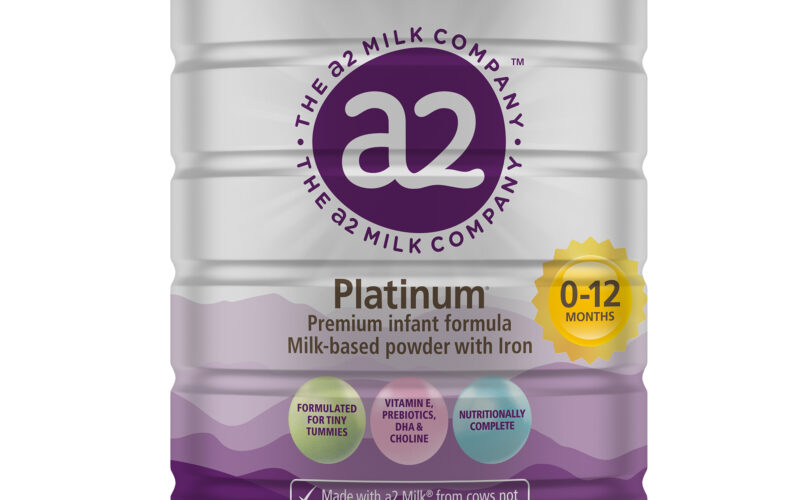
The a2 Milk Company Limited has voluntarily recalled three batches of its imported a2 Platinum Premium USA label infant formula 0-12 months after testing detected the possible presence of cereulide, a heat-stable toxin linked to certain strains of Bacillus cereus. The affected product was sold only in the United States through The a2 Milk Company’s website, Amazon and Meijer stores, after entering the market under U.S. Food and Drug Administration enforcement discretion tied to Operation Fly Formula. The recall covers 63,078 units across three batches, with the company estimating that 16,428 units were sold to consumers, although no confirmed illness or harm has been reported. For The a2 Milk Company Limited, which trades as A2M on the Australian Securities Exchange and ATM on the New Zealand Exchange, the immediate issue is consumer safety, but the broader business question is whether infant formula brands can preserve trust as regulators tighten testing standards around low-probability, high-sensitivity contamination risks.
Why is The a2 Milk Company recalling U.S. infant formula batches now?
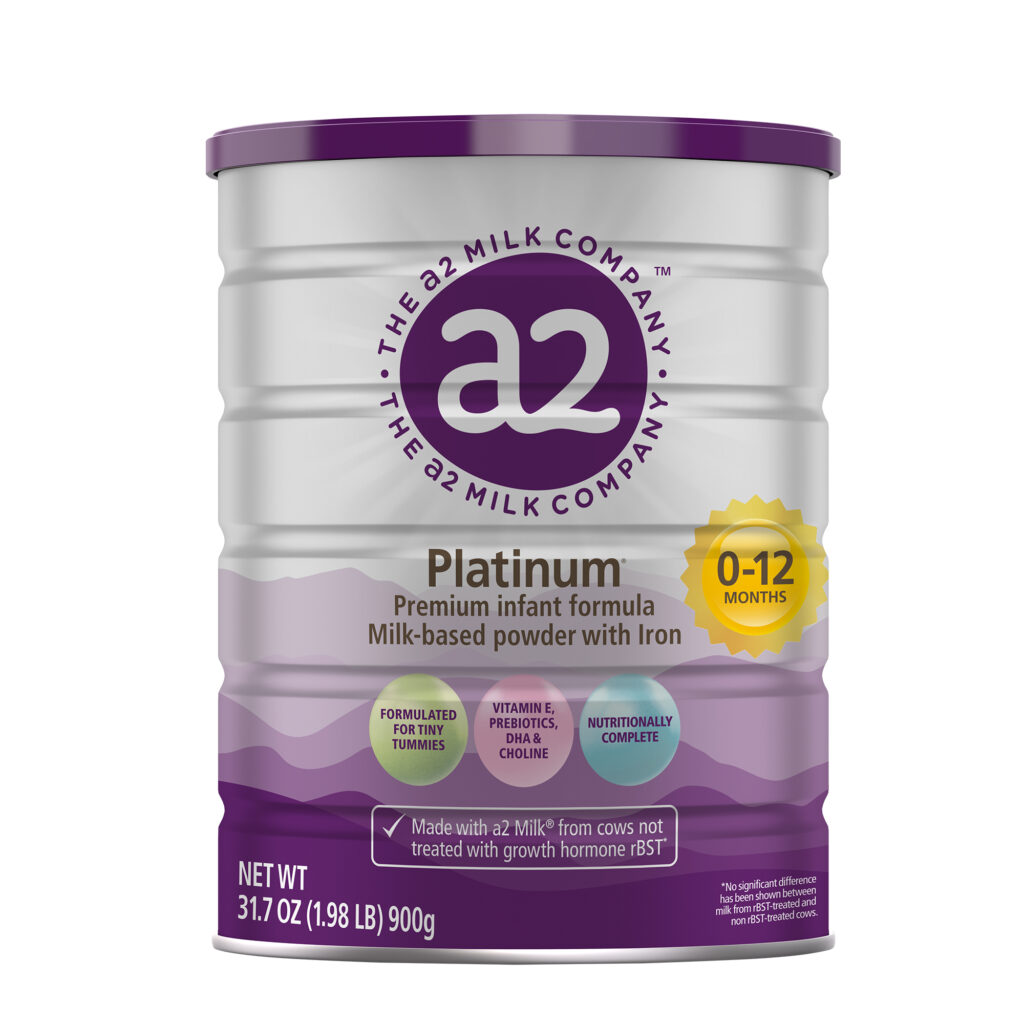
The recall involves a2 Platinum Premium infant formula 0-12 months, a milk-based powder with iron sold in 31.7-ounce tins. The specific recalled batch numbers are 2210269454 with a use-by date of July 15, 2026, 2210324609 with a use-by date of January 21, 2027, and 2210321712 with a use-by date of January 15, 2027. The company has said the batch number and use-by date are printed on the bottom of each tin, making the recall a consumer-level identification exercise rather than a broad category withdrawal.
The trigger was additional testing conducted after new guidance from New Zealand’s food regulatory authority, with The a2 Milk Company stating that the probable source of cereulide was an ingredient in the product. That detail matters because it shifts the issue from a simple finished-product failure to a supply-chain control question. Infant formula manufacturing relies on multiple specialised ingredients, and if the contamination risk is linked to an input rather than final processing, the commercial consequence can travel across brands, geographies and regulatory regimes faster than a single company might prefer.
Cereulide is especially problematic because it is heat-stable, meaning that preparing formula with hot water does not eliminate the toxin. Symptoms can appear within 30 minutes to six hours and commonly involve nausea and vomiting, while infants face higher risk because of developing immune systems and the possibility of dehydration. The fact that no confirmed illness has been reported is important, but in infant nutrition, the reputational threshold is not “was there confirmed harm?” It is “could parents reasonably doubt the safety system?” That is a much tougher test.
How does this a2 Platinum recall fit into the wider global infant formula contamination issue?
The timing places the a2 Platinum recall inside a broader global regulatory moment for infant formula. In January 2026, Food Standards Australia New Zealand reported national recalls of other infant formula products because of possible cereulide contamination, including Nestle Alfamino batches and Alula formula batches. The agency said those recalls involved the potential presence of cereulide toxin produced by Bacillus cereus, giving the a2 recall a wider food-safety backdrop rather than leaving it as an isolated U.S. event.
The World Health Organization also described a multi-country food-safety event involving infant formula and related products after cereulide toxin was detected in batches of multiple internationally distributed brands. Investigations identified arachidonic acid oil, commonly used in infant formula, as the source of contamination in implicated products, while root-cause analysis and traceability work continued. That context makes ingredient provenance and cross-border quality assurance central to the story. For formula makers, the risk is not only whether their own factory followed rules, but whether every upstream ingredient supplier can survive a more forensic regulatory environment.
The United States angle is also sensitive because infant formula supply has remained politically and commercially fragile since the earlier supply shortages that led to Operation Fly Formula. The FDA’s enforcement discretion framework was designed to increase infant formula supply after the 2022 shortage, allowing certain products to be imported under specific conditions. The a2 product was distributed as part of that supply response, while the company has said importation rights expired on December 31, 2025, and the product had already been discontinued and removed from sale before the recall began.
What does the infant formula recall mean for The a2 Milk Company’s brand trust in the United States?
The United States is not The a2 Milk Company’s largest strategic market in the same way China is, but infant formula brand trust does not respect geography. Parents who see a recall notice do not usually parse distribution arrangements, importation timelines or enforcement discretion language. They see a baby formula brand linked to a toxin risk, and that can create reputational drag even when the company acts voluntarily and even when no confirmed illnesses are reported. Consumer memory in infant nutrition can be stubborn, rather like a toddler refusing vegetables, except the stakes are much higher.
The company’s decision to recall specific batches rather than all U.S. product suggests the operational issue is contained to known lots. That is the better version of a bad event. It allows The a2 Milk Company to communicate with specificity, direct consumers to batch codes, limit unnecessary alarm and reduce waste across unaffected products. However, the presence of a heat-stable toxin in any infant formula batch is serious enough that the recall will inevitably sharpen questions around supplier qualification, ingredient testing, finished-product verification and how quickly companies respond when regulators update scientific thresholds.
The discontinuation of the U.S. product before the recall adds a second layer. On one hand, it limits ongoing exposure because the product is no longer being actively sold. On the other hand, it complicates consumer outreach because discontinued products may remain in homes, pantry shelves or secondary purchase channels. The risk is not current retail availability alone, but whether caregivers can identify and stop using affected tins already purchased through Amazon, Meijer stores or The a2 Milk Company’s website.
How could the recall affect investor sentiment around ASX:A2M and NZX:ATM shares?
The a2 Milk Company Limited remains primarily judged by investors on its China infant formula strategy, supply-chain execution and margin outlook, but the recall arrives when sentiment has already been tested by supply disruption and guidance pressure. The company’s New Zealand-listed shares closed at NZ$8.90 on May 1, 2026, up 2.65 percent for the day, with a 52-week change of minus 1.98 percent, according to New Zealand Exchange data. On the Australian Securities Exchange, A2M was recently shown at A$7.27, with a 52-week range of A$6.955 to A$9.970.
The market backdrop is mixed. Earlier in 2026, The a2 Milk Company benefited from stronger China-driven momentum, with the company lifting its fiscal 2026 revenue growth forecast after interim earnings exceeded expectations. More recently, however, reports indicated that the company lowered its fiscal 2026 revenue outlook because of supply-chain disruption, higher freight costs and testing-related constraints affecting shipments to China. That makes the U.S. recall less likely to be the dominant valuation driver by itself, but more likely to reinforce investor sensitivity around operational resilience.
The key sentiment issue is whether investors treat the recall as a contained quality event or as another signal of a more fragile infant formula supply chain. If the company executes the recall cleanly, maintains transparent communication and avoids confirmed illnesses, the financial impact may remain limited. If further batches, markets or ingredients become implicated, the concern could broaden from recall cost to governance credibility. In consumer staples, especially infant nutrition, trust is an intangible asset until it is tested. Then it becomes very tangible, very quickly.
Why does cereulide testing create a bigger compliance challenge for infant formula companies?
Cereulide risk is difficult for the infant formula industry because it sits at the intersection of microbiology, ingredient sourcing and evolving regulatory science. Traditional consumer understanding of food safety often focuses on bacteria being killed by heat. Cereulide breaks that mental model because the toxin can remain even when heat is applied during preparation. That makes prevention, ingredient testing and upstream controls far more important than consumer preparation instructions after purchase.
The FDA has also stepped up infant formula testing more broadly. On April 29, 2026, the agency said it had issued results from increased testing of infant formula as part of Operation Stork Speed, the Closer to Zero initiative and routine food surveillance work designed to protect formula safety and reliability in the United States. While that FDA update was not limited to The a2 Milk Company, it shows that infant formula regulation is moving into a more testing-intensive phase. More testing is good for safety, but it can also reveal issues that older systems missed or treated with less urgency.
For formula companies, this creates a strategic trade-off. Higher testing intensity can strengthen long-term consumer confidence, but it also raises the probability of recalls, supply delays and regulatory friction in the short term. Companies with stronger supplier mapping, faster batch traceability and more diversified ingredient sourcing should be better placed. Companies that rely on narrow suppliers or complex cross-border ingredient chains may face higher compliance costs and greater reputational exposure.
What should consumers, retailers and competitors watch after the a2 formula recall?
Consumers who purchased the affected a2 Platinum Premium infant formula batches have been advised to stop using the product and either dispose of it immediately or return it to the place of purchase for a refund. Caregivers whose infants show symptoms such as vomiting, nausea or signs of dehydration should contact a health care provider. The company has also directed consumers to report illness or adverse events to the FDA through official reporting systems.
Retailers will need to ensure that any affected inventory is removed from shelves, fulfilment systems and returns channels. This is particularly important for e-commerce because recalled products can sometimes linger in third-party or resale environments even after formal retail discontinuation. For Amazon and other online marketplaces, recall execution is not just a logistics task. It is a marketplace governance issue, especially when the product category involves infants.
Competitors should avoid celebrating a rival’s recall because the wider cereulide issue has already shown how ingredient risks can cross brand boundaries. The more rational response is to audit ingredient exposure, supplier documentation, testing protocols and recall communication readiness. In infant formula, the winner is not the company that avoids headlines for a day. It is the company that can prove, repeatedly and under regulatory scrutiny, that its quality system is boring in the best possible way.
Key takeaways on what the a2 Platinum infant formula recall means for The a2 Milk Company, retailers and the infant nutrition industry
- The recall is limited to three identified U.S. batches, but the infant formula category makes even a narrow recall strategically sensitive because consumer trust is central to brand value.
- The a2 Milk Company’s voluntary action and the absence of confirmed illnesses reduce immediate crisis severity, but they do not eliminate reputational risk.
- The probable ingredient-linked source of cereulide makes supplier traceability and raw-material testing the most important issues to watch next.
- The discontinued status of the U.S. product limits ongoing sales exposure, but consumer outreach remains critical because affected tins may already be in homes.
- The broader global cereulide issue shows that infant formula companies are facing a more demanding regulatory and scientific environment, not just isolated product incidents.
- For ASX:A2M and NZX:ATM investors, the recall is unlikely to outweigh China strategy by itself, but it adds to scrutiny around supply-chain execution.
- Retailers and marketplaces need rapid batch-level removal systems because infant formula recalls carry higher public sensitivity than most packaged food categories.
- Competitors should treat the recall as an industry warning on ingredient controls rather than a company-specific vulnerability.
- The FDA’s expanded infant formula testing environment may strengthen long-term consumer confidence, but it could also increase near-term recall visibility across the sector.
- The a2 Milk Company’s next reputational test will be whether the recall remains contained, clearly communicated and free of confirmed illness reports.
Discover more from Business-News-Today.com
Subscribe to get the latest posts sent to your email.