



The United States and Iran are again facing a dangerous escalation in the Gulf after fresh Iranian missile and drone attacks targeted Bahrain, Kuwait and other regional locations, even as negotiations over a proposed end to the war remain stalled. The renewed violence has placed the Strait of Hormuz, United States military posture in the Gulf, Iran’s nuclear programme and regional energy security back at the centre of a crisis with consequences far beyond the Middle East.
United States Central Command said Iranian attacks were either intercepted, thwarted or failed, while the United States carried out further military action against Iranian targets in what Washington framed as a defensive response. The latest exchange comes more than three months after the United States and Israel launched strikes against Iran, triggering a wider conflict that has disrupted oil flows, strained Gulf security systems and complicated efforts to negotiate a durable settlement.
Iran is reviewing a proposed agreement to halt hostilities, but the diplomatic track remains uncertain. United States President Donald Trump has said talks are continuing, while Iranian reporting has pointed to a lack of recent communication with Washington. That gap between public confidence in Washington and visible hesitation in Tehran has made the negotiating environment more fragile, particularly as each new military exchange increases pressure on regional governments and global energy markets.
The immediate question is whether the latest Gulf attacks are isolated military signalling or evidence that the tentative diplomatic framework is losing momentum. The deeper issue is whether the United States and Iran can separate military de-escalation, sanctions relief, the reopening of the Strait of Hormuz and Iran’s nuclear programme into a sequence both sides can accept.
Why are United States and Iran tensions rising again despite talks on ending the war?
The latest escalation reflects the unresolved contradiction at the heart of the United States and Iran negotiations. Washington wants Iran to make binding nuclear concessions before meaningful sanctions relief, while Tehran wants economic breathing room and protection against further military pressure before accepting deeper limits on its nuclear programme.
United States officials have continued to insist that sanctions relief cannot be traded merely for reopening the Strait of Hormuz or reducing attacks on shipping. United States Secretary of State Marco Rubio has stated that the United States will not exchange sanctions relief simply for movement on the strait, because Washington’s core demand remains tied to Iran’s nuclear programme.
Iran has maintained that its nuclear programme is peaceful, while the United States continues to treat the programme as central to the conflict. This disagreement has made even a narrow ceasefire difficult to stabilise. A limited halt to attacks may reduce immediate risks, but it does not resolve the larger dispute over enrichment, inspections, sanctions and regional military activity.
The Gulf attacks also show that Iran retains the ability to create pressure across multiple theatres. By targeting or threatening areas linked to United States military infrastructure and maritime routes, Iran can increase the cost of delay for Washington and its partners. The United States response, meanwhile, signals that Washington does not want Iran to use negotiation as cover for continued attacks.
That cycle leaves both countries caught in a familiar pattern. Military action is used to shape negotiation, but each military action makes negotiation harder to sustain. In the Gulf, that pattern becomes more dangerous because shipping lanes, energy infrastructure and United States regional bases are all within reach of escalation.
How does the Strait of Hormuz make the United States and Iran conflict a global economic risk?
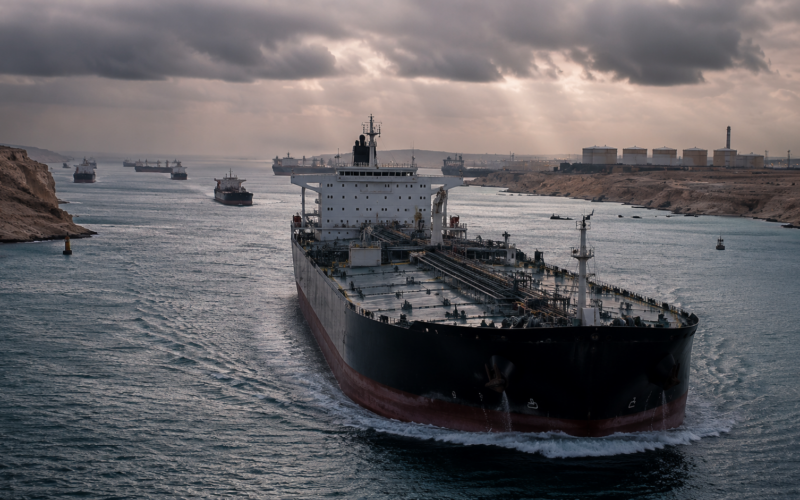
The Strait of Hormuz is not only a regional waterway. It is one of the most important chokepoints in the global energy system, and disruption in the strait immediately affects oil markets, shipping insurance, Asian energy importers and inflation expectations in major economies.
The current conflict has already restricted maritime traffic through the strait. That disruption has raised concern among oil traders, energy ministries and shipping companies because the Gulf remains central to crude oil and liquefied natural gas flows. Even partial restrictions can raise costs, delay cargoes and force importers to search for alternative supplies.
For the United States, keeping the Strait of Hormuz open is a strategic priority because freedom of navigation underpins Washington’s security role in the Gulf. For Iran, pressure on the strait remains one of the few tools capable of imposing costs on the United States, Gulf states and the wider global economy at the same time.
This is why the United States position on sanctions relief is important. Washington does not want Tehran to secure economic concessions merely by threatening a global trade route. Iran, however, may view the strait as leverage precisely because sanctions have limited other forms of pressure.
The risk is that both sides may be correct within their own logic. The United States may believe it must deter coercion in the strait, while Iran may believe it must use maritime leverage to force concessions. When both sides treat the same chokepoint as strategically essential, the risk of miscalculation rises quickly.
What role does Iran’s nuclear programme play in the stalled diplomatic process?
Iran’s nuclear programme remains the central obstacle to a durable agreement. The United States wants restrictions that go beyond a short-term military pause, while Iran wants sanctions relief and economic access without appearing to surrender core sovereign rights.
The dispute is not simply technical. It is also political. For Washington, any deal that leaves Iran with significant enrichment capacity will face criticism from lawmakers, regional allies and security hawks. For Tehran, any deal that appears to dismantle the programme under military pressure could be framed domestically as capitulation.
That is why the current negotiations appear to be struggling between an interim arrangement and a more comprehensive settlement. An interim arrangement could lower the temperature, reopen some maritime routes and create space for further talks. A comprehensive settlement would require deeper concessions on enrichment, inspections, sanctions, regional militias and maritime security.
The problem is timing. Energy markets, Gulf states and humanitarian agencies need immediate de-escalation, but the nuclear file requires slow, detailed negotiation. Military events are moving faster than diplomacy, and that imbalance is one reason the latest attacks carry such significance.
If the United States and Iran cannot agree on sequencing, the talks may continue without producing a stable ceasefire. If the United States demands nuclear concessions first and Iran demands sanctions relief first, the conflict could remain stuck in a dangerous middle zone: too active to be called peace, but too politically constrained to become a declared wider war.
Why are Gulf states central to the consequences of renewed United States and Iran attacks?
Bahrain, Kuwait and other Gulf states are not peripheral actors in this crisis. They are directly exposed to missile and drone threats, deeply connected to United States military posture and heavily dependent on regional energy stability.
The targeting of locations in or near Bahrain and Kuwait shows how quickly the United States and Iran confrontation can place Gulf governments under pressure. These countries must manage air defence, public security, diplomatic messaging and economic risk while avoiding steps that could make them appear to be independent belligerents in the conflict.
Bahrain has particular strategic importance because it hosts the United States Navy’s Fifth Fleet. Kuwait is also central to United States regional logistics and military access. Any attack involving these countries therefore has immediate implications for United States force protection and Gulf security coordination.
For Gulf governments, the priority is likely to remain containment. They need United States security guarantees, but they also need to avoid becoming the main battlefield for a United States and Iran conflict. That balancing act is difficult when missile and drone incidents occur over their territory or near their waters.
The latest attacks could also push Gulf states to strengthen air defence coordination, increase civil defence readiness and intensify diplomatic communication with Washington. At the same time, Gulf states may quietly support any credible diplomatic path that reduces the risk of further strikes on their territory.
How is the Iran conflict affecting Lebanon, aid delivery and regional humanitarian pressure?
The United States and Iran conflict is interacting with other regional crises, particularly Lebanon and the wider humanitarian system. Iran has linked the broader regional environment to Israeli military operations in Lebanon, while the United States has sought to treat those theatres as separate.
That separation is becoming harder to maintain. Israeli operations against Hezbollah in Lebanon, Iran’s support networks across the region and the United States military presence in the Gulf are all part of the same strategic map, even when diplomats attempt to negotiate them separately.
The humanitarian consequences are also growing. Disruption linked to the Iran conflict has affected the movement of lifesaving supplies for children and other vulnerable populations. When maritime routes, air corridors and regional logistics are strained, humanitarian agencies face higher costs, delays and uncertainty.
This matters because the Middle East is already carrying multiple humanitarian burdens. Conflict in Lebanon, displacement pressures, damaged infrastructure and regional insecurity all reduce the capacity of aid systems to respond. A prolonged United States and Iran confrontation would make those pressures worse, even outside the direct battlefield.
The humanitarian angle also changes the diplomatic stakes. A ceasefire would not only reduce military risks. It would also improve logistics for aid delivery, reduce pressure on neighbouring states and lower the risk that regional conflict spills further into civilian life.
What could happen next if United States and Iran diplomacy remains stalled?
If diplomacy remains stalled, the most likely near-term scenario is continued low-level escalation around the Gulf, punctuated by military responses and public claims that negotiations are still possible. That would keep energy markets nervous, Gulf governments on alert and humanitarian agencies under pressure.
A more dangerous scenario would involve a major strike causing substantial casualties at a United States-linked facility, a Gulf energy asset or a civilian shipping route. Such an event could force Washington into a broader response and make it harder for Tehran to return to negotiations without appearing weakened.
A more constructive scenario would involve a narrow interim arrangement focused first on reducing attacks, improving maritime access and reopening communication channels. Such an arrangement would not resolve the nuclear dispute, but it could prevent the conflict from widening while negotiators work through harder questions.
For now, the conflict remains in a volatile middle phase. The United States and Iran are close enough to diplomacy to avoid full strategic rupture, but active enough militarily to keep the risk of escalation alive. That is the core danger for the Gulf, the global energy market and regional security.
What are the key takeaways from the renewed United States and Iran Gulf escalation?
- The United States and Iran conflict has entered another dangerous phase after Iranian missile and drone attacks targeted Bahrain, Kuwait and other regional locations, prompting further United States military action against Iranian targets.
- The diplomatic process remains fragile because Washington is linking sanctions relief to Iran’s nuclear programme, while Tehran is seeking economic relief and security assurances as part of any halt to hostilities.
- The Strait of Hormuz remains central to the crisis because disruption in the waterway affects oil flows, shipping costs, energy importers and global inflation expectations far beyond the Middle East.
- Gulf states such as Bahrain and Kuwait are directly exposed because of their security ties with the United States, their geographic proximity to Iran and their role in regional military logistics.
- Iran’s nuclear programme remains the main obstacle to a durable settlement because both Washington and Tehran face political constraints that make sequencing concessions difficult.
- The conflict is also worsening humanitarian pressure by disrupting regional logistics and complicating aid delivery at a time when Lebanon and other crisis zones already face severe instability.
- The most immediate risk is not only a planned wider war, but a miscalculation caused by missile attacks, maritime incidents or strikes near United States-linked facilities in the Gulf.
Discover more from Business-News-Today.com
Subscribe to get the latest posts sent to your email.