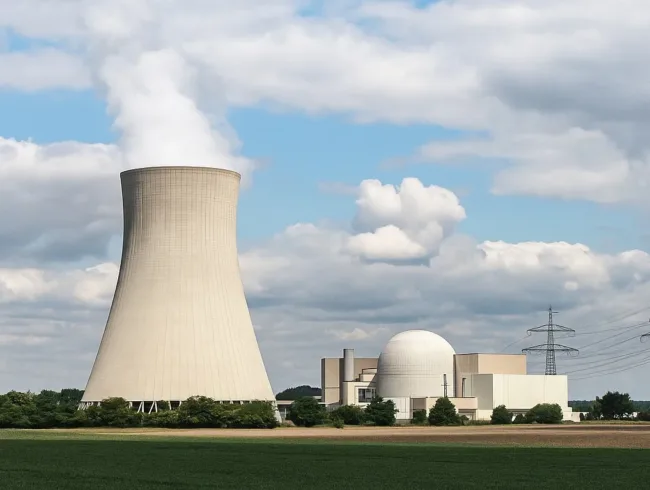
SPML Infra Limited (NSE: SPMLINFRA; BSE: 500402) has secured a ₹186.41 crore order from Power Grid Corporation of India Limited for the extension of extra-high-voltage electricity infrastructure at the Bhadla-III Substation and Ramgarh Pooling Station in Rajasthan. Announced on November 4, 2026, the contract falls under the 765 kV air-insulated switchgear extension package SS-155T and includes additional transformer bays, line bays and associated substation infrastructure. The award strengthens SPML Infra’s position in high-voltage transmission engineering as India expands electricity networks to accommodate renewable generation from western Rajasthan. However, the announced contract value should not be confused with a larger transmission programme or treated as revenue already recognised by the contractor.
The development is commercially relevant because the rapid construction of renewable electricity projects increases requirements for substations, transformers and transmission infrastructure capable of transferring electricity across regional and national networks. Rajasthan’s Bhadla and Ramgarh electricity infrastructure forms part of the wider network serving major solar and renewable energy development areas. Expanding these facilities could support additional electricity evacuation and grid flexibility, although the amount of incremental renewable capacity enabled by the particular package has not been quantified in the announcement.
What does SPML Infra’s ₹186.41 crore Power Grid contract cover at Bhadla-III and Ramgarh?
The contract covers extensions to the existing 765/400/220 kV substation infrastructure at two locations in Rajasthan. At Ramgarh Pooling Station, the scope includes two 765 kV, 1,500 MVA interconnecting transformer bays, two 400/220 kV, 500 MVA interconnecting transformer bays, one 400 kV line bay and two 220 kV line bays. These additions are intended to expand the electrical equipment required to connect and manage power flows across different voltage levels.
At Bhadla-III, the project involves augmentation of five 400/220 kV, 500 MVA interconnecting transformer bays, three 400 kV line bays and five 220 kV line bays. The facilities form part of an established high-capacity electricity transmission system, making the work technically different from constructing a completely new substation at an undeveloped site.
Transformer bays allow electricity to move between voltage levels, while line bays provide the switching, protection and connection infrastructure associated with transmission circuits. Expanding these facilities can increase the ability of existing substations to accommodate additional electrical connections, but the commercial benefit depends on the broader configuration of the transmission network. The installation of additional bays does not automatically establish that a corresponding amount of new generating capacity has been commissioned or connected.
The package requires coordination with existing high-voltage electrical assets, where construction and commissioning may need to be managed around operational requirements. Such work can involve specialised engineering, equipment procurement, civil construction, electrical protection systems and testing. Execution quality is consequently important because new infrastructure must operate reliably alongside facilities already serving the electricity network.
The announced ₹186.41 crore amount is the value attributed to SPML Infra’s order. It is not a disclosed total cost for all transmission system investments at Bhadla and Ramgarh, nor does it establish the contractor’s expected operating margin.
Why are the Bhadla and Ramgarh substations important for Rajasthan’s renewable electricity expansion?
Rajasthan hosts extensive solar development activity supported by favourable solar resources and large renewable energy project areas. However, generating electricity at a solar park is only one part of delivering power to consumers. Large amounts of renewable generation require substations and transmission corridors capable of transferring electricity to consuming regions, particularly where production centres are located far from major demand.
The Bhadla and Ramgarh facilities form part of this transmission infrastructure. Their strategic importance lies in helping manage electricity flows from western Rajasthan into the wider power system, including the high-voltage networks used for interstate transmission. Strengthening these connections can support system reliability and the integration of additional renewable energy projects, although network studies and project-specific approvals determine the precise capacity benefits.
Transmission infrastructure can become a bottleneck when new generating facilities advance faster than the required grid connections. A solar project may have installed equipment and completed construction but still face commercial delays if electricity evacuation infrastructure is unavailable. Timely substation expansion is therefore relevant to both electricity system planning and the financial performance of renewable developers.
The investment also illustrates why transmission projects deserve attention alongside renewable generation announcements. Solar panels and batteries frequently attract greater public interest, but high-voltage substations are essential for integrating generation into dependable electricity supply. The commercial consequences can extend across renewable developers, power purchasers, equipment suppliers and engineering contractors.
For Power Grid Corporation of India Limited, the package represents a targeted infrastructure investment intended to support system augmentation. For SPML Infra, it creates contracted engineering activity in a technically demanding part of the electricity infrastructure market.
How could the 765 kV order strengthen SPML Infra’s engineering business and order book?
SPML Infra has experience across water infrastructure, electricity transmission and distribution, environmental projects and associated engineering services. The latest award strengthens its participation in high-voltage substation works, potentially improving its credentials for future electricity network tenders.
The company has identified extra-high-voltage transmission as part of a wider strategy that also includes battery energy storage systems. These businesses serve different requirements within the electricity sector, but both are influenced by the expansion of renewable generation and the need for a more flexible grid. Transmission infrastructure moves electricity between locations, while batteries can shift electricity between periods, creating complementary investment opportunities.
Nevertheless, winning a transmission contract and establishing a profitable project are separate achievements. The company must procure equipment, manage construction, satisfy technical requirements and complete commissioning in accordance with the applicable contractual terms. Unexpected cost increases or delays could affect margins and working capital even where the headline order value is attractive.
The announcement does not disclose a detailed execution timetable, payment milestone schedule or expected project-level operating profit. Consequently, it would be premature to estimate how much of the ₹186.41 crore will be recognised during any particular financial year or calculate a reliable contribution to earnings per share.
The project’s eventual financial impact will also depend on how much equipment and engineering work is undertaken directly by SPML Infra compared with subcontracted activities. Gross contract value does not equal value added or profit retained by the principal contractor, making execution and procurement discipline central to the investment case.
What should investors monitor after SPML Infra’s latest Power Grid contract?
The award provides positive order-flow visibility for SPML Infra and extends its participation in transmission infrastructure. However, investors should examine the contract’s contribution relative to the company’s existing order book, available working capital and project execution capacity before assuming a corresponding improvement in profitability.
High-voltage infrastructure can require substantial equipment procurement, performance guarantees and coordination with several technical counterparties. Payment timing may also influence cash conversion, making an increase in contract wins financially different from an immediate improvement in free cash flow.
For Power Grid Corporation of India Limited, the investment contributes to the development of transmission infrastructure supporting renewable electricity evacuation. The eventual operational benefits will depend on successful completion, integration with existing equipment and the availability of the wider transmission system.
The ₹186.41 crore award therefore represents a meaningful opportunity for SPML Infra without altering the distinction between a secured contract and a completed project. Its strategic value lies in building experience in a technically demanding category of electricity infrastructure while contributing to an important renewable energy corridor.
The next evidence of progress will come through construction execution, equipment commissioning and financial disclosures showing how the order converts into revenue and cash flow. Successful delivery could strengthen the company’s competitive position in future transmission tenders, although additional awards remain subject to competition and customer investment decisions.
Discover more from Business-News-Today.com
Subscribe to get the latest posts sent to your email.