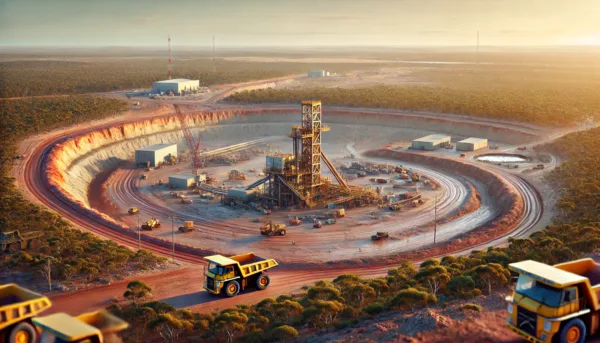


Silver Elephant Mining Corp. (TSX: ELEF) has received approximately US$1.4 million of cash proceeds from the first three 2026 batches of silver-lead concentrate produced from its Apuradita project in Bolivia, providing initial evidence that the company’s small-scale mining and toll-milling model can generate cash.
The three batches used 4,547 tonnes of mineralised feed averaging 297 grams per tonne silver and 0.9% lead. Toll milling produced 84.7 dry tonnes of concentrate containing 24,538 ounces of silver and 20 tonnes of lead metal.
The company estimates a 35% cash-flow margin on the approximately US$1.4 million of proceeds after direct operating costs and capital expenditure at Apuradita. That is management’s project-level estimate rather than an audited consolidated operating or net-profit margin and should be treated accordingly.
Why is the improvement in concentrate grade significant?
Silver grade in the concentrate increased from 5,916 grams per tonne in the first batch to 9,295 g/t in the second and 11,577 g/t in the third. The first-to-third increase is approximately 95.7%, meaning concentrate grade has almost doubled. Lead grade simultaneously increased from 14.4% to 31%.
Higher concentrate grades can improve commercial terms because less concentrate mass needs to be transported and processed for a given quantity of payable metal, although actual smelter economics depend on treatment charges, recoveries, penalties and the detailed offtake arrangements.
The improvement also coincided with better feed grade. Third-batch mineralised material averaged 396 g/t silver compared with 250 g/t in the first batch.
That makes it too early to conclude that processing efficiency alone produced the concentrate improvement. Mine feed quality contributed as well.
How much production scale has Apuradita actually demonstrated?
The first three batches together consumed 4,547 tonnes of feed, while underground operations are continuing at approximately 400-600 tonnes of mineralised material per month. A fourth batch is being stockpiled for delivery to the toll mill in October.
Those numbers show that Apuradita is generating saleable product, but it remains a relatively small mining operation rather than a large-scale commercial mine.
That distinction protects against extrapolating US$1.4 million of initial proceeds into an unrealistic annual revenue figure. Batch timing, grades, mine development, toll-mill availability and working capital can all change.
The fourth batch will therefore provide another useful data point on whether the higher third-batch grades and company-estimated cash-flow margin can be sustained.
What does the 35% cash-flow margin tell investors?
At first glance, 35% looks unusually strong for an early-stage mining operation. But Silver Elephant defines the figure using approximate cash proceeds after direct operating costs and capital expenditure at Apuradita, meaning it is not equivalent to a consolidated EBITDA margin or net margin.
Corporate overhead, exploration elsewhere, financing costs and other group expenses may sit outside that project-level calculation.
The value of the disclosure is still meaningful. It indicates management believes the current mining and toll-milling arrangement is cash-positive after direct project spending rather than merely generating revenue at a loss.
Future financial statements will allow investors to test how much of that project cash survives at group level.
Why is toll milling useful for a company at Silver Elephant’s scale?
Toll milling allows Silver Elephant to process mined material without first funding construction of a large dedicated processing plant. That reduces upfront capital requirements and lets the company test mining, grade control and concentrate sales on a smaller scale.
The trade-off is dependence on third-party processing availability and tolling economics.
For Apuradita, the model is producing measurable commercial evidence: three sales, 24,538 contained silver ounces, US$1.4 million of proceeds and progressively higher concentrate grades.
The next question is scale. Silver Elephant has shown that Apuradita can generate cash in batches. Investors still need to see whether monthly mine output and concentrate production can grow enough for the operation to become a meaningful contributor to the listed company.
Discover more from Business-News-Today.com
Subscribe to get the latest posts sent to your email.