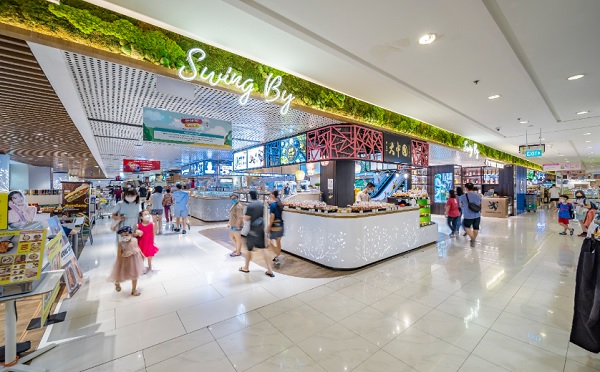


Shares of J Sainsbury plc rose sharply on the London Stock Exchange after the supermarket group reported stronger-than-expected interim results for the 28 weeks ended 13 September 2025. With underlying profit before tax rising 10 percent to £340 million and statutory post-tax profit more than doubling to £165 million, the company also upgraded its full-year profit outlook and unveiled a capital return programme now expected to exceed £800 million. The share price climbed nearly 5 percent, reflecting renewed investor confidence in the group’s financial strength and operational momentum.
The earnings beat comes at a time when J Sainsbury plc is navigating persistent cost pressures and heightened competitive intensity from discount retailers. Yet its multi-year transformation strategy, called “Next Level Sainsbury’s,” appears to be paying off with continued grocery volume outperformance, improved operating leverage and strong customer loyalty metrics.
How did J Sainsbury plc outperform market expectations in its latest half-year?
J Sainsbury plc reported group revenue of £17.58 billion, an increase of 2.8 percent compared to the prior year. Retail sales excluding fuel rose 4.8 percent to £15.58 billion, supported primarily by a 5.3 percent increase in grocery sales to £12.79 billion. Clothing and general merchandise, including Tu Clothing, delivered 3.3 percent growth, while Argos sales increased 2.3 percent, reversing prior year softness.
The group’s underlying retail operating profit remained steady at £504 million. Although cost inflation, National Insurance changes and environmental levies like the Extended Producer Responsibility charge exerted pressure, these were offset by cost savings initiatives, improved Argos profitability and volume-led margin gains in grocery.
Despite an 11.3 percent drop in fuel sales due to weaker demand and falling prices, J Sainsbury plc achieved a 12 percent rise in underlying basic earnings per share to 10.3 pence. Statutory basic earnings per share jumped to 7.2 pence from 3.2 pence in the prior year, reflecting lower restructuring costs and improved operational performance.
Why did Sainsbury’s increase its full-year profit and free cash flow guidance for FY26?
J Sainsbury plc upgraded its full-year underlying retail operating profit guidance to more than £1 billion, citing robust first-half trading, successful cost management and continued grocery momentum. It also reiterated that it expects to deliver over £500 million in retail free cash flow for the full year.
The company’s performance was aided by a strong summer trading season, expanded premium food offerings under the Taste the Difference brand, and a wide-reaching price-matching strategy that has kept its value perception ahead of competitors. Operating efficiencies were also driven by automation, space optimisation and strategic product range adjustments.
J Sainsbury plc is halfway through its three-year “Next Level Sainsbury’s” plan, which targets £1 billion in cost savings and £1.6 billion in retail free cash flow through FY 2026/27. Progress against these goals contributed to the raised guidance.
How does the £800 million shareholder return plan signal confidence in Sainsbury’s balance sheet?
The group confirmed that it will return more than £800 million to shareholders in financial year 2025/26 through a combination of dividends and share buybacks. This includes a special dividend of 11.0 pence per share, totalling £250 million, to be paid in December. The payout is funded by proceeds from the ongoing divestiture of Sainsbury’s banking operations, which have already generated over £400 million in net proceeds.
In addition to the special dividend, J Sainsbury plc will allocate £150 million toward incremental share buybacks. Of this, £50 million will be executed in the current financial year, supplementing the core £200 million buyback programme already in place, while the remaining £100 million is scheduled for the next financial year.
The board also declared a 5 percent increase in the interim dividend to 4.1 pence per share, reflecting the group’s strong cash generation and commitment to returning capital to shareholders.
What strategic moves are underpinning Sainsbury’s momentum across food, digital and store formats?
The group’s grocery performance was underpinned by both volume and value growth. Its Taste the Difference premium range grew by 18 percent, supported by the launch of more than 600 new products during the summer. Sainsbury’s also expanded its Aldi Price Match scheme to 800 key products and rolled out “Your Nectar Prices” across all store checkouts, which helped drive personalised loyalty engagement.
Digital sales surged as groceries online revenue rose 11.4 percent year-on-year. The average order size grew, and OnDemand services also gained traction. Convenience store sales rose 5.2 percent, driven by range expansion, strong summer demand and new store openings.
Tu Clothing continued its strong run, with sales up 7.8 percent and five consecutive quarters of outperformance. General merchandise growth was constrained due to space reallocation toward food, but this contributed to stronger profitability per square foot.
What is the current state of Argos and financial services following strategic realignment?
Argos saw 2.3 percent sales growth despite a deflationary retail backdrop. The business benefited from better digital journeys, enhanced app functionality and new services such as Argos Plus, a paid subscription model for free delivery on orders over £20. Over 80 percent of Argos sales are now digital, and the company is pushing further into personalisation and fulfilment optimisation.
On the financial services front, J Sainsbury plc has largely completed its withdrawal from core banking. It completed the sale of its banking products to NatWest, agreed to sell its travel money business to Fexco, and partnered with Allianz for car and home insurance. These changes are part of a broader move to an asset-light financial services model that supports the retail offer rather than diluting margins. The company expects this to contribute at least £40 million in annual profits by FY 2028.
What do the interim results signal about Sainsbury’s future outlook and investor positioning?
Return on capital employed improved to 9.0 percent, up 50 basis points from the previous year. Net debt to EBITDA was stable at 2.5 times, in line with Sainsbury’s target for a strong investment-grade balance sheet. Free cash flow generation remained robust at £310 million for the half year, although this was slightly lower than the previous year due to higher capital expenditure and working capital changes.
Sainsbury’s has also started rolling out its in-house retail media platform, Nectar360 Pollen, across 200 stores. The platform enables advertisers to deliver personalised campaigns using integrated digital signage, AI-based targeting and omnichannel measurement. This is expected to unlock a new profit stream for the group and accelerate monetisation of customer data through Nectar.
The next catalyst for the stock will be the company’s third-quarter trading update, scheduled for 9 January 2026, which includes the all-important Christmas period.
What is driving investor confidence in J Sainsbury plc in late 2025?
Investors appear encouraged by the group’s ability to balance value and quality, scale up digital loyalty platforms, and simplify its business model while delivering strong shareholder returns. The stock has risen from 337.20 GBX to 353.60 GBX following the H1 results announcement, reflecting improved institutional sentiment and a flight to defensiveness within the FTSE 100.
The £800 million cash return plan, combined with upgraded profit guidance and multi-year cost saving visibility, has positioned Sainsbury’s as one of the more compelling value-plus-yield plays in the UK retail sector. Analysts are now watching closely to see if the company can carry its grocery momentum and media monetisation strategies into the second half of the year.
What are the key takeaways from J Sainsbury plc’s H1 2025/26 earnings and revised guidance?
J Sainsbury plc’s interim results for the first half of FY 2025/26 reflect strong execution across grocery, digital loyalty, and cost optimisation, alongside a shareholder-friendly capital return strategy. Below is a summary of the most important developments:
- Group revenue (excluding VAT) rose 2.8 percent year-on-year to £17.58 billion, driven by 5.3 percent grocery sales growth.
- Underlying profit before tax increased 10 percent to £340 million, with statutory profit after tax more than doubling to £165 million.
- Retail underlying operating profit remained stable at £504 million, despite higher employment and regulatory costs.
- The company upgraded its full-year profit guidance, now expecting retail underlying operating profit to exceed £1 billion.
- Free cash flow for FY26 is expected to be above £500 million; H1 cash flow stood at £310 million.
- J Sainsbury plc announced over £800 million in shareholder returns, including a £250 million special dividend and £150 million in additional share buybacks.
- Interim dividend was raised by 5 percent to 4.1 pence per share; statutory EPS rose from 3.2p to 7.2p.
- Taste the Difference premium food sales rose 18 percent, and digital loyalty via Nectar continued to drive cross-tier volume gains.
- Online grocery sales grew 11.4 percent; convenience formats grew 5.2 percent amid warmer weather and new store rollouts.
- Argos saw a 2.3 percent sales increase and now generates over 80 percent of its revenue through digital channels.
- Financial services divestments contributed over £400 million in proceeds, funding dividends and simplifying the business model.
- Return on capital employed improved to 9.0 percent, while net debt to EBITDA remained stable at 2.5x.
- Investors will focus next on Sainsbury’s third-quarter trading update, scheduled for 9 January 2026, which will cover the critical Christmas trading period.
Discover more from Business-News-Today.com
Subscribe to get the latest posts sent to your email.