Prime Healthcare has completed its historic acquisition of Ascension Illinois hospitals, marking a major expansion in its national footprint. The deal includes eight acute care hospitals, multiple senior living and post-acute care facilities, and physician practices across Illinois. This acquisition reinforces Prime Healthcare’s strategy of revitalizing financially challenged hospitals and ensuring continued access to high-quality healthcare.
At the same time, Prime Healthcare Foundation has finalized an agreement to acquire Central Maine Healthcare, further solidifying its presence in the Northeast. The acquisition includes hospitals, rehabilitation centers, and physician networks, with significant planned investments in facility improvements and community-focused healthcare programs. With a reputation for preserving and enhancing medical institutions, Prime Healthcare’s latest expansion is expected to bring financial stability, improved patient care, and enhanced medical services to both Illinois and Maine.
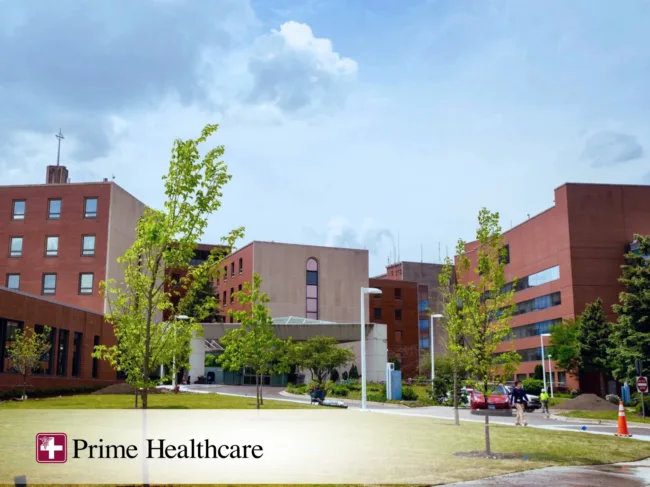
Why Did Prime Healthcare Acquire Ascension Illinois Hospitals?
The Prime Healthcare acquisition of Ascension Illinois hospitals follows an extensive review by the Illinois Health Facilities and Services Review Board, which unanimously approved the transaction. Additional endorsements from the Archdiocese of Chicago and the Vatican affirm that the hospitals will continue operating within the framework of Catholic healthcare principles, ensuring the continuation of faith-based medical services.
The acquisition aligns with Prime Healthcare’s long-standing mission to support struggling hospitals, invest in infrastructure, and deliver high-quality, community-based care. The transition brings an immediate commitment of $250 million for facility upgrades, medical technology advancements, and operational improvements. The company’s approach focuses on stabilizing financially distressed hospitals and turning them into thriving healthcare institutions while ensuring that essential services remain accessible to all patients.
What Changes Can Illinois Patients Expect Under Prime Healthcare?
Patients in Illinois can expect a seamless transition, with a focus on maintaining and expanding healthcare services. Prime Healthcare has confirmed that it will retain nearly all hospital staff and physicians, ensuring continuity of care. The company has also pledged to sustain charity care programs, reinforcing its commitment to serving vulnerable communities. Investment in new medical technology, upgraded hospital infrastructure, and enhanced outpatient services is expected to improve patient outcomes. The integration of Ascension Illinois hospitals into the Prime Healthcare system brings access to award-winning clinical programs, evidence-based treatment approaches, and a nationally recognized commitment to patient safety.
Local leaders have emphasized that maintaining high standards of care is a priority, with Prime Healthcare assuring that no essential services will be discontinued. The goal is not only to preserve existing healthcare services but to enhance them through new initiatives and expanded medical specialties. The transition also ensures that these hospitals remain key healthcare providers in their communities, with additional resources dedicated to improving emergency care, surgical advancements, and chronic disease management programs.
How Does the Central Maine Healthcare Acquisition Fit Into Prime Healthcare’s Strategy?
In a separate agreement, Prime Healthcare Foundation has acquired Central Maine Healthcare, which operates several hospitals, rehabilitation centers, and outpatient facilities. This transaction is expected to close by the end of 2025, subject to regulatory approvals. The acquisition ensures the financial stability of Central Maine Healthcare, which has faced operational challenges in recent years. Under the new agreement, Prime Healthcare Foundation will invest $150 million in facility improvements, medical technology, and expanded healthcare services over the next five years.
Prime Healthcare Foundation’s acquisition of Central Maine Healthcare extends the company’s reach into a region that has struggled with hospital closures and limited healthcare resources. The company’s focus on preserving access to essential services aligns with its broader mission to strengthen community healthcare systems. The transition is expected to enhance medical training programs, attract top healthcare professionals, and expand specialty care in the region. By integrating Central Maine Healthcare into its network, Prime Healthcare Foundation aims to create a more sustainable model for rural and urban healthcare facilities alike.
What Are the Long-Term Benefits of Prime Healthcare’s Expansion?
With the Prime Healthcare acquisition of hospitals in Illinois and Maine, the company’s national presence continues to grow. The expansion strengthens its ability to implement cost-saving measures, enhance operational efficiencies, and introduce innovative healthcare solutions. Long-term benefits include improved financial stability for struggling hospitals, modernized healthcare facilities, expanded medical services, and continued support for charity care initiatives.
As a nationally recognized health system, Prime Healthcare has been repeatedly named among the Top 15 Health Systems and 100 Top Hospitals in the country. This acquisition strengthens its standing as a leader in patient-centered care, medical innovation, and hospital revitalization. Industry experts note that Prime Healthcare’s approach to acquisitions focuses not only on financial restructuring but also on improving clinical quality, reducing operational inefficiencies, and expanding access to high-demand medical specialties.
The commitment to preserving charity care programs ensures that uninsured and underprivileged patients will continue receiving necessary medical services. By strategically investing in new technology, telemedicine platforms, and state-of-the-art equipment, Prime Healthcare is also positioning its hospitals to better serve patients in an increasingly digital healthcare landscape. The expansion further integrates data-driven healthcare solutions, allowing for more precise diagnostics, streamlined patient management, and enhanced coordination between physicians and specialists.
What Comes Next for Prime Healthcare’s Newly Acquired Hospitals?
As the transition unfolds, Prime Healthcare is working closely with local hospital leadership, medical professionals, and community stakeholders to ensure a smooth integration process. In Illinois, immediate infrastructure improvements and service enhancements are already underway. In Maine, the deal remains subject to regulatory approvals, with operations expected to transition fully by the end of the year.
Prime Healthcare remains committed to upholding high standards of care while implementing strategic investments that will benefit both medical professionals and patients. The Prime Healthcare acquisition of these hospitals reflects the company’s long-term vision of strengthening community healthcare while preserving the legacy of existing medical institutions. The integration of these facilities into the Prime Healthcare system is expected to bring greater financial sustainability, advanced medical treatments, and expanded healthcare access for thousands of patients.
By expanding into Illinois and Maine, Prime Healthcare continues its mission of revitalizing hospitals, safeguarding access to critical medical services, and setting new benchmarks for healthcare excellence in the United States. The company’s growth strategy ensures that communities in these states will benefit from sustained medical advancements, improved patient outcomes, and a healthcare network that prioritizes accessibility, quality, and long-term stability.
Discover more from Business-News-Today.com
Subscribe to get the latest posts sent to your email.