





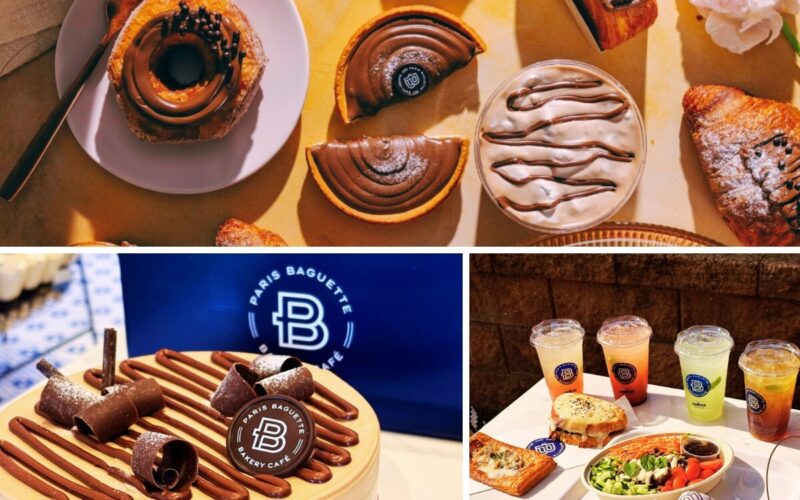
Paris Baguette is opening a new bakery café at Metro Centre at Owings Mills, with a Friends and Family opening scheduled for April 19, 2026, and a soft opening on April 20, 2026. The café will operate at 10309 Grand Central Avenue in the Baltimore County mixed-use development and will offer dine-in, takeout, and catering services. On the surface, this is another routine food-service expansion story. In practice, it is a useful signal about how both Paris Baguette and David S. Brown Enterprises are positioning for repeat foot traffic, longer dwell time, and stronger lifestyle branding inside a transit-oriented suburban project.
Why is Paris Baguette continuing to expand through suburban mixed-use destinations in North America?
For Paris Baguette, the Owings Mills opening fits a broader North American expansion strategy built around suburban infill, high-visibility retail corridors, and mixed-use destinations that can support demand across multiple dayparts. Bakery cafés are no longer competing only within the dessert or coffee segment. They are increasingly trying to become all-purpose neighborhood spaces where customers can stop for breakfast, hold informal meetings, pick up celebration cakes, or grab light meals throughout the day. That makes the format especially attractive in locations where residential, office, and visitor traffic overlap.
Paris Baguette’s menu structure also supports that strategy. By offering pastries, breads, cakes, sandwiches, and beverages under one roof, the brand can appeal to a wider range of customer missions than a more narrowly positioned café or bakery. That flexibility matters in a suburban node like Owings Mills, where the same site may need to serve morning commuters, office tenants, local residents, and family-oriented occasion spending. In retail terms, a concept that can generate repeat visits across several use cases is more valuable than one that depends on a single rush period.

Why does Paris Baguette’s new location matter for Metro Centre at Owings Mills?
For Metro Centre at Owings Mills, this opening is less about adding one more food tenant and more about refining the identity of the development. David S. Brown Enterprises has positioned Metro Centre as a mixed-use community with residential, office, retail, dining, and hospitality elements. A bakery café like Paris Baguette helps reinforce that positioning because it contributes everyday utility as well as brand polish. People may visit a project for apartments, offices, or services, but food tenants often determine whether they return casually and frequently.
That is where the opening becomes strategically relevant. Paris Baguette is the kind of operator that can increase dwell time, support incidental spending, and make the broader development feel more active throughout the day. In leasing terms, this is the kind of tenant that helps a project feel lived in rather than staged. Mixed-use developments increasingly depend on these small but important layers of activity to strengthen their long-term appeal.
How does a bakery café strengthen foot traffic in a transit-oriented suburban retail hub?
Bakery cafés occupy a useful middle ground in the modern retail ecosystem. They are more premium and atmosphere-driven than a pure quick-service outlet, but typically less time-intensive than full-service dining. That balance gives them an advantage in developments where customers want convenience without sacrificing experience. Metro Centre, with its blend of transit accessibility and mixed-use design, is well suited to this kind of format.
A tenant like Paris Baguette can serve several overlapping demand pools. Office workers may use it for coffee or casual meetings. Residents may rely on it for daily bakery purchases or weekend treats. Families may turn to it for cakes and catering. Visitors may stop in as part of a wider trip through the development. When a food concept works across that many occasions, it becomes a meaningful contributor to the commercial ecosystem rather than simply another storefront.
What does this opening suggest about food-led leasing trends in suburban Maryland?
The Owings Mills launch also reflects a wider shift in suburban leasing strategy. Developers are increasingly prioritizing food and service concepts that generate repeat visits and integrate naturally into everyday routines. The era of filling retail space with generic tenants and hoping traffic appears has become much harder to sustain. Instead, landlords are leaning toward concepts that bring frequency, convenience, and perceived quality in one package.
Paris Baguette fits that profile well. It has a recognizable international brand, a menu broad enough to support different use cases, and a store format that can function as both a quick stop and a more relaxed café destination. For a project like Metro Centre, that combination supports the broader goal of creating an environment where people not only live or work, but also spend discretionary time and money.
Can Paris Baguette turn brand recognition into repeat local demand in Owings Mills?
That will be the key execution question. Brand visibility and an attractive product mix can help drive trial traffic, but long-term performance depends on consistency, freshness, service quality, and routine relevance. A bakery café can generate a strong first impression, but it only becomes a durable tenant if it earns habitual use. In other words, curiosity gets people through the door once, while operational discipline gets them back on Tuesday morning.
The Owings Mills location appears designed to maximize those repeat-use opportunities through dine-in, takeout, and catering. That gives Paris Baguette multiple revenue paths from the same footprint and helps reduce dependence on any one customer segment. Still, the site’s success will depend on whether it becomes part of local daily life rather than just a novelty addition to the retail mix.
What does Paris Baguette’s Owings Mills opening say about the next phase of mixed-use retail strategy?
This is a relatively small opening, but it points to a larger real estate pattern. Mixed-use projects are increasingly competing not just on location or scale, but on how effectively they create daily-use ecosystems. The strongest developments are those that combine convenience, atmosphere, and repeatability. That means tenants must do more than occupy space. They need to generate rhythm.
Paris Baguette gives Metro Centre another tenant capable of doing exactly that. It supports everyday traffic, adds a premium but accessible food offering, and helps strengthen the development’s lifestyle positioning. For Paris Baguette, the move extends its suburban North American expansion playbook. For Metro Centre, it adds a tenant that can improve the overall stickiness of the project. The opening may not be transformational on its own, but it is the kind of incremental move that often tells you where a retail strategy is headed.
Key takeaways on what Paris Baguette’s Owings Mills opening means for Metro Centre and local retail strategy
- Paris Baguette’s entry into Owings Mills is more significant as a traffic driver than as a standalone restaurant opening.
- Metro Centre gains a tenant that can contribute across breakfast, lunch, snack, and celebration occasions.
- The opening strengthens David S. Brown Enterprises’ effort to position Metro Centre as a lifestyle-oriented mixed-use destination.
- Bakery cafés remain attractive suburban tenants because they combine convenience, premium feel, and repeat visitation.
- Paris Baguette’s broad menu and service model give it multiple demand channels from the same location.
- The site supports a wider leasing trend toward food-led, experience-linked suburban retail.
- For Metro Centre, the addition improves the project’s daily-use appeal for residents, office workers, and visitors.
- For the local market, the launch adds competitive pressure in premium casual bakery and café occasions.
- The real test will be whether Paris Baguette becomes part of neighborhood routine rather than a one-time curiosity.
- This opening reflects a broader truth in mixed-use development: the right café can do as much for place-making as it does for food sales.
Discover more from Business-News-Today.com
Subscribe to get the latest posts sent to your email.

