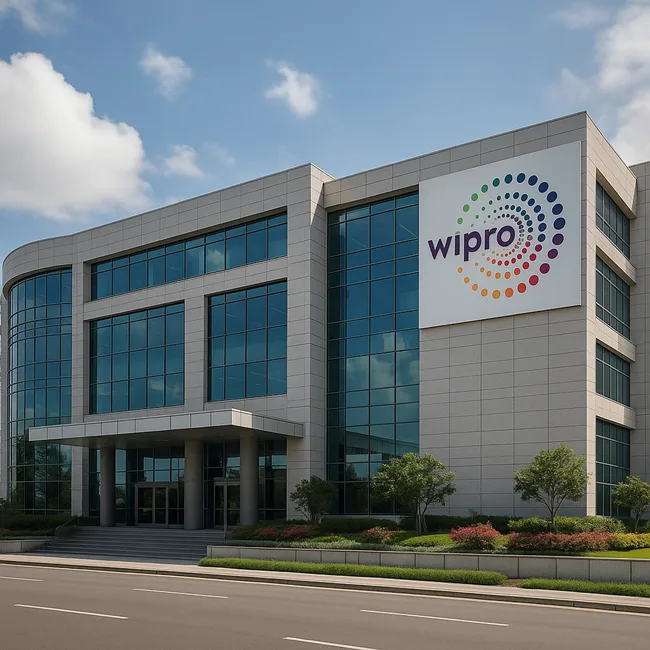
Wipro Limited (NYSE: WIT, BSE: 507685, NSE: WIPRO) has entered a multi-year strategic partnership with Odido Netherlands B.V., a prominent Dutch telecommunications provider, to deliver a sweeping modernization of its IT infrastructure. Announced on November 27, 2025, this engagement is designed to overhaul Odido’s digital ecosystem by embedding artificial intelligence across enterprise and customer operations, underpinned by Wipro’s AI-powered platforms and design-led delivery framework. The development marks a milestone in Wipro’s European expansion and reinforces its positioning as a key transformation partner for regulated industries seeking AI-enabled business agility.
Previously referenced without naming the client in Wipro Limited’s financial results for the quarter ending September 30, 2025, the engagement now stands revealed as a flagship initiative, combining consulting, automation, and digital experience engineering to streamline Odido’s IT operations and elevate customer satisfaction.
What is Wipro’s role in reimagining Odido’s IT operations with AI?
Under the terms of the agreement, Wipro will lead the full-scale modernization of Odido’s IT landscape, spanning both enterprise and consumer-facing functions. A central feature of this partnership is the integration of Wipro Intelligence™, a unified suite of AI-powered solutions and delivery platforms including WEGA and WINGS. These platforms are designed to automate workflows, boost operational resilience, and deliver predictive capabilities that reduce service downtime and enhance overall system responsiveness.
By introducing intelligent automation and simplifying legacy architectures, Wipro aims to streamline processes that currently drive significant operational overhead. The transformation is expected to help Odido boost productivity, reduce cost-to-serve, and accelerate incident resolution cycles through AI-driven triage and root-cause analysis.
Wipro’s conversational AI solution will also play a critical role in this transition. Tailored for multilingual and contextual self-service, this interface is expected to improve service delivery in areas where speed, reliability, and personalization matter most, such as customer onboarding, troubleshooting, and support interactions.
In addition to technology, Wipro’s experience-led studio model will bring a design-first lens to the transformation effort. By embedding teams from Designit, its global design and innovation firm, early in the engagement, Wipro intends to ensure that user needs are captured at the blueprint stage and translated into intuitive, high-impact solutions. This integrated approach reduces feedback loops and helps Odido align business objectives with human-centered design outcomes.
Odido’s Chief IT Officer, Robert Purdy, described the initiative as an evolution of the company’s long-standing goal to make technology more human, explaining that the Wipro collaboration supports its ambition to drive customer-centric outcomes across all facets of operations, from IT to product innovation.
How does the self-funding transformation model work in Wipro’s Odido partnership?
A key differentiator in the engagement is its self-funded architecture. Rather than requiring upfront capital expenditure from Odido, the model will reinvest cost savings achieved through automation, optimization, and efficiency gains back into new digital initiatives. This closed-loop investment cycle is designed to ensure continuous transformation without requiring incremental budget allocations.
For Odido, this mechanism provides a structured pathway to innovation that remains financially sustainable. It also aligns with broader telecom sector trends, where operators are under pressure to deliver high-quality digital experiences while reducing capital intensity and improving return on infrastructure investments.
From Wipro’s standpoint, the self-funding model enhances long-term account visibility and underscores its credibility as a transformation partner focused on outcome-based delivery. Analysts tracking Wipro’s performance view this model as a template that could be replicated across similar engagements in Europe and beyond, especially as telecommunications companies seek new ways to monetize digital infrastructure and achieve faster payback on modernization programs.
Why is the Odido engagement a strategic signal for Wipro’s Western Europe strategy?
The multi-year engagement with Odido expands Wipro’s presence in Western Europe at a time when telecom operators in the region are seeking to evolve from traditional network providers into digital service orchestrators. Amid 5G expansion, data sovereignty regulations, and heightened customer expectations, the need for platform-led transformation has become more urgent across European markets.
Wipro’s Managing Director for Western Europe, Graziella Neuvéglise, emphasized that the engagement is not just about IT infrastructure modernization, but about reshaping how technology enables better customer outcomes. She noted that the consulting-led approach positions Wipro as a strategic advisor, rather than a vendor, capable of aligning enterprise goals with agile development and AI-first execution.
This announcement adds weight to Wipro’s recent pivot toward value-centric delivery in mature markets. The Indian IT services and consulting firm has been shifting away from legacy systems integration toward full-stack digital programs that bring together advisory, platform engineering, and managed operations. By anchoring itself deeper into core systems within telecoms, Wipro is also improving account stickiness and strengthening its visibility into client investment roadmaps.
Financially, this adds to Wipro’s pipeline of large deals that blend fixed-price transformation with variable pricing tied to measurable business outcomes. This structure is seen as attractive to European clients balancing cost control with modernization imperatives. Investors are expected to monitor execution closely over the next few quarters, particularly around revenue conversion from consulting to managed services.
How does this engagement reflect the broader IT priorities of telecom providers in 2025?
Odido’s IT modernization priorities mirror a growing consensus across the global telecom sector. As network commoditization continues and customer loyalty becomes increasingly experience-driven, telcos are prioritizing investments in platforms, automation, and real-time intelligence over pure infrastructure upgrades.
The use of conversational AI, multilingual support, and design-integrated engineering suggests a shift toward frictionless service journeys and context-aware engagement. With cloud-native architectures and zero-touch operations now defining telecom’s next chapter, players like Odido are positioning themselves to leapfrog legacy IT bottlenecks by embedding intelligence at the core of their digital strategy.
Industry analysts suggest that engagements like this will also have downstream effects on talent models, with reskilling and cross-functional collaboration becoming key pillars of success. Moreover, as regulators tighten scrutiny around digital transparency, having a centralized AI operations framework could also simplify compliance and audit-readiness.
Wipro’s ability to package advisory, AI operations, and experience design into a single engagement is being closely watched by competitors, particularly in the context of fast-maturing markets like Germany, the Netherlands, and the Nordics. If successful, the Odido partnership could strengthen Wipro’s case for taking a lead role in next-generation telecom modernization programs globally.
What are the next steps and investor implications for Wipro?
For investors, the Odido deal adds further credibility to Wipro’s strategy of winning large, transformative contracts that bring visibility to medium-term revenue streams. While no financial figures were disclosed for the engagement, its positioning in Wipro’s Q2 FY26 results indicates material relevance.
In recent months, Wipro’s stock has seen modest movement, with institutional sentiment remaining in the hold-to-buy range as analysts await signs of margin expansion tied to platform-led delivery. The company’s growing emphasis on proprietary IP and reusable delivery assets, such as WEGA and WINGS, is viewed favorably in a market increasingly focused on productivity-per-dollar.
Looking ahead, investors are likely to focus on client ramp-ups, deal conversion cycles, and the overall contribution of AI-powered platforms to revenue and margin uplift. With European operators prioritizing digital differentiation over pure-play connectivity, Wipro’s performance in deals like Odido may serve as a barometer for how effectively it can monetize its AI and consulting assets at scale.
What are the key takeaways from Wipro’s AI-led transformation deal with Odido Netherlands?
- Wipro Limited has entered a multi-year agreement with Odido Netherlands B.V. to lead a comprehensive AI-powered modernization of its IT operations and customer engagement infrastructure.
- The engagement will be delivered through a self-funding model, where cost savings generated from automation and productivity improvements will be reinvested into ongoing digital initiatives.
- Wipro will deploy its proprietary platforms including WEGA and WINGS, part of the Wipro Intelligence suite, to automate workflows, enhance IT service reliability, and improve incident resolution times.
- Conversational AI and multilingual self-service capabilities will be introduced to strengthen Odido’s customer experience and responsiveness across channels.
- Designit, Wipro’s experience-led design studio, will be integrated into development workflows to align technology delivery with user and business needs from inception.
- The deal expands Wipro’s footprint in Western Europe and aligns with its consulting-led strategy targeting high-value transformation opportunities in telecom and other regulated industries.
- Odido’s stated goal is to humanize technology across operations and customer journeys, with Wipro’s design and AI capabilities central to this vision.
- Analysts see this as a potential reference model for future telecom IT deals in Europe, especially for operators seeking intelligent automation and cost-effective transformation.
- Investor sentiment toward Wipro remains stable, with the market expected to watch for measurable KPIs and ramp-up milestones from this engagement.
- The deal underscores Wipro’s shift toward platform-led, outcomes-based service delivery that goes beyond traditional systems integration.
Discover more from Business-News-Today.com
Subscribe to get the latest posts sent to your email.