
Why energy security concerns are reshaping national strategies in a turbulent global market
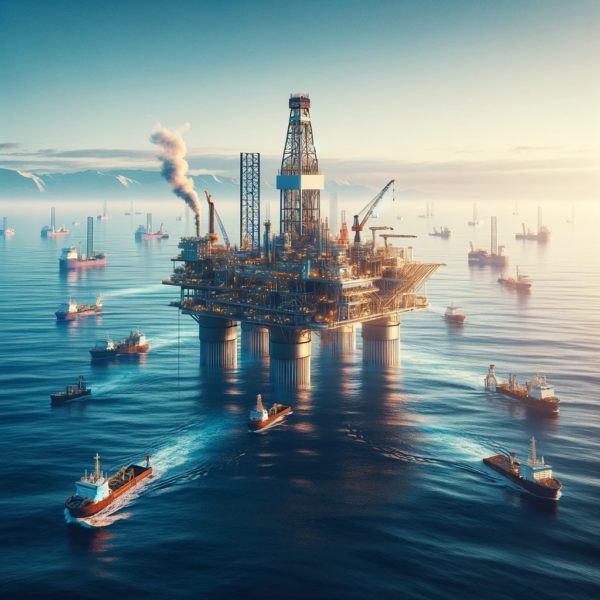
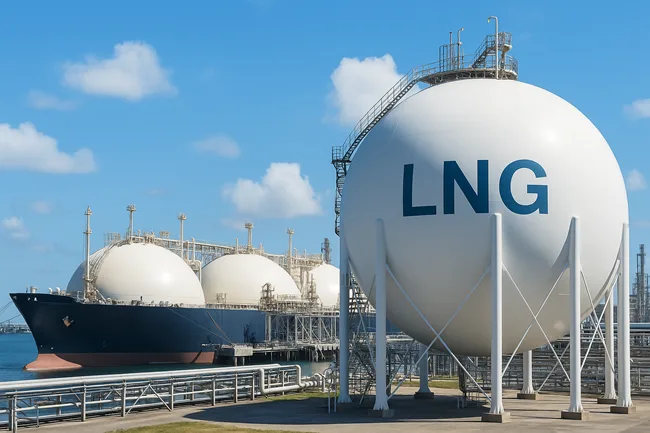
Energy security has re-emerged as a defining priority for governments as volatile fossil fuel markets, climate risks, and geopolitical conflicts unsettle traditional supply chains. Russia’s invasion of Ukraine exposed Europe’s heavy reliance on imported gas, triggering a scramble for liquefied natural gas at record prices. Asia, meanwhile, is straining coal and gas markets as demand rises to fuel industrial expansion. Against this backdrop, nuclear power is increasingly being positioned as a stabilising force. Unlike fossil fuels, uranium costs account for only about five per cent of nuclear electricity generation, meaning reactors remain largely insulated from commodity price shocks and can run continuously for more than a year between refuelling cycles.
How nuclear power provides dispatchable, low-carbon electricity that supports renewable integration
One of nuclear energy’s strongest contributions to energy security lies in its ability to generate dependable, dispatchable power while producing minimal carbon emissions. The International Energy Agency (IEA) has underlined that nuclear power plants are critical for grid stability, particularly as intermittent renewables like wind and solar expand. When the sun sets or the wind drops, reactors can adjust output to prevent blackouts. Countries with established fleets—including France, Sweden, and Finland—have consistently achieved among the lowest carbon intensities in electricity generation while remaining less exposed to global fuel price volatility.
Can nuclear reduce import dependence and strengthen national resilience in uncertain times?
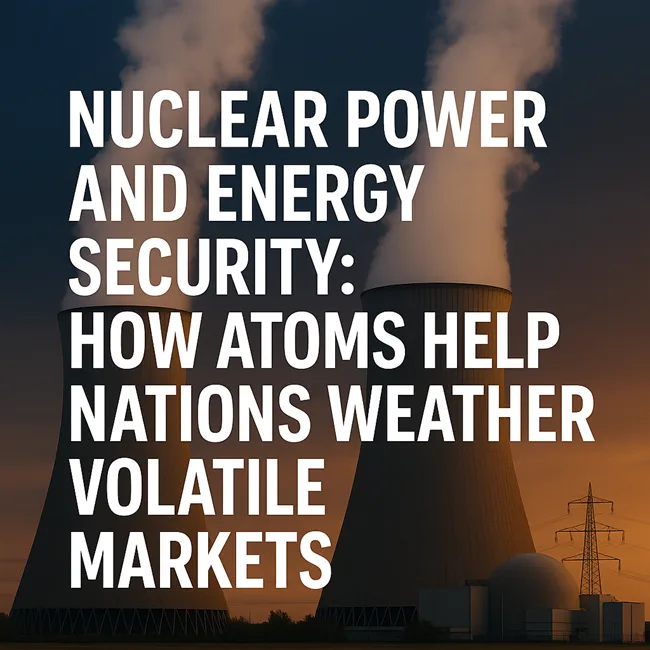
For many countries, reliance on imported fossil fuels creates a strategic vulnerability. Nuclear power changes the calculus: a few tonnes of uranium can supply a reactor for an entire year, and fuel is compact enough to be stockpiled for long-term use. Nations such as France maintain strategic reserves and global supplier agreements, while India and China are actively exploring domestic uranium reserves and thorium fuel cycles to limit exposure to global markets. This ability to hedge against import risks makes nuclear fuel security a more predictable foundation compared to volatile oil or gas pipelines.
What role does nuclear power play in hedging against climate risks and extreme weather events?
Beyond market shocks, energy systems are increasingly threatened by climate change itself. Rising heat waves, droughts, and violent storms strain hydropower reservoirs and reduce thermal plant efficiency. Nuclear reactors, designed with high safety margins, are built to withstand extreme conditions and can maintain performance in hot climates. They generally require less cooling water than coal facilities, though coastal plants must plan for sea-level rise and storm surges. Building climate-resilient reactors has become a critical dimension of energy security strategies, especially for nations with vulnerable grids.
Why do policies and market structures matter for realising nuclear’s energy security potential?
While nuclear energy strengthens diversification, its long-term viability depends on policy frameworks that reward its unique capabilities. The IEA has stressed that capacity remuneration, carbon pricing, and long-term contracting mechanisms are essential to ensuring nuclear’s contribution to secure, low-carbon power. Without supportive policies, the economics tilt toward cheaper, shorter-lead-time renewable and gas projects. Market design, therefore, is pivotal: energy security benefits may remain untapped if nuclear’s dispatchability and resilience are undervalued in deregulated systems.
What lessons from Europe and Asia show nuclear’s role in protecting against fuel crises?
Europe’s 2022 gas crunch highlighted nuclear’s value in real time. France, where nuclear accounts for about 70 per cent of electricity, cushioned consumers from the worst of price shocks. Germany, after shutting down reactors, scrambled to restart coal and secure costly liquefied natural gas contracts. Finland’s commissioning of the Olkiluoto 3 reactor in 2024 reduced its dependence on imports and boosted domestic stability. In Asia, Japan’s gradual nuclear restarts have cut back expensive LNG purchases, while India is accelerating its nuclear build-out to offset coal dependence. These case studies collectively demonstrate that nuclear capacity strengthens national resilience during geopolitical and market upheavals.
How does nuclear integrate with renewables and emerging hydrogen strategies for future grids?
Energy security increasingly requires balancing different resources rather than relying on a single pillar. Nuclear’s role is shifting from baseload dominance to flexible partnership with renewables. In France and Sweden, operators already modulate output to match demand swings, creating room for intermittent solar and wind. Advanced concepts now involve coupling nuclear with electrolysers, producing hydrogen during low-demand periods. This hydrogen can then be stored and redeployed for industry or transport, effectively turning nuclear into a dual-purpose energy security and decarbonisation asset.
Could microreactors redefine resilience by supplying power where grids cannot reach?
A new wave of innovation is bringing nuclear’s benefits to places once considered off-limits. Microreactors, typically under 20 MW, are factory-built and can be shipped by truck, enabling deployment in remote or off-grid locations. Reuters has reported growing interest from data centre operators facing surging electricity demand, with companies like Last Energy planning dozens of units in Texas to supply server farms. Mining projects, island communities, and military bases are also evaluating microreactors as replacements for diesel generators. Their small footprint and shorter licensing timelines could make them a flexible addition to the energy security toolkit.
How does nuclear power influence geopolitical leverage and strategic autonomy?
Energy policy has always carried geopolitical weight. Nations heavily dependent on imported fossil fuels often face constraints on foreign policy or exposure to supply disruptions. Nuclear power provides a counterweight: a national fleet can be fuelled by a relatively small amount of uranium, stockpiled for years. During Europe’s gas crisis, France and Sweden proved more resilient because they required fewer imports and could even export surplus electricity. Meanwhile, India and China view nuclear power as part of strategic autonomy, reducing reliance on Middle Eastern hydrocarbons. On the supplier side, countries like Kazakhstan, Canada, and Australia gain geopolitical leverage through uranium exports, while Russia and France dominate enrichment. Expanding supply chain diversity is now seen as a security imperative.
Why is nuclear power tied to national identity and technological prestige in many countries?
Beyond kilowatts and policy, nuclear energy carries deep symbolic importance. France and Russia frame their nuclear sectors as hallmarks of national pride, while Japan’s reactor restarts are entwined with questions of scientific leadership post-Fukushima. For emerging economies, entering the nuclear arena signals technological maturity and industrial capability. Nuclear industries also support high-skilled jobs across engineering, metallurgy, and robotics, embedding themselves in the broader industrial ecosystem. This explains why governments often persist with nuclear commitments even in the face of domestic political resistance.
Does nuclear power truly secure energy systems in a volatile world?
Nuclear power should be neither idealised as a cure-all nor dismissed as obsolete. Its unique traits—long refuelling cycles, compact fuel volumes, and reliable output—make it a valuable anchor in any diversified energy mix. Challenges remain, from financing and waste management to proliferation safeguards. Yet ignoring nuclear on ideological grounds removes a proven hedge against both geopolitical shocks and climate instability. A pragmatic, diversified approach—pairing nuclear with renewables, storage, and robust transmission—offers the strongest path to securing affordable and resilient energy supplies in the decades ahead.
How investors are valuing utilities with nuclear portfolios amid energy security concerns
Investor sentiment is increasingly factoring in energy security premiums. French utility EDF, with the world’s largest nuclear fleet, benefits from stable long-term revenues, while German utilities more exposed to gas saw profits eroded when prices spiked. Markets appear to reward companies that maintain a balanced generation portfolio, including nuclear, as investors value the hedge it provides against volatility. Energy security is no longer just a government concern—it is being priced into capital markets.
Discover more from Business-News-Today.com
Subscribe to get the latest posts sent to your email.