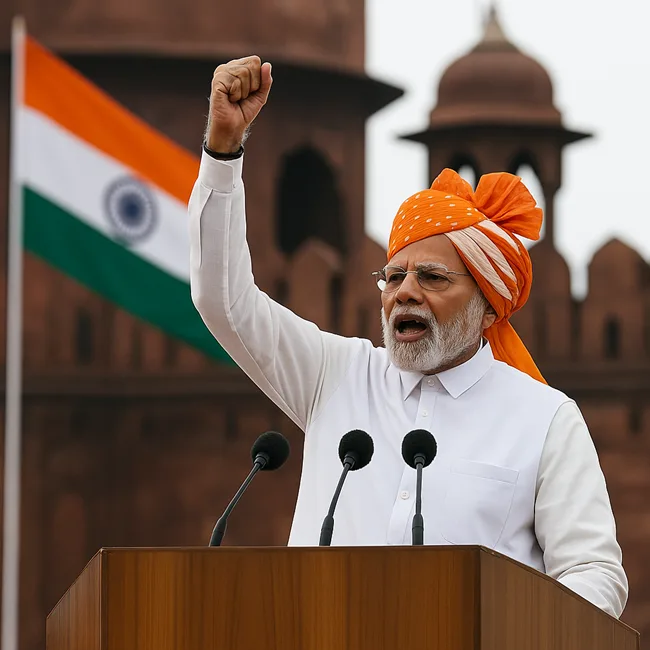
Democrat Abdul El-Sayed is projected to win Michigan’s US Senate race, making history as the first Muslim ever elected to the chamber and adding another major milestone to the sweeping Democratic gains emerging from the 2026 midterm elections. El-Sayed’s projected victory comes as Democrats secured control of Congress and delivered a broader-than-expected rebuke to President Donald Trump.
The Michigan result carries significance well beyond a single Senate seat. El-Sayed’s victory expands Muslim representation at the highest levels of the federal government while also strengthening the Democratic majority in a chamber that will play a central role in shaping the remainder of Trump’s presidency.
Why Abdul El-Sayed’s Senate victory is a historic moment in US politics
El-Sayed’s projected win marks the first time a Muslim candidate has been elected to the United States Senate, creating a new representation milestone in a chamber that has historically been far less diverse than the House of Representatives. The result comes amid a midterm election cycle that produced several historic firsts across the country.
His victory is particularly notable because Michigan has one of the largest Arab American and Muslim populations in the United States, making the state an important center of political engagement around issues including immigration, civil rights, foreign policy and economic opportunity.
The result also underscores the growing diversity of candidates who are winning statewide office. While Muslim Americans have served in the House before, securing a Senate seat represents a substantially higher electoral hurdle because candidates must win across an entire state rather than a single congressional district.
That distinction gives El-Sayed’s win both symbolic and practical importance. He will enter the Senate with a national platform and a vote that could influence judicial confirmations, executive appointments, foreign policy debates and major legislation.
Michigan result strengthens Democratic control of the Senate after 2026 midterms
El-Sayed’s projected victory is also part of a much broader Democratic performance that reshaped control of Congress. Democrats won back both the House and Senate as voters shifted away from Republicans in multiple parts of the country, including some areas that Donald Trump had won comfortably during the 2024 presidential election.
That broader context means the Michigan race cannot be viewed solely as an individual candidate story. Every additional Democratic Senate seat potentially increases the party’s ability to control committees, determine the chamber’s legislative agenda and influence confirmations.
Senate control will be especially important during the second half of Trump’s term. The chamber has constitutional authority to confirm federal judges, Cabinet officials, ambassadors and other senior nominees, giving Democrats substantially greater leverage over the administration than they possessed during the first two years of the term.
A stronger Democratic majority could also give party leaders more flexibility when negotiating among moderate and progressive senators. Narrow Senate majorities can make individual lawmakers enormously influential, while a larger cushion can reduce the likelihood that a single defection derails major party priorities.
El-Sayed’s win could reshape political engagement among Muslim American voters
The historic nature of El-Sayed’s election could have a longer-term impact on political participation among Muslim Americans and other communities that have traditionally been underrepresented in statewide and national office.
Representation does not automatically translate into uniform political support. Muslim American voters hold diverse views on economic policy, social issues, foreign affairs and party politics, and voting patterns have varied significantly across different elections.
However, the election of a Muslim senator demonstrates that candidates from communities once considered unlikely to win statewide office can now build coalitions broad enough to succeed in major battleground states.
Michigan is particularly important in that regard. The state has repeatedly played a major role in presidential and congressional elections, and its diverse electorate makes it an important testing ground for changing political coalitions.
El-Sayed’s success may therefore encourage both parties to devote greater attention to Muslim and Arab American voters, particularly in competitive states where relatively small shifts in turnout can influence statewide results.
What Abdul El-Sayed’s election could mean for the new Democratic Senate
Once the new Congress convenes, attention will quickly turn from the symbolism of El-Sayed’s victory to the practical role he will play in the Senate. Committee assignments, legislative priorities and his positions on key national issues will help determine how prominently he figures in the Democratic majority.
The incoming Senate is likely to confront major disputes involving government spending, judicial nominations, immigration, healthcare, foreign policy and the scope of executive authority. Democrats will also face pressure from their voters to use their new congressional power to provide stronger oversight of the Trump administration.
For El-Sayed, those debates will provide an opportunity to establish a national profile while balancing the priorities of Michigan voters with the broader strategy of Senate Democrats.
His arrival also comes at a moment when the Democratic Party is beginning to look beyond the immediate midterm victory toward the 2028 presidential election. New statewide leaders could become increasingly influential as the party debates its future direction, policy agenda and national coalition.
El-Sayed’s election will therefore be watched not simply as a historic first, but as an early indication of how a changing generation of Democratic leaders may influence the party in the years ahead.
Key takeaways on Abdul El-Sayed’s historic Michigan Senate victory
- Abdul El-Sayed is projected to become the first Muslim elected to the US Senate.
- His Michigan victory adds to major Democratic gains in the 2026 midterm elections.
- The result strengthens Democratic control of a Senate crucial to nominations and legislation.
- El-Sayed’s win represents an important milestone for Muslim American political representation.
- His Senate role could give him a growing national profile ahead of the 2028 political cycle.
Discover more from Business-News-Today.com
Subscribe to get the latest posts sent to your email.