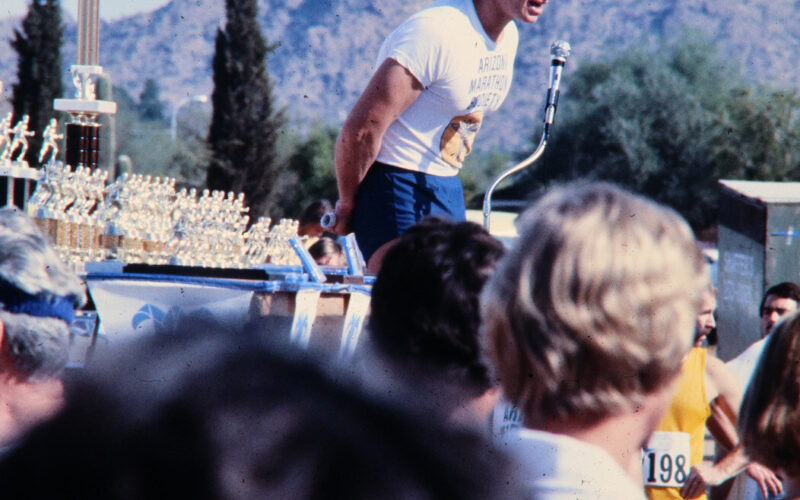
Life Time Group Holdings, Inc. (NYSE: LTH) has acquired the Phoenix 10K, one of Arizona’s longest-running road races, as the fitness and wellness operator expands deeper into endurance events and community-based athletic experiences. The transaction adds a 51-year-old local race to a Life Time portfolio that already spans large-format athletic clubs, digital wellness services and 30 owned athletic events. The deal comes at a useful moment for Life Time Group Holdings, Inc., whose shares were trading at $31.68 on May 6, 2026, up about 7.8 percent intraday after a strong earnings update and improved 2026 outlook. The acquisition is not financially large by public-market standards, but it gives Life Time Group Holdings, Inc. another asset in the fast-growing intersection of fitness participation, experiential wellness and recurring consumer engagement.
Why is Life Time Group Holdings acquiring Phoenix 10K as running participation expands?
The acquisition of Phoenix 10K gives Life Time Group Holdings, Inc. a legacy endurance asset in a market where the company already has a physical presence through athletic country clubs in the Greater Phoenix area. The Phoenix 10K was founded in 1976 by Dr. Art Mollen and has developed into a long-running community race with a local identity that cannot be replicated quickly through a new event launch. For Life Time Group Holdings, Inc., that matters because endurance events are not just one-day revenue opportunities. They can become acquisition funnels, community anchors, training-program drivers and brand extensions for consumers who may not yet be members of a Life Time athletic country club.
The more interesting part of the deal is that Life Time Group Holdings, Inc. is not buying a race in isolation. It is layering Phoenix 10K onto a broader wellness ecosystem that includes clubs, endurance training programs, digital platforms and health-focused programming. That creates more ways to monetize a participant before and after race day, including coaching, memberships, nutrition, app engagement and repeat event registrations. In plain English, Life Time Group Holdings, Inc. is trying to turn runners into a relationship, not just a registration.
Dr. Art Mollen will remain involved as founder and ambassador, which reduces one of the biggest risks in acquiring community races: alienating the local base. Legacy endurance events often carry emotional capital, and heavy-handed rebranding can backfire. Life Time Group Holdings, Inc. appears to be taking the safer route by preserving the event’s local identity while adding operational scale, sponsorship capability and marketing reach.

How does the Phoenix 10K acquisition fit into Life Time’s wider events portfolio strategy?
Life Time Group Holdings, Inc. has spent more than two decades building an athletic events business that includes the Miami Marathon, UNBOUND Gravel and the Leadville Race Series. The Phoenix 10K now joins that portfolio as a shorter-distance, accessible road race rather than a high-barrier endurance test. That distinction is important because 10K races can attract a wider participant base, including casual runners, families, returning athletes and people using organized events as motivation for fitness goals.
The 2026 Life Time Phoenix 10K is scheduled for November 8, 2026, with a start and finish in Phoenix’s Biltmore neighborhood and a course through Paradise Valley. The event will also continue to include the Mollen Mile for Kids, aimed at children ages 3 to 10. That family layer supports Life Time Group Holdings, Inc.’s positioning across healthy living and healthy aging rather than only high-performance athletics.
For investors, the strategic value lies in cross-selling and retention rather than race fees alone. A single local race may not move revenue materially, but a portfolio of race assets can deepen brand loyalty, support local club utilization and create sponsor-ready community touchpoints. This is where the acquisition becomes more than a feel-good sports story. It shows Life Time Group Holdings, Inc. using events as a bridge between physical clubs and lifestyle engagement.
What does the deal signal about competition in fitness, wellness and endurance events?
The Phoenix 10K acquisition signals that competition in fitness is no longer limited to gym square footage or monthly membership pricing. The broader market is shifting toward experiences, communities and measurable lifestyle participation. For Life Time Group Holdings, Inc., owned athletic events provide differentiation against lower-cost gyms, boutique studios and digital-only fitness platforms.
The logic is simple but powerful. A gym membership can be cancelled. A race goal creates commitment. A training plan builds routine. A community event creates emotional attachment. Life Time Group Holdings, Inc. can use that behavioral loop to strengthen its broader consumer ecosystem, especially in high-income suburban markets where wellness spending remains resilient.
The risk is that endurance events require disciplined execution. Weather, permitting, safety, local sponsorship, volunteer coordination and course logistics can all affect participant experience. The Phoenix 10K has history on its side, but Life Time Group Holdings, Inc. will need to avoid over-commercializing the event. A race that feels too corporate can lose the very authenticity that made it worth acquiring.
Why does Life Time’s latest stock performance raise the stakes for execution?
Life Time Group Holdings, Inc. entered the Phoenix 10K announcement with improving investor sentiment after reporting first-quarter 2026 revenue of $788.7 million, up 11.7 percent year over year, and net income of $88.1 million, up 15.8 percent. The company also reported adjusted EBITDA of $226.7 million, up 18.3 percent, and raised its 2026 outlook, giving investors a stronger earnings backdrop for evaluating smaller strategic moves such as the Phoenix 10K acquisition.
The market reaction has been favorable. Life Time Group Holdings, Inc. was trading at $31.68 during the May 6 session, with an intraday range of $29.70 to $32.58 and a market capitalization of about $7.21 billion. The stock’s 52-week range is $24.14 to $34.99, while recent performance data showed gains of 12.01 percent over five days and 3.02 percent over one month, although the stock remained down over the past year.
That context matters because investor patience tends to improve when earnings momentum is visible. The Phoenix 10K acquisition is unlikely to be judged as a standalone financial catalyst. Instead, the market will likely view it as part of a larger question: can Life Time Group Holdings, Inc. convert premium wellness demand into durable revenue growth without overextending capital or diluting its brand?
Can local race acquisitions become a scalable growth channel for Life Time Group Holdings?
Life Time Group Holdings, Inc. has a plausible playbook if it can repeat the Phoenix 10K model selectively. Acquiring respected local races gives the company instant community credibility, existing participant data and a platform for local market activation. That is far easier than building every event from scratch, especially in cities where permitting, tradition and runner loyalty matter.
However, scale will require selectivity. Not every community race has the heritage, geography or participant base to justify corporate ownership. The best targets are likely to be events with long histories, strong local recognition, family participation, sponsor potential and proximity to Life Time athletic country clubs. Phoenix 10K fits that profile because the company already has a growing Arizona footprint and recently opened Life Time Paradise Valley and Life Time Ocotillo in Gilbert.
The deeper strategic question is whether Life Time Group Holdings, Inc. can make events measurable within its broader operating model. If event participants become members, members become race entrants, and families become repeat users of Life Time programming, then the acquisition model becomes more compelling. If events remain isolated brand assets, the financial impact will be modest. The opportunity is real, but the operating discipline has to be real too.
Key takeaways on what Life Time’s Phoenix 10K acquisition means for the company and investors
- Life Time Group Holdings, Inc. is using the Phoenix 10K acquisition to strengthen its position in experiential wellness rather than simply adding another race to its calendar.
- The deal gives Life Time Group Holdings, Inc. a 51-year-old community asset in Arizona, where the company already has a growing club presence.
- The continued involvement of Dr. Art Mollen reduces community-transition risk and helps preserve the event’s local credibility.
- The Phoenix 10K adds an accessible road-race format to a portfolio that already includes higher-profile endurance events.
- The acquisition could support member acquisition, local engagement and training-program participation if Life Time Group Holdings, Inc. integrates it carefully.
- The timing is favorable because Life Time Group Holdings, Inc. has just reported stronger first-quarter 2026 earnings and raised its full-year outlook.
- The stock’s recent rally suggests investors are more receptive to growth initiatives, although execution still matters more than announcement optics.
- The main risk is over-commercialization, especially if Life Time Group Holdings, Inc. weakens the community feel that made Phoenix 10K valuable.
- The broader signal is that fitness companies are competing through events, communities and lifestyle ecosystems, not just gym memberships.
- For Life Time Group Holdings, Inc., the deal is small in financial scale but potentially useful as a template for local market expansion.
Discover more from Business-News-Today.com
Subscribe to get the latest posts sent to your email.