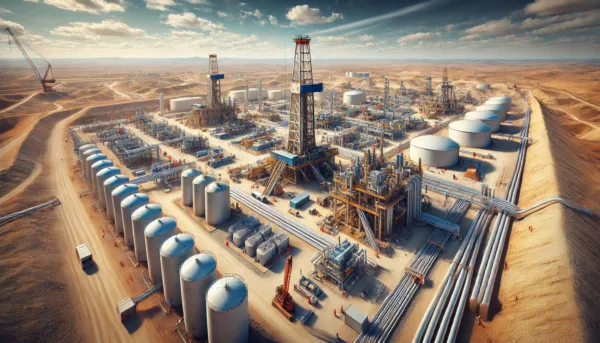
As artificial intelligence (AI) continues to reshape the digital landscape, the energy demands of data centers—especially those supporting AI workloads—are reaching unprecedented levels. Hyperscalers, which operate massive cloud computing infrastructures, are increasingly looking for reliable, carbon-free baseload energy sources to meet this growing demand. Two technologies—small modular nuclear reactors (SMRs) and clean hydrogen—are emerging as key contenders for the energy needs of the future, with each offering unique benefits and challenges.
Amazon has already committed to a bold multi-billion-dollar nuclear strategy, partnering with X-energy, Korea Hydro & Nuclear Power Corporation (KHNP), and Doosan Enerbility to build small modular reactors (SMRs) across the U.S. Meanwhile, hydrogen fuel cells are gaining traction, with companies like EdgeCloudLink (ECL) demonstrating that hydrogen-powered data centers can deliver the modular, clean energy needed to scale AI operations. As the competition intensifies, the question remains: which energy source—hydrogen or nuclear—will become the backbone of AI infrastructure in the 2030s?

Why are hyperscalers turning to hydrogen and nuclear energy to power AI workloads in data centers?
AI workloads are exponentially more power-hungry than traditional cloud computing tasks. The vast computational power required to train large-scale AI models and perform constant real-time data processing has pushed the energy demands of data centers to new heights. For example, training an AI model like GPT-3 requires as much energy as powering 1,000 homes for a year. This staggering energy consumption puts considerable pressure on traditional power grids, which rely heavily on intermittent renewable sources like wind and solar.
While renewables are a crucial part of the solution for data centers, their intermittent nature means they cannot always meet the round-the-clock energy demands of AI. That’s where hydrogen and nuclear energy come in. Both technologies provide a solution for ensuring consistent, carbon-free baseload power, which is crucial for AI operations that demand continuous energy supply.
How is hydrogen being tested as an alternative to diesel and nuclear power for AI data centers?
Hydrogen fuel cells are emerging as an attractive option for powering data centers, particularly in backup and off-grid applications. Hydrogen fuel cells work by converting hydrogen gas into electricity through a chemical reaction, emitting only water and heat as byproducts. As a result, hydrogen offers a clean, sustainable energy source that can meet the high power demands of AI workloads.
EdgeCloudLink (ECL) has become one of the leaders in this space, launching a 1 MW hydrogen-powered modular data center in Mountain View, California, in May 2024. The facility operates off-grid and uses proton exchange membrane (PEM) fuel cells, which are highly efficient and well-suited for powering AI-intensive applications. This pilot project has demonstrated that hydrogen fuel cells can be used to run a small-scale data center, and the company is now scaling its efforts to provide larger, modular hydrogen-powered data centers in the U.S.
ECL’s next major project, the TerraSite-TX1 AI Factory, is under construction near Houston, Texas, with an expected capacity of 50 MW and plans to expand to 1 GW by 2030. The site will be fully powered by green hydrogen, produced from renewable sources, and will house advanced AI workloads. However, the main challenge with hydrogen remains its supply and storage. Today, hydrogen must be delivered via tanker, which, at large-scale deployments, can become costly and logistically complicated.
Despite these challenges, hydrogen offers several benefits: it can be stored for extended periods, transported, and deployed flexibly, which makes it an ideal solution for data centers located in remote or underserved areas where grid power is either unavailable or unreliable.
How does Amazon’s nuclear strategy compare with hydrogen experiments?
While hydrogen shows great promise, Amazon’s shift towards nuclear energy highlights a more immediate, large-scale solution for baseload power. In late 2024, Amazon’s Climate Pledge Fund invested USD 500 million in X-energy to advance the development of its Xe-100 small modular reactors (SMRs). Amazon is also partnering with KHNP and Doosan Enerbility to deploy up to 5 GW of SMRs across the U.S. by 2039.
The Xe-100 reactors are a revolutionary new type of nuclear reactor designed to be smaller, more scalable, and safer than traditional large-scale reactors. These reactors use TRISO-X fuel, which is considered among the safest and most efficient nuclear fuels available, with enhanced resistance to overheating and meltdown risks. Amazon’s commitment to nuclear is part of its broader strategy to secure reliable, carbon-free power for its growing AI infrastructure, reducing reliance on the grid and ensuring predictable, long-term pricing for its energy needs.
The nuclear strategy is already showing results. Amazon has partnered with Energy Northwest for a 320 MW SMR project in Washington state, which could be expanded to up to 960 MW over time. This project is seen as a major milestone for SMR development, signaling the growing commercial viability of nuclear as a baseload solution for AI infrastructure.
In contrast to hydrogen’s modularity, nuclear offers a more consistent and scalable power source. Once deployed, SMRs can run for years without needing to refuel, providing a steady, reliable stream of energy. This makes nuclear an appealing choice for hyperscalers that need to secure long-term energy supply for their data centers.
What are institutional investors saying about hydrogen vs. nuclear energy for AI data centers?
Institutional investors are increasingly viewing both hydrogen and nuclear energy as viable long-term investments, but with differing risk profiles. Nuclear energy, despite its high initial capital costs, offers a proven track record and regulatory alignment in many regions. As Amazon and other tech giants like Google invest in nuclear technologies, institutional investors see SMRs as a stable asset class, with the potential for long-term returns as global energy policies shift toward decarbonization.
Hydrogen, on the other hand, is seen as more speculative at this stage. While it holds significant potential, its commercial viability remains uncertain. The logistics of hydrogen storage, transportation, and scaling up supply chains are still in the early stages, and investors are cautiously watching to see how quickly the hydrogen infrastructure can evolve. The green hydrogen market is growing, but it may take years before hydrogen can scale up to meet the needs of hyperscalers’ data centers.
Overall, institutional sentiment leans toward nuclear as a more reliable and scalable option for AI-powered data centers. However, many investors are hedging their bets by supporting both hydrogen and nuclear, anticipating that a combination of both technologies will ultimately meet the energy demands of the AI revolution.
What role does geopolitics play in the nuclear vs. hydrogen race for AI energy?
As the world moves toward clean energy solutions, geopolitical dynamics are shaping the future of nuclear and hydrogen technologies. The U.S.–South Korea alliance between Amazon, X-energy, KHNP, and Doosan Enerbility is strategically positioned to challenge China and Russia, both of which are aggressively advancing their own nuclear and hydrogen technologies. SMRs, particularly in the hands of the U.S. and its allies, represent not just an energy solution but a critical piece of geopolitical leverage in the global energy market.
Meanwhile, the hydrogen race is largely driven by European Union (EU) and Australian initiatives, as well as Japan’s push to become a global leader in hydrogen production. These countries are investing heavily in green hydrogen infrastructure, with the EU earmarking billions of dollars for hydrogen hubs and supply chains. The geopolitical competition between hydrogen and nuclear technologies is heating up, and countries with a strategic advantage in these technologies will shape the future of global energy and AI infrastructure.
Can hydrogen and nuclear coexist as complementary solutions for powering AI data centers?
While hydrogen and nuclear are often pitted against each other as competing technologies, many experts believe that they can coexist and complement each other in powering AI infrastructure. Small modular reactors (SMRs) could provide the baseload energy for large AI data centers, while hydrogen fuel cells could be used for backup power or to supplement energy during peak demand times. Additionally, SMRs could produce hydrogen as a byproduct, which can then be stored and used to power other facilities or transportation.
The hybrid approach would allow AI data centers to maximize the strengths of both technologies: nuclear providing constant, large-scale energy supply, and hydrogen offering flexibility and off-grid capability. As both technologies mature, it’s likely that they will be integrated into a broader energy ecosystem designed to support the needs of the growing AI industry.
Which energy source will dominate AI infrastructure: hydrogen, nuclear, or a hybrid solution?
The energy demands of AI data centers are only set to grow, and as hyperscalers continue to invest in their infrastructure, the choice between hydrogen and nuclear will become increasingly important. Hydrogen offers flexibility, scalability, and water neutrality, making it a promising option for modular, off-grid applications. However, its commercial viability is still developing, with significant challenges around storage, supply, and infrastructure.
Nuclear energy, on the other hand, offers a reliable, long-term solution for powering large-scale AI operations. With the support of major players like Amazon, the SMR sector is poised to become a cornerstone of clean energy infrastructure in the coming decades.
Ultimately, the future of AI infrastructure will likely depend on a combination of both hydrogen and nuclear energy. As institutional investors, governments, and tech companies continue to experiment with these technologies, we will likely see a hybrid approach emerge, where nuclear and hydrogen play complementary roles in powering the next generation of AI and digital infrastructure.
Discover more from Business-News-Today.com
Subscribe to get the latest posts sent to your email.