


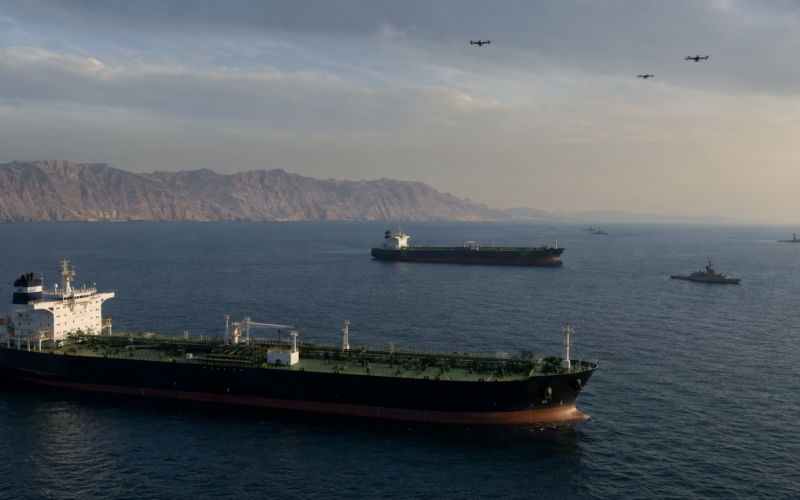
United States President Donald Trump and Pakistan Prime Minister Shehbaz Sharif said on June 13, 2026, that an initial agreement to end the war involving the United States and Iran could be signed on Sunday, even as Iran publicly questioned the timing and fresh military activity near the Strait of Hormuz underlined the fragility of the diplomatic push.
The possible deal would mark the most significant attempt yet to end the war that began on February 28, 2026, with United States and Israeli strikes on Iran. The conflict has killed thousands, pushed global energy prices sharply higher and turned the Strait of Hormuz into the central pressure point between military escalation and diplomatic compromise.
Donald Trump said the agreement with Iran was scheduled to be signed on Sunday and that the Strait of Hormuz would be opened to all immediately after signing. Shehbaz Sharif said the United States and Iran had agreed on a framework for a peace deal, with Pakistan preparing for an electronic signing and technical-level talks expected next week.
Iran’s Foreign Ministry spokesperson Esmaeil Baghaei cautioned that the signing would not happen as quickly as Washington and Islamabad had suggested. Iran did not rule out a signing in the coming days, but Tehran’s position showed that the diplomatic breakthrough remained vulnerable to timing, sequencing and unresolved terms.
The uncertainty came hours after United States forces shot down multiple Iranian one way attack drones near the Strait of Hormuz. United States Central Command said the drones had threatened commercial vessels, while the waterway remained open for transit. The incident showed how quickly the military environment could collide with a proposed diplomatic settlement.
Why is the proposed United States and Iran peace deal centred on the Strait of Hormuz?
The proposed United States and Iran peace deal is centred on the Strait of Hormuz because the waterway has become both the military flashpoint and the economic lever in the conflict. The Strait of Hormuz is one of the world’s most important oil transit routes, and any disruption there affects energy security far beyond the Gulf.
The draft framework under discussion calls for Iran to reopen the Strait of Hormuz and for the United States to lift its naval blockade on Iranian ports. That exchange sits at the heart of the initial agreement because both sides are using maritime control as a bargaining position. Iran has sought relief from economic pressure, while Washington has demanded restored shipping access through the strait.
For oil markets, the Strait of Hormuz issue is not a technical maritime dispute. It is a direct test of whether global crude flows can normalise after months of war. If the waterway is reopened under enforceable terms, the agreement could reduce pressure on energy prices. If the reopening is delayed or contested, the risk premium around Gulf shipping is likely to remain high.
The military incident involving Iranian drones also showed why shipping security remains central to the proposed agreement. Even as leaders spoke of a signing, United States forces were still intercepting threats near the same maritime corridor that the deal is supposed to stabilise.

How did Pakistan become central to the United States and Iran diplomatic process?
Pakistan has emerged as a central mediator in the United States and Iran diplomatic process by positioning itself as a channel between Washington and Tehran during a conflict that has drawn in military, energy and regional security interests. Shehbaz Sharif’s role is significant because Islamabad is presenting the deal as more than a ceasefire claim. Pakistan is describing it as a framework ready for electronic signing and follow-up technical talks.
Shehbaz Sharif said the two sides had agreed on a final framework and that Pakistan was preparing the next steps for signing. That statement gave Islamabad a visible diplomatic role at a moment when the United States and Iran remained divided over public messaging.
The Pakistani position also matters because the proposed agreement appears designed as a phased process. The first stage would focus on the Strait of Hormuz and the naval blockade. The next stage would involve technical talks on Iran’s nuclear programme, frozen assets, oil sanctions and other unresolved matters.
The diplomatic risk is that Pakistan’s timeline may not match Tehran’s internal decision-making. Iran’s public caution suggests that even if a broad framework exists, the final political sign-off may still depend on sequencing, guarantees and how Tehran explains the agreement domestically.
What unresolved issues could delay the United States and Iran peace agreement?
Several unresolved issues could delay the United States and Iran peace agreement, beginning with the timing of the signing itself. Washington and Islamabad indicated that a Sunday signing was expected, while Iran said the agreement would not be signed that soon. That difference is more than a scheduling dispute because it reflects deeper concerns over what each side believes has already been settled.
The nuclear programme remains the largest substantive issue. The United States wants the agreement to lead to the dismantling of Iran’s nuclear programme, including the destruction and removal of its highly enriched uranium stockpile. Iran has resisted that position and wants to retain uranium in diluted form.
Sanctions relief is another major obstacle. Draft terms include the release of billions of dollars in frozen Iranian assets and waivers on oil export sanctions in exchange for reopening the Strait of Hormuz. Iran has described the release of frozen assets as an integral part of the agreement, while the United States has framed relief as tied to Iranian compliance.
There are also competing claims around war reparations, missile limits and foreign military bases in the region. The United States has disputed some descriptions of those terms, while Iran has continued to press for broader regional concessions. These unresolved points explain why an initial memorandum may be easier to announce than a durable peace settlement.
Why does Israel’s position complicate the proposed United States and Iran memorandum?
Israel’s position complicates the proposed United States and Iran memorandum because Israel is not a party to the agreement, even though the war began with United States and Israeli strikes on Iran and has remained connected to conflict in Lebanon. Israeli Prime Minister Benjamin Netanyahu said Israel would not be part of the agreement.
That position creates an immediate implementation challenge. If the agreement is meant to end the broader war, it must either include understandings about Israel’s military actions or leave a major conflict track unresolved. Iran has suggested that the agreement would end the war in Lebanon, implying Israeli withdrawal from occupied areas. Israel’s defence minister has said Israel would not withdraw, while a senior Israeli official said Israel expects to retain freedom to act against threats.
This gap matters because a peace arrangement between Washington and Tehran may reduce direct United States and Iran escalation without fully ending the regional conflict. If Israel continues operations in Lebanon or retains freedom of action against Iran-aligned groups, Tehran may argue that the war has not truly ended.
For regional governments, the issue is whether the proposed memorandum can become a real de-escalation mechanism or whether it only pauses one front while leaving others active. That distinction will shape whether Gulf shipping, Lebanon’s security situation and Iran’s domestic politics stabilise after any signing.
How is Iran’s internal political climate shaping the peace deal debate?
Iran’s internal political climate is shaping the peace deal debate because the proposed agreement is arriving after months of war, leadership upheaval and public mobilisation. Former Supreme Leader Ayatollah Ali Khamenei was killed on the first day of the war, and Mojtaba Khamenei later replaced him as Supreme Leader. The funeral for Ayatollah Ali Khamenei is scheduled to begin in Tehran on July 4 and conclude with burial in Mashhad on July 9.
The leadership transition has added another layer to Iran’s decision-making. Mojtaba Khamenei’s authority, the role of the Islamic Revolutionary Guard Corps and the public framing of any compromise with the United States all matter to how Tehran handles the proposed agreement.
Pro-government rallies have continued across Iran for more than 100 nights, while reports from inside Iran have pointed to opposition from some voices who reject compromise with Washington. That domestic pressure helps explain why Esmaeil Baghaei urged caution on the signing timeline and why Iranian officials have avoided fully endorsing the United States and Pakistani timetable.
For Tehran, the agreement must be presented as a victory or at least as a controlled strategic move, not as a concession forced by military and economic pressure. That domestic messaging requirement could slow the signing process even if negotiators have reached broad terms.
What could the proposed deal mean for oil markets and global energy security?
The proposed deal could have immediate consequences for oil markets and global energy security because it links diplomacy directly to shipping access through the Strait of Hormuz. The war has already driven energy prices higher, and the blockade dynamics around Iranian ports have added pressure to crude supply expectations.
If Iran reopens the Strait of Hormuz and the United States lifts its naval blockade, energy traders would likely view the first stage of the agreement as a major reduction in physical supply risk. Even so, the drone incident near the waterway shows that shipping security cannot be restored by diplomatic wording alone.
The next test would be implementation. Commercial vessels, insurers, oil exporters and Gulf governments will watch whether traffic moves safely, whether demining or maritime security operations are required, and whether military forces reduce contact near the strait.
For global consumers and energy-dependent economies, the proposed agreement is important because the Strait of Hormuz is not a local route. It is a global energy artery. Any credible reopening would ease immediate fears, while any breakdown would deepen concerns that military escalation and energy disruption remain tightly linked.
What are the key takeaways from the United States and Iran peace deal push?
- United States President Donald Trump and Pakistan Prime Minister Shehbaz Sharif said on June 13, 2026, that an initial agreement to end the war involving the United States and Iran could be signed on Sunday.
- Iran’s Foreign Ministry spokesperson Esmaeil Baghaei questioned the proposed Sunday signing timeline, saying the agreement could still move forward in the coming days but cautioning against firm public claims on timing.
- The proposed agreement would focus first on reopening the Strait of Hormuz and lifting the United States naval blockade on Iranian ports, before moving into technical talks on harder issues.
- United States forces shot down multiple Iranian one way attack drones near the Strait of Hormuz, showing that military risk remains active even as diplomatic claims intensify around a possible deal.
- The nuclear programme remains a major unresolved issue, with the United States seeking dismantlement and removal of highly enriched uranium while Iran wants to retain uranium in diluted form.
- Israel is not a party to the proposed memorandum, creating uncertainty over whether a United States and Iran agreement can fully end conflict linked to Lebanon and Iran-aligned groups.
- Pakistan’s mediation role has become central to the diplomatic process, with Islamabad presenting itself as the organiser of an electronic signing and follow-up technical-level talks.
- The potential reopening of the Strait of Hormuz carries global energy implications because the waterway remains a critical oil transit route and a central source of market risk.
Discover more from Business-News-Today.com
Subscribe to get the latest posts sent to your email.