

The Union Cabinet of India, chaired by Prime Minister Narendra Modi, approved the Small Hydro Power Development Scheme on Wednesday, 18 March 2026, committing a total outlay of Rs 2,584.60 crore to the installation of small hydro power projects with an aggregate capacity of approximately 1,500 megawatts. The scheme will run across a five-year period from Financial Year 2026-27 to Financial Year 2030-31 and covers projects ranging from 1 megawatt to 25 megawatts in individual capacity.
Union Minister Ashwini Vaishnaw announced the Cabinet decision to reporters in New Delhi following the conclusion of the Cabinet meeting. Vaishnaw described the scheme as a significant development from an environmental perspective for India and confirmed that projects under the scheme would be developed exclusively as run-of-river systems, which do not require the construction of large dams and do not involve the displacement of local populations.
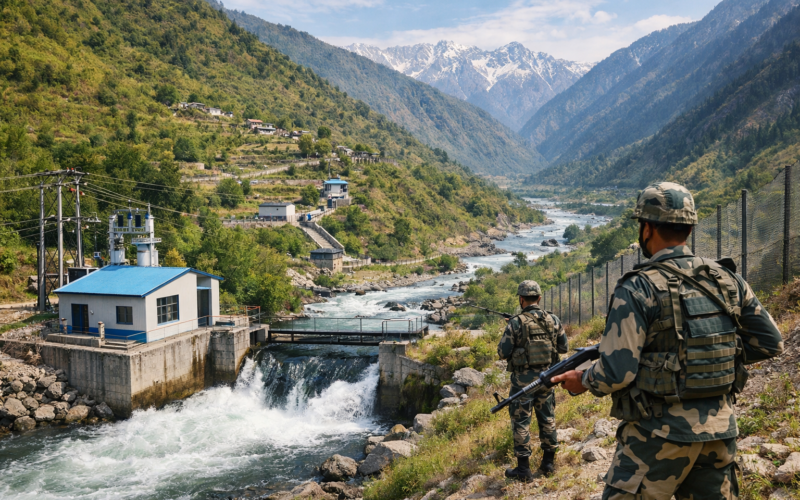
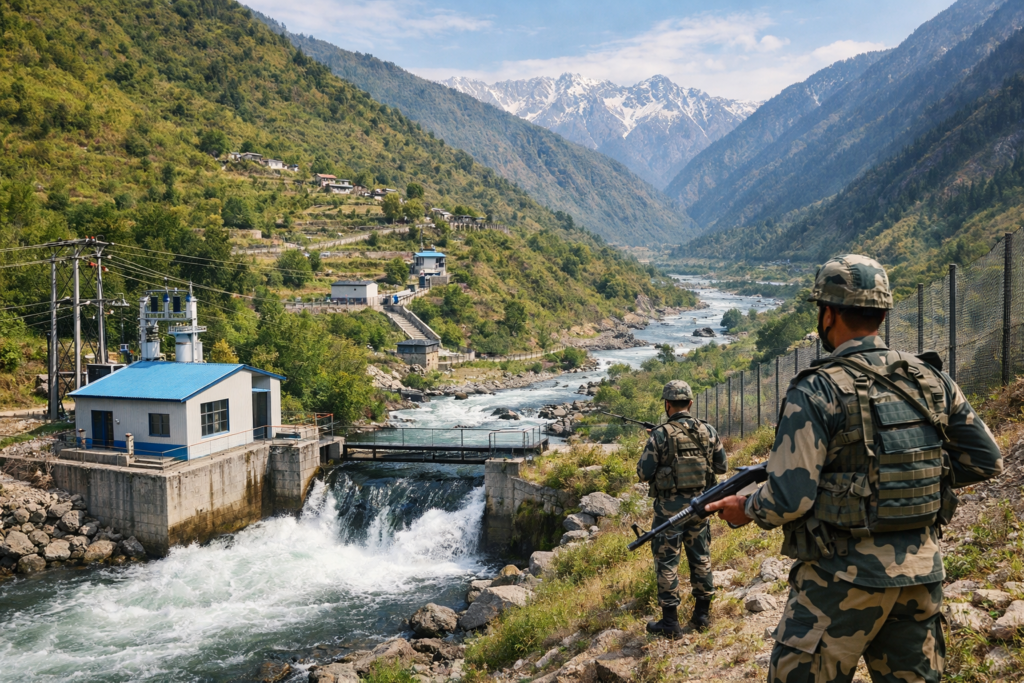
The government stated that India holds an estimated potential of 21,000 megawatts of small hydro power capacity distributed across 7,133 identified sites nationwide. Of this identified potential, approximately 5,100 megawatts is currently operational at 1,196 locations across the country. The new scheme is intended to accelerate the exploitation of this remaining untapped potential, particularly in hilly regions, the North Eastern states, and districts situated along India’s international borders.
What financial assistance will the Indian government provide under the Small Hydro Power Development Scheme for projects in North Eastern states and border districts
The scheme establishes a differentiated central financial assistance structure based on geographic location. For projects in the North Eastern states and in districts with international borders, the central government will provide financial assistance of up to Rs 3.6 crore per megawatt or 30 per cent of the project cost, whichever is lower, subject to a ceiling of Rs 30 crore per project. For projects in all other states, central financial assistance is set at Rs 2.4 crore per megawatt or 20 per cent of the project cost, whichever is lower, with a ceiling of Rs 20 crore per project.
Of the total outlay of Rs 2,584.60 crore, an amount of Rs 2,532 crore has been specifically earmarked for project development support. A separate allocation of Rs 30 crore has been set aside to assist state governments and central government agencies in preparing detailed project reports for approximately 200 prospective small hydro power projects. This detailed project report support is intended to create a forward pipeline of identified and assessed projects ready for development in subsequent periods.
How does India’s Small Hydro Power Development Scheme aim to generate rural employment and promote socio-economic development in remote areas
The government estimates that the scheme will support 51 lakh person-days of employment during the construction phase of the projects. Beyond construction, the scheme is expected to generate sustained employment in the operation and maintenance of small hydro power installations, which by their nature are located predominantly in rural and remote areas where alternative employment opportunities are limited. The government noted that small hydro power projects typically have operational lifespans ranging from 40 to over 60 years, providing a basis for durable long-term employment in the regions where they are built.
The scheme also incorporates a domestic manufacturing requirement, specifying that 100 per cent of the plant and machinery for projects developed under the scheme must be sourced from indigenous suppliers. The government stated that this requirement fulfils the objectives of the Atmanirbhar Bharat initiative, the government’s programme for advancing self-reliance in industrial and manufacturing sectors. The scheme is expected to catalyse total investment of approximately Rs 15,000 crore in the small hydro sector, significantly leveraging the public financial commitment of Rs 2,584.60 crore.
Why are run-of-river small hydro power projects considered environmentally sustainable compared to large dam-based hydroelectric schemes in India
Run-of-river small hydro power projects are distinguished by their avoidance of large-scale reservoir construction, which eliminates the need for large-scale land acquisition, deforestation, and the displacement of communities that have historically accompanied the development of large dam-based hydroelectric infrastructure. The government confirmed that all projects developed under the Small Hydro Power Development Scheme will follow the run-of-river model, generating electricity from the natural flow of rivers and streams without impounding water in major reservoirs.
The decentralised character of small hydro power projects also reduces dependence on long-distance transmission infrastructure. Because projects are located close to the communities they serve, transmission line requirements are minimal, which correspondingly reduces transmission losses and supports reliable electricity supply in areas that may be difficult to serve through extended national grid connections. The government indicated that these attributes make small hydro power a particularly appropriate technology for remote and hilly terrain in states across northern, northeastern, and hill regions of India.
How does the Small Hydro Power Development Scheme fit within India’s broader target of 500 GW non-fossil fuel energy capacity by 2030 under its Paris Agreement commitments
India has committed under its Nationally Determined Contributions to the Paris Agreement to achieve 500 gigawatts of non-fossil fuel power capacity by 2030 and to source 50 per cent of its cumulative electric power capacity from non-fossil fuel sources by the same year. India crossed the 50 per cent non-fossil fuel installed capacity milestone in June 2025, five years ahead of its stated target, and reported total non-fossil fuel installed capacity of approximately 262.74 gigawatts as of November 2025, representing 51.5 per cent of total installed electricity capacity of 509.64 gigawatts.
Within this broader non-fossil fuel portfolio, small hydro power has historically expanded at a modest pace relative to solar and wind energy. Small hydro power capacity grew from approximately 3.80 gigawatts in 2014 to approximately 5.10 gigawatts by June 2025, an increase substantially smaller than the growth recorded in solar and wind during the same period. The approved Small Hydro Power Development Scheme, by targeting an additional 1,500 megawatts over the five years to Financial Year 2030-31, represents a policy intervention specifically designed to accelerate development in a segment of India’s renewable energy portfolio that has lagged behind the country’s other clean energy verticals.
What is the strategic significance of higher central financial assistance for small hydro projects in Jammu and Kashmir, Ladakh, and districts along India’s international borders
The scheme’s provision of higher central financial assistance for projects in North Eastern states and districts with international borders carries strategic dimensions beyond clean energy generation. In the Union Territories of Jammu and Kashmir and Ladakh, the development of small hydro power projects is seen as a means of reducing dependence on purchased power. Jammu and Kashmir has been reported to spend an estimated Rs 8,254 crore annually on electricity procurement, reflecting the financial burden of the region’s current electricity supply situation.
Jammu and Kashmir and Ladakh contain extensive water resources in the form of rivers, streams, and tributaries that flow from the Himalayan ranges. The utilisation of these water resources for small hydro power generation would allow the region to harness locally available renewable energy rather than relying on power imported from other regions. The development of energy infrastructure in border districts and in the North Eastern states also contributes to the broader objective of improving connectivity, economic development, and infrastructure quality in strategically important areas of the country.
How does the detailed project report allocation under the scheme create a development pipeline for future small hydro power capacity in India
The allocation of Rs 30 crore specifically for the preparation of detailed project reports for approximately 200 identified small hydro power sites reflects a structured approach to maintaining continuity of project development beyond the current scheme period. Detailed project reports are a prerequisite for project approval, financing, and construction commencement for infrastructure projects of this nature. By incentivising state governments and central government agencies to complete detailed project reports in advance, the scheme seeks to ensure that a substantial pipeline of assessed and documented projects is available for development in subsequent policy and funding cycles.
India’s identified potential of 21,000 megawatts at 7,133 small hydro power sites represents a substantial resource that remains largely undeveloped relative to the country’s solar and wind energy sectors. With 5,100 megawatts currently operational and a further 1,500 megawatts targeted under the approved scheme, approximately 14,400 megawatts of identified potential would remain unaddressed at the conclusion of the current scheme period, underscoring the rationale for proactive project preparation to support future development phases.
Key takeaways on what India’s Small Hydro Power Development Scheme approval means for clean energy, rural employment, and regional energy security
- The Union Cabinet of India approved the Small Hydro Power Development Scheme on 18 March 2026 with a total outlay of Rs 2,584.60 crore, targeting the installation of approximately 1,500 megawatts of small hydro power capacity across Financial Years 2026-27 to 2030-31.
- The scheme provides differentiated central financial assistance, with higher support of up to Rs 3.6 crore per megawatt or 30 per cent of project cost for North Eastern states and international border districts, and Rs 2.4 crore per megawatt or 20 per cent of project cost for other states.
- All projects will be developed as run-of-river systems, avoiding large dam construction, land acquisition, deforestation, and community displacement, and will source 100 per cent of plant and machinery from Indian suppliers under Atmanirbhar Bharat requirements.
- The scheme is projected to catalyse approximately Rs 15,000 crore in total investment in the small hydro sector and generate 51 lakh person-days of employment during construction, with sustained employment in operations and maintenance across rural and remote locations.
- The scheme addresses a segment of India’s renewable energy portfolio that has grown modestly from approximately 3.80 gigawatts in 2014 to 5.10 gigawatts by mid-2025, while India’s overall non-fossil fuel capacity crossed 262 gigawatts as of November 2025, representing 51.5 per cent of total installed electricity capacity.
Discover more from Business-News-Today.com
Subscribe to get the latest posts sent to your email.