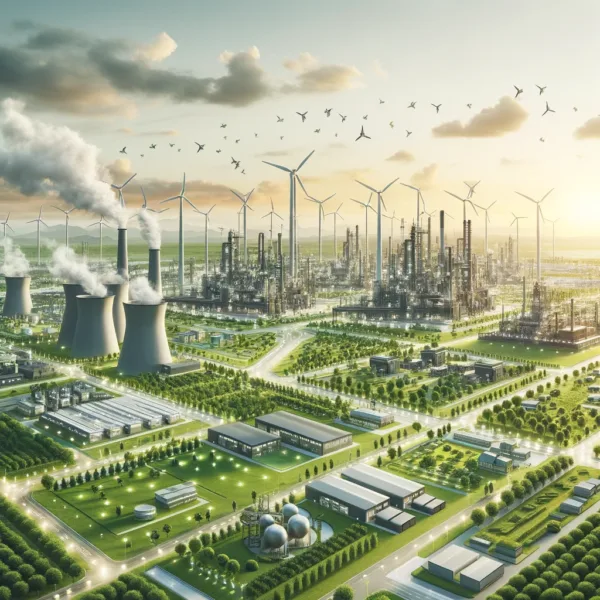


Export-focused hydrogen projects are swiftly gaining momentum in Latin America as nations like Chile, Brazil, Argentina, and Uruguay vie for a leading position in the green hydrogen boom. Analysts emphasize that strategic partnerships, regulatory clarity, and investment in electrolyzer technology could determine who emerges as the region’s top hydrogen exporter. Institutional investors are reportedly tracking planned pipeline projects worth more than $30 billion across the region, signaling confidence amid global energy transition trends.
Since the late 2010s, Latin America has stepped onto the green hydrogen stage, leveraging abundant renewable resources and access to export markets. Early agreements with European and Asian buyers marked the region’s entry, but recent announcements suggest a shift from concept to commercialization.

How are Latin American countries positioning themselves to become green hydrogen export leaders and attract global investment?
In recent months, the Republic of Chile has taken the lead by introducing its National Green Hydrogen Strategy and issuing several renewable energy tender rounds tied directly to hydrogen projects. The electric utility developer in northern Chile recently secured a 15‑year offtake deal under which green hydrogen will be exported to Germany. This strategy builds on Chile’s solar and wind-rich northern regions and the company’s coastal port infrastructure.
Brazil has responded with a separate auction targeting hydrogen hubs near its northeastern coast, where electrolyzer facilities are to be co‑located with existing sugarcane ethanol plants. This leverages existing logistics and positions Brazil to produce both green and biogenic hydrogen. Government documents show proposed subsidies of up to $0.03 per kilogram for hydrogen produced during off‑peak hours, according to publicly available filings.
Argentina and Uruguay are focusing on green ammonia tied to agricultural exports. Uruguay’s first commercial-scale green ammonia facility—backed by European clean energy funds—started construction in early 2025, according to the company’s investor presentation. Analysts suggest this signals institutional investors are growing more comfortable with Latin America’s project execution and regulatory pace.
What financial scale and institutional investor sentiment are informing green hydrogen project development in Latin America?
Planned green hydrogen projects in the region are estimated to require more than $30 billion in cumulative upfront capital investment, based on industry estimates. Chile alone is expected to build over 5 gigawatts of electrolysis capacity by 2030, which could command approximately $12 billion in equipment and development costs. Brazil’s east‑coast hub initiative may add another $8 billion in capex by the end of the decade.
Institutional investors monitoring infrastructure returns view green hydrogen as the next generation of energy-export assets. Several pension fund consortiums and development banks are reportedly in advanced discussions to co‑finance multi‑gigawatt hydrogen corridors, with terms that include preferred equity treatment under renewable portfolio mandates. Market observers believe this positions Latin America as a viable alternative to Gulf red hydrogen and North American blue hydrogen projects.
How are regulatory frameworks and export infrastructure shaping the viability of hydrogen hubs across Latin America?
Chile’s green hydrogen strategy includes regulatory mechanisms like guaranteed grid access and integration of hydrogen-specific rights-of-way in its national energy grid planning. As per publicly available filings, the Chilean government will allocate 200 megawatts of grid capacity annually exclusively for hydrogen projects through 2028. This suggests the government is aiming to prevent electricity curtailment during peak export periods.
Brazil’s approach ties future hydrogen auctions to its domestic renewable energy trading platform, creating potential for blended RECs and green hydrogen credits. Analysts estimate this could effectively reduce production costs by up to 15% compared to standalone projects. By contrast, Argentina and Uruguay are streamlining permitting steps, with Uruguay issuing its first electrolyzer licence within six months—a pace seen as competitive by market observers.
What are the potential challenges and competitive risks for Latin America’s emerging hydrogen export plans?
Despite its advantages, Latin America’s hydrogen export ambitions face several hurdles. Export infrastructure bottlenecks, such as limited liquefied hydrogen or ammonia ports, could delay supply often arriving in 2027–2028, according to project developers. Long‑distance transmission lines for electrolyzer plants located inland may require additional grid investments not yet fully financed.
Analysts also note that hydrogen pricing competitiveness hinges on cost curves for electrolyzers, which are currently trading above $600 per kilowatt for utility‑scale modules. Institutional investors monitoring component supply chains caution that cost reductions are material but may lag behind North American and European peers. Market observers believe that unless production can reach below $2 per kilogram delivered, buyers in Asia and Europe may opt for closer or cheaper alternatives.
What is the outlook for green hydrogen exports from Latin America and how might investor interest evolve in the next five years?
The outlook for green hydrogen exports from Latin America is shaped by a phased growth strategy, evolving regulatory incentives, and investor appetite for high-yield clean energy infrastructure. Analysts expect the first phase, running from 2025 to 2030, to center on rapid capacity additions of 5 to 10 gigawatts, primarily in Chile, Brazil, and Uruguay. This early wave will rely heavily on multi-billion-dollar institutional finance backed by government guarantees, as sovereign entities seek to de-risk capital inflows for first-mover projects. Chile’s National Green Hydrogen Strategy alone outlines more than 40 early-stage projects, with several targeting final investment decisions by 2027.
The second phase, projected between 2030 and 2040, is expected to shift focus from domestic production to export logistics and supply-chain integration with Europe and Asia. Market observers believe this stage will be defined by investments in ammonia terminals, liquefaction plants, and specialized shipping fleets, positioning Latin American producers to compete with established exporters in the Middle East and Australia. Brazil’s northeastern port authorities are already exploring joint ventures with Japanese trading houses to retrofit existing ethanol export terminals for hydrogen derivatives, a move analysts view as an early signal of infrastructure readiness.
From a financial standpoint, industry estimates suggest that median returns on equity for well-structured green hydrogen projects could range from 10% to 14% internal rates of return (IRR), making the sector attractive to infrastructure funds and pension consortiums seeking climate-aligned assets. Institutional investors are particularly drawn to the long-term offtake contracts being negotiated with European and Asian utilities, which provide revenue visibility for 15 to 20 years. These contracts, often denominated in euros or dollars, could shield investors from regional currency fluctuations, further enhancing risk-adjusted returns.
Market observers believe that the successful commissioning of first-mover plants in Chile and Uruguay between 2027 and 2029 will be critical in establishing Latin America as a credible exporter. If these projects achieve production costs below $2 per kilogram, as targeted in several feasibility studies, analysts expect a surge in private equity and sovereign wealth fund participation, mirroring the capital flows seen in large-scale solar and wind projects over the past decade.
Longer term, analysts forecast growing interest from commodity traders and oil and gas majors diversifying into low-carbon energy. With energy transition targets tightening globally, Latin America’s abundant renewable resources and competitive labor and land costs could position it as a preferred green hydrogen supplier for industrial buyers in Germany, Japan, and South Korea. Market sentiment suggests that by 2035, Latin American hydrogen exports could represent up to 10% of global traded volumes if planned projects and supporting infrastructure are executed on schedule.
Discover more from Business-News-Today.com
Subscribe to get the latest posts sent to your email.