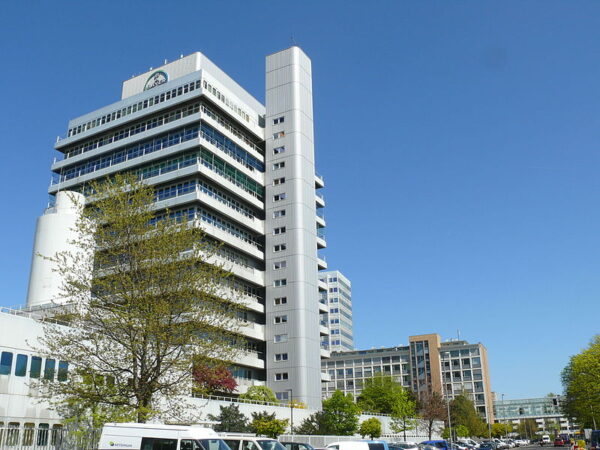


Nebius Group has received local government approval to build a 1.2 gigawatt artificial intelligence computing campus in Independence, Missouri, marking one of the largest proposed AI-focused data center developments in the United States. The approval allows Nebius Group to advance plans for a large-scale “AI factory” designed to host massive clusters of graphics processing units used to train and operate advanced artificial intelligence systems. The project represents a multibillion-dollar infrastructure investment that could significantly expand Nebius Group’s artificial intelligence cloud capabilities in North America. The decision also highlights how the competition to build high-capacity AI infrastructure is shifting toward regions capable of supporting massive electricity demand and large industrial-scale computing facilities.
The announcement arrives at a moment when artificial intelligence development is pushing the global data center industry into an entirely new phase. Training large models now requires enormous computing clusters, and companies are racing to build specialized facilities capable of supporting these workloads. The Missouri project signals that artificial intelligence infrastructure is rapidly becoming one of the defining investment themes of the technology sector.
Why are gigawatt-scale artificial intelligence data centers emerging as the next frontier in global cloud computing infrastructure?
Artificial intelligence has dramatically changed the economics and physical requirements of data center development. Earlier generations of cloud computing facilities were designed to handle a wide mix of enterprise workloads such as storage, web hosting, and corporate software services. These systems typically operated at scales measured in tens of megawatts of electricity.
The rapid rise of generative artificial intelligence has altered that equation. Training large language models and advanced machine learning systems requires thousands of specialized processors operating simultaneously. These processors consume vast amounts of electricity and generate substantial heat, forcing data center operators to rethink facility design.
As artificial intelligence models grow larger and more complex, the computing clusters used to train them must expand accordingly. That expansion has pushed infrastructure developers toward data center campuses capable of supporting hundreds of megawatts and, increasingly, gigawatt-scale electricity consumption.
Nebius Group’s Missouri AI factory illustrates this new generation of computing infrastructure. Instead of a conventional cloud facility serving many small workloads, the campus is designed to concentrate enormous computing capacity in one location. Such facilities allow operators to deploy massive clusters of artificial intelligence hardware capable of training next-generation models at industrial scale.

This shift toward extremely large computing campuses is reshaping the global cloud infrastructure landscape. Companies capable of building and operating these facilities will control the computing power required to train and deploy future artificial intelligence systems.
How does the Missouri AI factory strengthen Nebius Group’s strategy in the artificial intelligence cloud infrastructure market?
Nebius Group has positioned itself as a specialized cloud provider focused heavily on artificial intelligence computing workloads. Unlike many traditional cloud platforms that serve a broad range of enterprise software needs, Nebius Group’s infrastructure strategy centers on high-performance computing environments designed specifically for machine learning development.
The Missouri AI factory represents a significant expansion of Nebius Group’s infrastructure footprint in the United States. By establishing a gigawatt-scale campus capable of supporting large GPU clusters, the company can offer customers access to enormous computing capacity without requiring them to build their own data centers.
For artificial intelligence developers, access to large clusters of advanced processors has become one of the most important constraints in model development. Many technology startups and enterprise teams lack the financial resources or operational expertise to construct their own computing facilities.
By providing shared access to large-scale artificial intelligence computing resources, Nebius Group aims to position itself as an infrastructure partner for organizations developing new machine learning applications. The Missouri project therefore represents more than a real estate investment. It reflects a strategic effort to capture growing demand for artificial intelligence training capacity.
Why Missouri and the Kansas City region are becoming attractive locations for hyperscale artificial intelligence infrastructure
Location decisions for hyperscale data centers are increasingly determined by access to reliable power, large land parcels, and supportive regulatory frameworks. The Kansas City metropolitan area and surrounding regions of Missouri have emerged as attractive locations for large infrastructure projects because they offer these advantages.
The region provides access to substantial electricity supply through local utilities and regional transmission networks. Artificial intelligence data centers require stable power delivery and long-term capacity planning, making grid reliability a crucial factor in site selection.
Missouri also offers extensive land availability compared with coastal technology hubs where real estate costs and zoning constraints limit large-scale development. Gigawatt-scale computing campuses require hundreds of acres of land to accommodate server buildings, cooling infrastructure, substations, and supporting facilities.
Another factor is network connectivity. The central United States location provides favorable connectivity routes for cloud networks serving customers across North America. Data traveling between major metropolitan regions can pass through central network hubs, reducing latency and improving service performance.
Local economic development incentives have also played a role in attracting technology investment. Municipal governments often offer tax incentives or infrastructure support to encourage large companies to build facilities that generate construction activity and long-term economic growth.
The combination of energy availability, land capacity, and infrastructure connectivity has therefore made Missouri an increasingly competitive destination for large-scale technology infrastructure projects.
What operational challenges and infrastructure risks could affect the development of the Missouri artificial intelligence campus?
Despite the strategic appeal of gigawatt-scale data centers, projects of this magnitude involve substantial operational and execution challenges.
Electricity supply remains the most critical constraint. Delivering more than a gigawatt of power to a single campus requires extensive coordination with regional utilities and transmission operators. Upgrades to substations, transmission lines, and grid infrastructure may be necessary to ensure stable power delivery.
Cooling systems represent another complex engineering requirement. Artificial intelligence processors generate significant heat during operation. Maintaining stable operating temperatures requires advanced cooling technologies that balance efficiency, cost, and environmental impact.
Water usage is also an issue in some data center projects. Certain cooling technologies rely on water-based systems that can raise concerns among local communities, particularly in regions facing water resource constraints. Operators must therefore design systems that minimize water consumption while maintaining effective cooling performance.
Community concerns can also influence project timelines. Large data centers bring construction activity and economic investment, but they also introduce questions about land use, electricity demand, and environmental effects. Public debate around these issues has become increasingly common as artificial intelligence infrastructure expands.
Nebius Group will therefore need to navigate both engineering and community considerations as it develops the Missouri campus.
How the rise of AI factories is reshaping competition between specialized cloud providers and hyperscale technology companies
The development of large AI factories highlights an emerging shift in the cloud computing market. For more than a decade, global cloud infrastructure has been dominated by large hyperscale providers such as Amazon Web Services, Microsoft Corporation, and Alphabet Inc. through its Google Cloud division.
These companies operate enormous global data center networks that support enterprise software services, web hosting, storage, and artificial intelligence workloads.
However, the rapid growth of artificial intelligence applications has opened opportunities for specialized infrastructure providers that focus exclusively on high-performance computing.
Nebius Group’s AI factory strategy represents one such approach. By concentrating resources on facilities optimized for machine learning workloads, the company aims to deliver computing environments tailored specifically to artificial intelligence developers.
This specialization may provide advantages in efficiency, performance optimization, and hardware deployment strategies. Companies building large AI models often prefer infrastructure environments designed specifically for training workloads rather than shared cloud platforms with mixed usage patterns.
If the demand for large-scale artificial intelligence computing continues to grow at its current pace, specialized providers such as Nebius Group could become important players alongside traditional hyperscale cloud platforms.
What the Missouri artificial intelligence factory reveals about the future of global computing infrastructure
The approval of Nebius Group’s 1.2 gigawatt artificial intelligence campus signals that the future of computing infrastructure may increasingly resemble heavy industrial development.
Artificial intelligence infrastructure projects now require enormous capital investment, access to energy resources, and long-term infrastructure planning. These characteristics resemble large industrial projects more commonly associated with manufacturing, energy production, or semiconductor fabrication.
As artificial intelligence becomes integrated into business operations across industries, demand for computing capacity will likely continue to grow. Organizations deploying generative artificial intelligence systems, autonomous technologies, and advanced analytics require access to powerful computing environments capable of processing large volumes of data.
Infrastructure developers are responding by building facilities capable of hosting unprecedented levels of computing power.
The Missouri AI factory therefore represents more than a single project. It reflects the broader transformation of digital infrastructure into a strategic industrial asset that could influence technological leadership in the coming decades.
What are the keytakeaways on what Nebius Group’s Missouri AI factory means for the artificial intelligence infrastructure industry?
• Nebius Group’s approval to build a 1.2 gigawatt artificial intelligence factory represents one of the largest AI-focused data center developments proposed in the United States.
• Gigawatt-scale data centers demonstrate how artificial intelligence workloads are dramatically increasing the electricity and infrastructure requirements of modern computing.
• The Missouri campus strengthens Nebius Group’s strategy of building specialized artificial intelligence cloud infrastructure rather than general-purpose enterprise cloud platforms.
• Regions with strong electricity supply, available land, and supportive economic development policies are becoming prime locations for next-generation artificial intelligence data centers.
• The project highlights the growing importance of physical infrastructure in the global artificial intelligence race. Access to computing capacity may determine technological leadership.
• Hyperscale artificial intelligence campuses are creating new opportunities for specialized cloud providers to compete alongside major cloud platforms such as Amazon Web Services, Microsoft Corporation, and Alphabet Inc.
• Large infrastructure investments in artificial intelligence computing could stimulate regional economic development through construction activity and technology ecosystem growth.
• Electricity supply, cooling technology, and community acceptance represent key execution risks for gigawatt-scale data center projects.
• Artificial intelligence infrastructure is increasingly resembling heavy industrial development, requiring significant capital investment and long-term planning.
• The Missouri AI factory signals that the next phase of the artificial intelligence boom will be shaped as much by energy and infrastructure as by software innovation.
Discover more from Business-News-Today.com
Subscribe to get the latest posts sent to your email.