


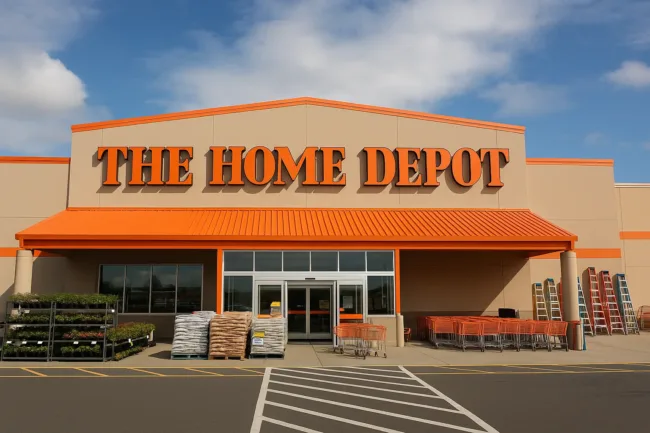
Why is early termination of the HSR Act waiting period important for Home Depot’s acquisition of GMS?
The Home Depot, Inc. (NYSE: HD) announced on August 21, 2025, that the U.S. Department of Justice had granted early termination of the waiting period under the Hart-Scott-Rodino (HSR) Antitrust Improvements Act in relation to its tender offer for GMS Inc. (NYSE: GMS). The approval marked a crucial step in clearing regulatory conditions tied to the home improvement retailer’s planned $8.1 billion acquisition of the construction materials distributor.
The deal involves The Home Depot purchasing all outstanding shares of GMS at USD 110 per share in cash, without interest, through its wholly owned subsidiary, Gold Acquisition Sub, Inc. The announcement follows the signing of a merger agreement on June 29, 2025, and signals momentum toward deal closure despite remaining competition-related approvals.
The expiration of the HSR waiting period satisfies one of the key conditions required before the transaction can move forward. However, the tender offer still depends on the expiration of review under Canada’s Competition Act and the tendering of a majority of GMS shares by the set expiration date.
What are the next steps in the tender offer timeline and how is the expiration structured?
According to Home Depot, the tender offer is scheduled to expire at one minute past 11:59 p.m. Eastern Time on August 22, 2025, unless extended or terminated earlier in line with SEC rules and the terms of the merger agreement. This deadline gives GMS shareholders limited time to decide whether to tender their shares into the all-cash offer.
The timeline reflects the typical structure of large-scale tender offers in the U.S. market, which often include a 20-business-day minimum offer period under SEC requirements. Home Depot emphasized that the expiration date could still be extended if regulatory or shareholder conditions remain unmet.
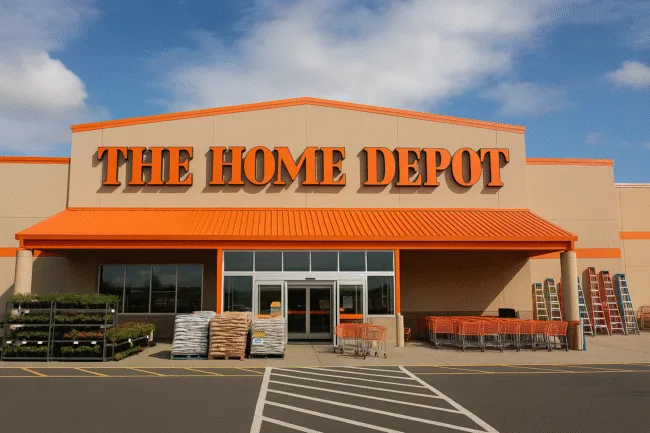
For investors, the early HSR termination helps reduce uncertainty but does not eliminate risks tied to Canadian regulatory clearance or overall shareholder participation levels.
How does this acquisition fit into Home Depot’s broader growth and distribution strategy?
Home Depot’s pursuit of GMS is strategically aligned with its efforts to expand deeper into professional and contractor-driven distribution. GMS, a leading North American distributor of wallboard, ceilings, steel framing, and complementary construction products, operates a broad logistics and branch network across the U.S. and Canada.
By acquiring GMS, Home Depot would significantly strengthen its ability to supply professional contractors, complementing its retail footprint of more than 2,353 stores, 800 branches, and 325 distribution centers. Analysts view the deal as part of a long-term shift in Home Depot’s strategy to balance DIY-focused sales with professional contractor and large project demand, a segment that has shown greater resilience during housing cycles.
Industry observers noted that the GMS acquisition could position Home Depot to better compete with Lowe’s Companies, Inc. and specialty distributors such as Builders FirstSource. The scale benefits in procurement, warehousing, and last-mile delivery are expected to improve Home Depot’s professional supply chain efficiency.
What are institutional investors saying about Home Depot’s acquisition of GMS?
Institutional sentiment toward the deal has been cautiously positive. Market participants pointed out that early HSR clearance reduced regulatory overhang, which is typically a key concern in large M&A transactions involving distribution networks.
Analysts highlighted that the USD 110 per share price represents a premium to GMS’s trading value at the time of announcement, reflecting Home Depot’s willingness to pay for synergies and long-term strategic benefits. While some investors remain focused on potential integration risks, particularly in aligning GMS’s systems and culture with Home Depot’s, the consensus points toward strong strategic rationale.
Shareholder approval will ultimately determine the outcome. If a majority of GMS stockholders tender shares by the deadline, Home Depot could close the deal swiftly. Conversely, weaker participation or unexpected regulatory developments in Canada could force delays.
Why does the Canadian Competition Act approval remain a key uncertainty for the transaction?
While U.S. clearance under the HSR Act is complete, Home Depot still needs approval under the Canadian Competition Act. Because GMS operates a substantial Canadian distribution network, regulators in Ottawa will assess whether the combination could reduce competition in key product segments such as wallboard or ceilings.
Canadian regulatory review has historically been less predictable than U.S. approvals in the construction materials sector, given regional market concentration concerns. Investors are watching closely to see whether the Bureau of Competition imposes conditions or requests divestitures as part of its approval process.
Analysts said that while the likelihood of outright rejection appears low, the timing of Canadian review remains uncertain, which could affect the tender offer’s closing schedule.
How does the transaction compare with broader M&A activity in the U.S. retail and distribution sector?
Home Depot’s move reflects a broader wave of consolidation in the U.S. retail and building materials space. Large retailers have increasingly turned to acquisitions to strengthen professional distribution and logistics capabilities amid rising competition and supply chain challenges.
The use of tender offers in high-value deals remains relatively rare compared to negotiated mergers but allows buyers to secure direct participation from shareholders. Institutional investors have described tender offers as efficient in situations where the acquirer is offering a strong cash premium and wishes to accelerate deal closure.
Market data from 2024 and early 2025 shows that building materials distributors have become attractive acquisition targets due to their role in stabilizing construction supply chains, particularly during periods of housing volatility and infrastructure investment.
What risks and challenges could affect the integration of GMS into Home Depot?
While Home Depot has experience integrating large acquisitions, the scale of GMS’s operations poses challenges. GMS operates a network of more than 300 distribution centers and employs thousands of staff across multiple regions. Integrating IT systems, supply chains, and contractor-facing operations will require significant planning and execution.
Institutional investors noted that cultural integration between a retail giant and a contractor-focused distributor could be complex. The potential for disruption in customer relationships, particularly among GMS’s contractor base, is another risk highlighted by analysts.
Home Depot’s management has emphasized that the acquisition will accelerate its interconnected retail and professional services strategy, but execution risks remain. Delays or cost overruns could weigh on Home Depot’s near-term financial performance.
What is the investor outlook for Home Depot and GMS as the deal progresses?
For Home Depot shareholders, the acquisition signals continued investment in long-term growth areas. Analysts suggested that the company’s inclusion in the Dow Jones Industrial Average and S&P 500 index means the deal will be closely watched for its impact on balance sheet leverage, dividend policy, and capital allocation.
For GMS shareholders, the all-cash USD 110 per share offer provides immediate value. However, some investors are evaluating whether additional competitive bids could emerge, although the signed merger agreement makes rival offers less likely.
Looking ahead, the investor community expects Home Depot to continue expanding its professional contractor services business. If the GMS acquisition closes smoothly, it could set a precedent for further consolidation in the distribution space.
Discover more from Business-News-Today.com
Subscribe to get the latest posts sent to your email.