




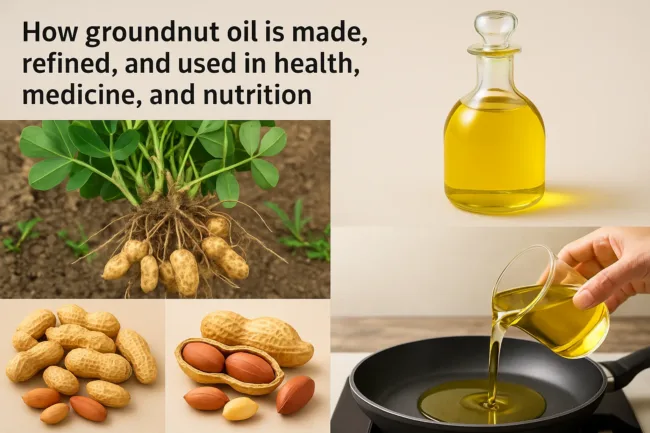
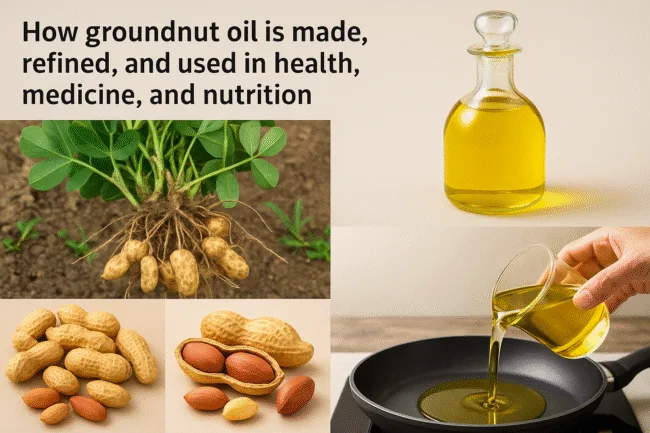
Groundnut oil—also known as peanut oil or arachis oil—is a fixed plant oil extracted from the seeds of Arachis hypogaea, a legume species belonging to the family Leguminosae. Widely grown in tropical and subtropical climates, this plant is native to Brazil but now extensively cultivated in India, China, the southern United States, and parts of Africa. Groundnut plants thrive in warm conditions with sandy, well-drained soil, and they yield underground pods containing the oil-rich seeds.
The oil derived from these seeds is prized not only for its nutritional profile but also for its utility in medicine, cosmetics, and manufacturing. It is characterized by its light yellow color, mild nutty aroma, and high oxidative stability, making it suitable for both culinary and pharmaceutical use.
How is peanut oil extracted and refined?
The process of extracting groundnut oil begins with harvesting and cleaning the mature peanut kernels. These kernels are then crushed using mechanical or hydraulic presses to release the fixed oil. There are two primary extraction methods: cold expression and hot expression. Cold-pressed oil retains most of its natural aroma and nutrients but yields less volume. In contrast, hot pressing involves heating the kernels before extraction, which increases yield but may alter flavor and antioxidant content.
Once the oil is extracted, it undergoes clarification to remove solid fats such as stearin. This is followed by filtration. To further purify the product, the oil is treated with adsorbents like fuller’s earth or activated carbon. This bleaching process removes residual colors, odors, and potentially harmful contaminants, including aflatoxins. The result is a clear, light, and shelf-stable oil suitable for multiple applications.
What are the key chemical compounds found in arachis oil?
Groundnut oil is composed mainly of triglycerides, which are formed from glycerol and various long-chain fatty acids. The dominant fatty acids present include oleic acid, linoleic acid, stearic acid, and arachidic acid. These compounds play crucial roles in maintaining heart health, cellular structure, and inflammatory balance.
Oleic acid, a monounsaturated fat, makes up the bulk of the oil’s composition and is known for its cholesterol-lowering effects. Linoleic acid, a polyunsaturated omega-6 fatty acid, contributes to skin health and immune response. Stearic and palmitic acids are saturated fats present in smaller amounts, while trace components such as lignoceric acid and arachidic acid help define the oil’s stability and texture.
Refined groundnut oil is also free of aflatoxins—carcinogenic compounds produced by fungal contamination. These are removed during the bleaching and filtering stages, making the final product safe for human consumption and medicinal use.
What are the medical and pharmaceutical uses of peanut oil?
One of the most significant roles of arachis oil in healthcare is its use as a vehicle for intramuscular injections. Its chemical inertness and compatibility with body tissues make it ideal for suspending fat-soluble drugs, including steroid formulations. The oil is absorbed slowly from the injection site, allowing for prolonged therapeutic action without causing irritation.
In dermatology, groundnut oil is used in the formulation of topical liniments and ointments, where it acts as an emollient. It provides a soothing effect on dry or irritated skin and enhances the absorption of active ingredients in medicinal plasters and creams. Some enema solutions also include arachis oil for its lubricating properties.
Due to its hypoallergenic potential when refined, peanut oil is favored in pharmaceutical bases, although caution is advised in individuals with severe peanut allergies, especially when using unrefined forms.
How is groundnut oil used in the food and cosmetic industries?
Groundnut oil’s mild taste and high smoke point make it an excellent choice for cooking, particularly for frying and sautéing. It resists oxidation and rancidity better than many other vegetable oils, which makes it popular in commercial kitchens and packaged food products. Unlike oils that degrade at high heat, peanut oil remains stable, producing fewer harmful free radicals.
In the cosmetic industry, the oil’s moisturizing properties make it valuable in products like lotions, conditioners, and body butters. Its ability to penetrate the skin without leaving a greasy residue allows for effective delivery of nutrients and antioxidants. Soap manufacturers also use peanut oil to produce firm, white bars that are gentle on the skin, combining cleansing power with skin conditioning.
The oil is occasionally used as a lubricant in machinery where food-grade safety is required, such as in food processing plants. Its biodegradable nature and low toxicity offer an environmentally friendly option in these settings.
What is peanut cake and how is it used after oil extraction?
After the oil has been extracted from peanut kernels, the leftover solid mass is called peanut cake or peanut oil meal. This byproduct is rich in crude proteins and serves as an excellent feedstock for livestock, particularly cattle and poultry. It contains essential amino acids, minerals, and fiber that contribute to animal growth and productivity.
In addition to being used as animal feed, peanut cake can be further refined to isolate its protein content for human food applications. Peanut protein isolates are used in protein bars, fortified flours, and meat alternatives. However, processing must eliminate allergens and contaminants to meet food safety standards.
Peanut cake is also used as an organic fertilizer in sustainable agriculture. Its nitrogen-rich profile helps improve soil fertility and promotes microbial activity, offering an eco-friendly alternative to synthetic fertilizers.
How is groundnut oil sometimes adulterated and how can it be detected?
Adulteration of peanut oil is a known concern in both domestic and commercial markets. To increase profit margins, some suppliers mix groundnut oil with cheaper alternatives such as cottonseed oil or sesame oil. While these adulterants may not always be harmful, they compromise the quality, nutritional value, and safety of the product.
Cottonseed oil can introduce gossypol, a toxic compound that affects liver and reproductive health in high concentrations. Sesame oil, while generally safe, can trigger allergies or affect the pharmacological use of peanut oil in sensitive formulations. Adulteration also disrupts the fatty acid balance, reducing the oil’s health benefits.
Detection techniques include gas chromatography, refractive index testing, and spectrophotometric analysis, which help identify impurities and confirm oil authenticity. Consumers are advised to purchase oil from reputable sources and to look for certifications of purity and quality testing.
How does peanut oil support heart health and nutrition?
Peanut oil contributes positively to cardiovascular health, largely due to its high content of monounsaturated fats, particularly oleic acid. These fats have been shown to lower LDL (bad cholesterol) levels while maintaining or even raising HDL (good cholesterol), reducing the risk of heart disease and stroke.
The oil also contains natural antioxidants such as vitamin E (tocopherol), which protects cells from oxidative damage and supports skin and immune health. While not a primary source of vitamins, groundnut oil can play a supporting role in a balanced diet, particularly when used in moderation as a substitute for saturated fats like butter or palm oil.
Because of its high smoke point, peanut oil is considered safer for high-temperature cooking methods. It generates fewer trans fats and harmful oxidation products compared to less stable oils like soybean or sunflower oil.
Is peanut oil safe for people with allergies?
While refined peanut oil is typically safe for individuals with peanut allergies—since the allergenic proteins are removed during processing—unrefined or cold-pressed peanut oil may still contain trace proteins that can trigger allergic reactions. These can range from mild symptoms like skin rashes to severe responses such as anaphylaxis.
People with known peanut allergies should consult with healthcare professionals before consuming or using any form of groundnut oil, especially in topical or medicinal products. Food labeling regulations in many countries require clear indication when peanut oil is present, helping consumers make informed decisions.
Why is groundnut oil still relevant in modern medicine and nutrition?
In an era increasingly focused on plant-based health solutions and functional nutrition, groundnut oil continues to stand out for its versatility, safety, and nutritional value. Whether used as a cooking staple, a base for injections, or a raw material for personal care products, its applications are rooted in both traditional practices and modern scientific validation.
Its stable fatty acid profile and antioxidant content make it suitable for cardiovascular health, while its utility in pharmaceuticals and cosmetics underscores its role in daily wellness. As long as the oil is properly refined and responsibly sourced, groundnut oil remains a scientifically sound, multipurpose option for both personal health and industrial use.
Discover more from Business-News-Today.com
Subscribe to get the latest posts sent to your email.



