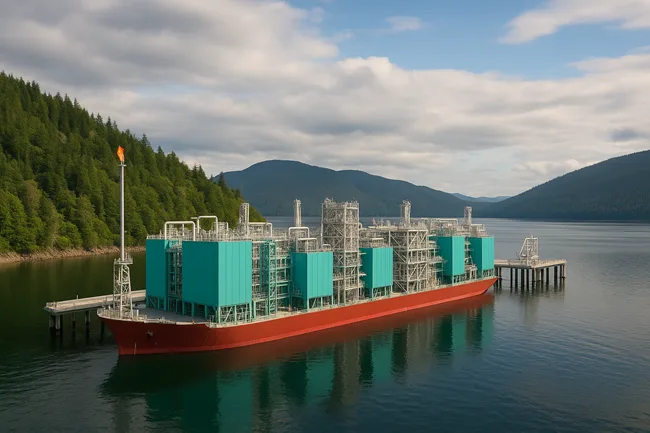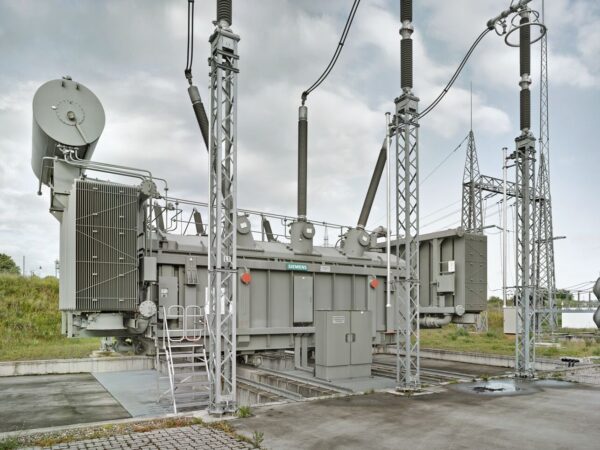




Fluence Energy, Inc. (NASDAQ: FLNC), a grid-scale battery storage company with roots as a joint venture between Siemens and AES Corporation, saw its shares spike as much as 50 percent in a single session, one of its sharpest moves ever, on news tying it to the artificial intelligence data center boom. The catalyst was twofold: Siemens published a reference design for an Nvidia AI data center system that incorporates Fluence Energy’s SmartStack battery storage as part of the electrical architecture, and the company disclosed new master service agreements with two major hyperscale data center operators alongside a record order backlog reported around 10.1 billion dollars. The combination repositioned Fluence Energy in investors’ minds from a renewable energy infrastructure name into a direct beneficiary of the power-hungry AI buildout. The stock, which had been trading in the mid-20s, jumped well above its average analyst price target on enormous volume. Yet beneath the euphoria sit pointed questions about whether the move reflects firm revenue or merely the promise of it.
What drove Fluence Energy’s surge on the Siemens and Nvidia AI data center design?
The headline catalyst was a design win, or at least the appearance of one. Siemens published a reference architecture for an Nvidia AI data center system that includes Fluence Energy’s SmartStack battery energy storage system as part of the electrical setup. Being named in a blueprint co-developed with two of the most important companies in the AI infrastructure chain instantly validated Fluence Energy’s relevance to the sector capturing the most investor attention.
The strategic logic is that AI data centers need enormous, stable power. These facilities draw immense electricity loads with sharp spikes, and battery storage can buffer demand, smooth power delivery, and support grid stability, making energy storage an enabling technology for AI computing rather than a peripheral one. Fluence Energy’s inclusion in a recognized reference design signals that its SmartStack product is being considered for exactly this role.
The market response was amplified by positioning. Trading volume spiked far above normal as both institutional and retail investors piled in, and the move was likely intensified by the stock’s high short interest, which can force short sellers to buy back shares and accelerate a rally. The result was a dramatic single-day surge that reflected a wholesale reassessment of where Fluence Energy fits in the AI narrative.
How do hyperscaler master service agreements and a record backlog support the rally?
Beyond the reference design, there was tangible commercial news. Fluence Energy disclosed new master service agreements with two major hyperscale data center operators, the kind of large cloud and AI companies building out capacity at scale. Master service agreements establish a framework for ongoing business, signaling that hyperscalers see Fluence Energy as a credible supplier of storage infrastructure.
The backlog figure reinforced the demand story. Fluence Energy pointed to a record order backlog reported around 10.1 billion dollars, a large number relative to its size that suggests substantial contracted future work. A backlog of that magnitude provides revenue visibility and is the kind of metric that lets management reaffirm its full-year outlook even after a prior quarterly revenue miss.
The guidance reaffirmation mattered for sentiment. By maintaining its full-year revenue outlook despite the earlier miss, Fluence Energy signaled confidence that demand remains intact and that the shortfall was a timing issue rather than a deterioration in its business. Analysts largely stayed positive on the company following the news, and the combination of hyperscaler agreements, a record backlog, and reaffirmed guidance gave the rally a foundation beyond the reference-design headline alone.
Why do skeptics warn the Fluence Energy spike may not be built on firm orders?
The central caution is that a reference design is not a purchase order. The Siemens and Nvidia architecture is a blueprint of what AI data centers could look like, not a binding commitment to buy Fluence Energy’s storage, which means the market may be pricing in revenue that has not yet been contracted. Hyperscalers could adopt the broader electrical architecture while sourcing battery storage from a different supplier.
Fluence Energy’s role in the partnership is also supporting rather than central. In the Siemens and Nvidia design, the two larger companies are the stars, and Fluence Energy supplies one component, the battery storage, within a much bigger system. That positioning leaves it exposed to being substituted, and it does not command the pricing power or strategic indispensability that the stock’s reaction might imply.
The execution and financial concerns are concrete. Fluence Energy remains unprofitable, with negative net income and negative free cash flow over the trailing year as it burns cash, and a backlog only creates value if it converts into delivered, profitable revenue. The prior quarterly revenue miss is a reminder that conversion is not guaranteed, and a portion of the surge may reflect a short squeeze rather than a durable re-rating of the underlying business.
How does AI data center power demand reshape the energy storage investment case?
The bigger picture is a genuine structural shift. The explosive growth of AI computing is driving unprecedented electricity demand, straining grids and forcing data center operators to secure reliable, flexible power. Battery energy storage has emerged as a critical tool for managing that load, buffering peaks, integrating renewable supply, and providing backup, which expands the addressable market for storage providers well beyond traditional utility applications.
This dynamic links the clean energy and AI investment themes. Energy storage was previously valued mainly on the renewable transition, but AI data center demand adds a powerful new growth vector that commands higher investor enthusiasm. Companies that can credibly position themselves at the intersection of storage and AI power infrastructure, as Fluence Energy is attempting to do, can attract the premium valuations the market assigns to AI beneficiaries.
The competitive implication is that the prize is large but contested. The same demand drawing attention to Fluence Energy is attracting utilities, established storage manufacturers, and new entrants, all seeking a share of the data center power market. Being included in a marquee reference design is an advantage, but translating that visibility into durable market share against well-capitalized competitors is the harder task that will determine which storage names actually capture the opportunity.
How is Fluence Energy stock valued after spiking well above analyst targets?
The rally pushed the stock into demanding territory. After the surge, Fluence Energy traded around the mid-20s, a level well above the average analyst price target near 18.59 dollars, meaning the share price now sits roughly 40 percent or more above where the consensus of analysts believes it should trade. When a stock leaps past its target prices on a single catalyst, it signals that sentiment, not fundamentals, is driving the move.
The valuation metrics underscore the stretch. Fluence Energy trades at a price-to-book ratio around nine times despite negative earnings and cash flow, and its high beta near 2.6 marks it as a volatile, high-risk name prone to sharp swings in both directions. Technical indicators pointing toward overbought conditions added to warnings that a pullback could follow the spike.
Dilution is an additional overhang. A secondary offering of around 20 million shares by controlling stockholders introduces dilution that partly offsets the positive catalysts, increasing the share count just as enthusiasm peaks. With the stock still below its year-to-date high even after the jump, the picture is of a volatile name caught between a compelling long-term theme and a near-term valuation that has run ahead of its financial reality.
What execution, dilution and competition risks should investors weigh now?
The first risk is backlog conversion. A record backlog is only valuable if Fluence Energy can deliver the projects profitably and on schedule, and the company’s recent revenue miss highlights that execution remains a live concern. Cash burn and negative margins mean the business has limited room for error as it scales.
The second risk is the gap between hype and contracts. The reference-design catalyst, while genuine, does not guarantee orders, and if hyperscalers adopt the Siemens and Nvidia architecture without choosing Fluence Energy’s storage, the revenue the market is anticipating may not materialize. Investors are effectively betting that visibility converts into sales, which is not assured.
The third risk is dilution and competition combined with valuation. The secondary share offering dilutes existing holders, intensifying competition could pressure pricing and share, and the stock’s price now well above analyst targets leaves little cushion if any of these risks crystallize. None of this is investment advice, and the long-term case for energy storage in an AI-powered grid is real, but the speed and scale of the move mean Fluence Energy must now convert a powerful narrative into contracted, profitable revenue to justify where its shares have landed. Until then, the stock is likely to remain as volatile on the way down as it was on the way up.
Key takeaways on what the surge means for Fluence Energy and energy storage investors
- Fluence Energy shares spiked as much as 50 percent after Siemens published an Nvidia AI data center reference design incorporating its SmartStack battery storage.
- The company also disclosed master service agreements with two major hyperscale operators and a record backlog reported around 10.1 billion dollars.
- AI data centers require enormous, stable power, positioning battery storage as an enabling technology and a new growth vector beyond renewables.
- Skeptics note the reference design is a non-binding blueprint, not a purchase order, so anticipated revenue is not yet contracted.
- Fluence Energy is a supporting component in a system led by Siemens and Nvidia, leaving it exposed to substitution.
- High short interest suggests part of the surge may be a short squeeze rather than a fundamental re-rating.
- The stock now trades well above the average analyst target near 18.59 dollars, signalling sentiment-driven pricing.
- Fluence Energy remains unprofitable with negative cash flow, and a prior revenue miss highlights backlog conversion risk.
- A secondary offering of around 20 million shares adds dilution just as enthusiasm peaks.
- The long-term energy storage theme is real, but the stock must convert its narrative into profitable revenue to justify the move.
Discover more from Business-News-Today.com
Subscribe to get the latest posts sent to your email.