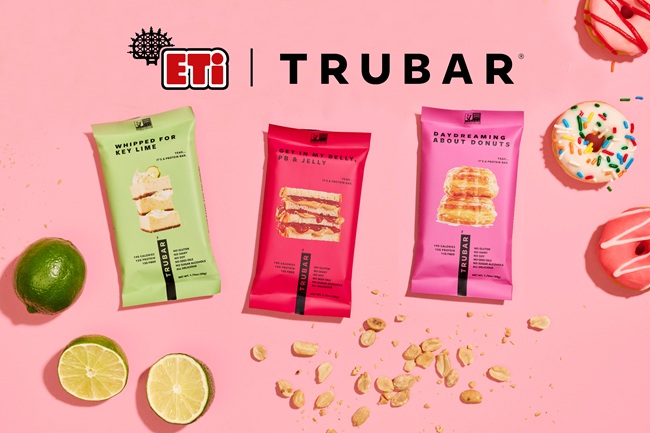
ETi Gıda has acquired U.S.-based protein bar brand TRUBAR for $173 million in an all-cash transaction, taking full ownership with no earn-out structure. The deal gives the Turkish snack major a scaled entry into the North American better-for-you segment while positioning TRUBAR for international expansion without founder disruption.
Why ETi Gıda is using acquisition rather than organic entry to scale in North America’s protein bar market
The acquisition reflects a calculated shortcut into a crowded but still structurally growing category. North America’s protein and functional snack market has matured past early experimentation, with shelf space now dominated by brands that can demonstrate velocity, brand differentiation, and repeat consumption rather than novelty. Entering organically would have required ETi Gıda to navigate retailer gatekeeping, consumer trust-building, and category skepticism around new international entrants.
By acquiring TRUBAR outright, ETi Gıda bypasses those barriers with a brand that has already crossed key commercial thresholds. TRUBAR’s presence in more than 21,000 retail locations and reported 2025 gross revenue nearing $100 million place it among the few independent brands that have achieved national relevance without being absorbed earlier by strategic buyers. For ETi Gıda, this is not an experimental minority stake but a platform acquisition designed to anchor long-term geographic diversification.
The absence of an earn-out is particularly telling. It signals confidence in the existing management team and operating model, while also reducing integration friction. In consumer packaged goods, earn-outs often introduce misaligned incentives and short-term revenue distortions. ETi Gıda appears to be prioritizing continuity over aggressive post-deal restructuring.
How TRUBAR fits into ETi Gıda’s broader portfolio strategy beyond traditional snacks
ETi Gıda has historically built its scale around biscuits, confectionery, and mass-market snack formats, categories where brand heritage and manufacturing efficiency drive success. The protein bar segment operates under a different logic. Ingredient transparency, lifestyle positioning, and cultural relevance often matter more than scale alone.
TRUBAR’s clean-label positioning, dessert-inspired flavor strategy, and playful branding offer ETi Gıda exposure to a consumer cohort that traditional snack portfolios struggle to reach authentically. Rather than retrofit existing brands to chase wellness trends, ETi Gıda has opted to acquire a brand whose identity is already aligned with those expectations.
This approach reduces the risk of brand dilution and consumer skepticism. In recent years, legacy food companies have faced backlash when reformulating or rebranding established products under health-forward narratives that consumers perceive as inauthentic. TRUBAR allows ETi Gıda to participate in the better-for-you segment without forcing its core portfolio to stretch beyond its credibility.
What founder continuity signals about execution risk and brand preservation post-acquisition
Keeping TRUBAR’s founder and leadership team in place is more than a symbolic gesture. In digitally native and lifestyle-driven food brands, founder presence often functions as an informal trust mechanism with both consumers and retail partners. Abrupt leadership changes frequently coincide with brand drift, operational missteps, or loss of cultural relevance.
By preserving TRUBAR’s operating autonomy, ETi Gıda reduces execution risk during the critical post-acquisition scaling phase. This is especially important as TRUBAR moves into international markets where brand translation, flavor localization, and channel strategy require nuance rather than brute-force expansion.
From an operational standpoint, ETi Gıda can contribute manufacturing expertise, supply chain resilience, and procurement leverage without interfering in front-end brand decisions. This separation of responsibilities aligns with best practices observed in successful consumer acquisitions, where back-end efficiencies are centralized while brand storytelling remains decentralized.
Why the protein bar category remains attractive despite intensifying competition
The protein bar market has reached a phase where growth is slower than during its early boom but structurally more resilient. Consumption has shifted from sports nutrition niches toward everyday snacking, with bars increasingly replacing traditional sweets or baked goods rather than supplements.
TRUBAR’s reported growth rate exceeding the category average suggests it has tapped into this broader use case. Dessert-inspired formats appeal to consumers seeking indulgence without nutritional compromise, a positioning that remains underpenetrated relative to performance-focused protein products.
For ETi Gıda, this category offers a hedge against stagnation in legacy snack segments that face pricing pressure, regulatory scrutiny around sugar content, and changing consumer habits. Protein bars sit at the intersection of convenience, functionality, and permissible indulgence, making them strategically valuable even in a crowded field.
How challenging will regulatory complexity, taste localization, and price sensitivity be as TRUBAR expands beyond North America
While the acquisition opens doors to international markets, scaling TRUBAR globally will not be frictionless. Clean-label expectations vary significantly by geography, as do ingredient regulations, flavor preferences, and price sensitivity. What resonates with U.S. consumers may require adaptation in Europe, the Middle East, or Asia.
ETi Gıda’s existing international footprint provides logistical advantages, but brand localization remains a critical execution risk. Over-standardization could erode TRUBAR’s distinctiveness, while excessive localization could dilute brand identity. Balancing those tensions will define the next phase of growth.
Additionally, global expansion introduces currency exposure, supply chain complexity, and regulatory compliance costs that could pressure margins in the short term. The lack of an earn-out structure suggests ETi Gıda is prepared to absorb near-term volatility in exchange for long-term strategic positioning.
What this deal signals about cross-border consolidation in better-for-you consumer brands
The TRUBAR acquisition highlights a broader shift in global food and snack consolidation. Rather than U.S. multinationals exclusively acquiring emerging wellness brands, international players are increasingly stepping in with decisive capital and long-term intent.
This trend reflects both valuation discipline and strategic urgency. Many U.S.-based food conglomerates remain cautious after overpaying for wellness assets earlier in the cycle. International buyers with strong balance sheets and less exposure to past write-downs can move more aggressively, especially when acquiring brands that have already demonstrated scale but remain independent.
ETi Gıda’s move may encourage similar players to pursue platform acquisitions rather than incremental partnerships. As growth slows in traditional snack categories globally, acquiring culturally relevant brands with proven traction becomes a more efficient path to portfolio renewal.
How are investors and industry analysts interpreting all-cash consumer acquisitions like ETi Gıda’s TRUBAR deal in 2026
Although ETi Gıda is privately held, the structure of this transaction aligns with broader investor preferences for clean, uncomplicated deals. All-cash acquisitions with no earn-outs reduce post-merger uncertainty and signal financial confidence.
Industry observers are likely to view the deal as disciplined rather than opportunistic. The price implies a revenue multiple that reflects scale and growth without venturing into speculative territory. In an environment where capital markets reward operational predictability over growth-at-any-cost narratives, this transaction fits the prevailing sentiment.
For the broader industry, the deal reinforces the idea that better-for-you brands with real distribution, not just social media momentum, remain attractive acquisition targets even as valuations normalize.
Key takeaways: What the ETi Gıda–TRUBAR deal means for global snacking strategy and competitive dynamics
- ETi Gıda is using acquisition rather than organic expansion to secure immediate scale in North America’s protein bar market
- The absence of an earn-out underscores confidence in TRUBAR’s operating model and leadership continuity
- TRUBAR provides ETi Gıda with authentic access to clean-label and lifestyle-driven consumers without brand retrofitting
- Founder retention reduces execution risk during international expansion and brand scaling
- Protein bars remain strategically attractive as everyday snack substitutes rather than niche performance products
- International growth will test TRUBAR’s ability to balance localization with brand consistency
- The deal reflects a broader shift toward cross-border consolidation led by non-U.S. food companies
- All-cash structures are increasingly favored as investors prioritize clarity and integration discipline
- Competitors may face renewed pressure as global players pursue similar platform acquisitions
Discover more from Business-News-Today.com
Subscribe to get the latest posts sent to your email.