




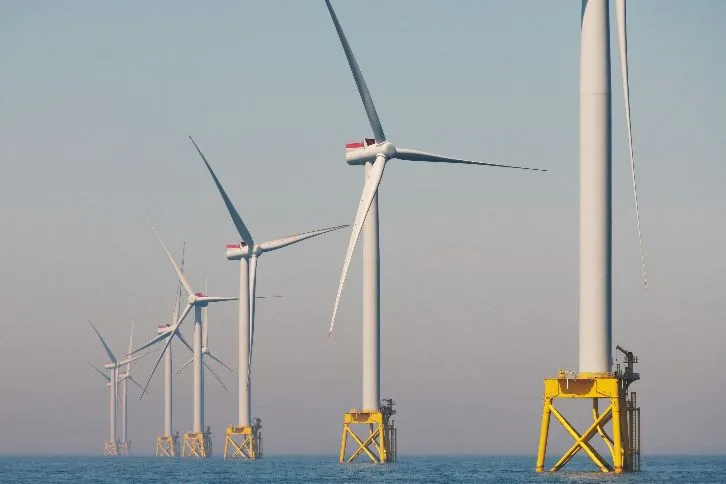
How does Iberdrola’s €4.1 billion green financing agreement strengthen East Anglia Three’s delivery timeline?
Iberdrola has signed a landmark green financing agreement worth €4.1 billion for the East Anglia Three offshore wind farm in the United Kingdom, marking one of the largest project finance deals in the global renewable energy sector this decade. The financing was secured from 24 international lenders, including BBVA, HSBC, ING, NatWest, MUFG, Bank of China, Crédit Agricole, and the Danish Export Credit Agency (EIFO). Structured as a green project finance scheme, the loan will be repaid through future revenues generated by the operational wind farm. This €4.1 billion tranche covers the majority of the €5.2 billion total project cost and clears a major hurdle in bringing the 1,400 MW project online by the end of 2026.
The financing agreement supports Iberdrola’s broader effort to expand its offshore wind footprint through its UK subsidiary ScottishPower Renewables, and solidifies East Anglia Three as the anchor project within its larger East Anglia Hub complex in the North Sea.
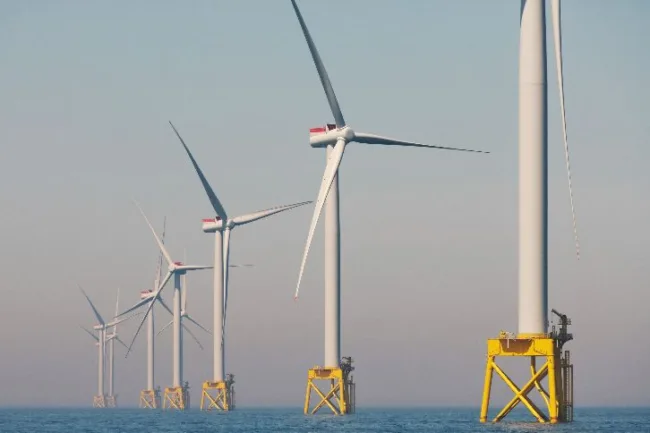
Why is East Anglia Three considered the most important UK offshore wind project currently under construction?
East Anglia Three is the single largest offshore wind farm currently being built in the United Kingdom. Located 69 kilometers off the Suffolk coast, the wind farm will feature 95 Siemens Gamesa turbines, each with a capacity of 14.7 MW, collectively delivering 1,400 MW of clean electricity. Once operational, the project is expected to power more than 1.3 million homes and significantly reduce carbon emissions in line with the United Kingdom’s net zero ambitions.
The project will also contribute to domestic job creation and regional supply chain growth. By integrating UK content in turbine construction, subsea cable installation, and onshore converter infrastructure, Iberdrola aims to align East Anglia Three with both energy security and economic development targets set by the UK government.
The construction of turbines, substations, and interconnection assets is already underway. The final commercial operation date is currently scheduled for Q4 2026.
What makes this green project financing deal one of the largest and most oversubscribed in the sector?
The green financing structure attracted strong investor interest, with the deal oversubscribed by 40 percent. Institutional appetite was driven by the project’s predictable revenue model, which includes a combination of government-awarded Contracts for Difference (CfDs) and a long-term corporate power purchase agreement (PPA) signed with Amazon in 2024.
Approximately 70% of the financing is structured as senior debt, while the remaining 30% is contributed by shareholders through equity. A bridge loan from MUFG and Crédit Agricole helped advance early-stage construction, ensuring the project’s critical path remained intact pending the full financial close.
Analysts see this as a vote of confidence not only in Iberdrola’s offshore wind execution record but also in the maturity of green project finance frameworks in Europe, which continue to gain traction among banks eager to meet ESG lending targets.
How will Iberdrola and Masdar’s joint ownership structure impact project governance and risk sharing?
In a parallel development, Iberdrola and Abu Dhabi-based renewable energy group Masdar have signed an agreement to co-invest in East Anglia Three, each taking a 50% stake. The €5.2 billion joint venture marks the largest offshore wind partnership for Iberdrola and aligns with Masdar’s strategy of deepening its European renewable portfolio.
Under this co-ownership model, both entities will jointly manage the asset post-commissioning. While closing remains subject to regulatory and third-party approvals, the structure allows Iberdrola to recycle capital into its broader pipeline while retaining operational oversight and EPC expertise.
This partnership mirrors a growing trend among global developers who are derisking large infrastructure projects by leveraging sovereign and institutional co-investment. According to market watchers, such alliances not only boost project bankability but also improve geopolitical resilience in energy delivery.
What role do long-term power contracts with Amazon and the UK government play in revenue security?
Revenue stability for East Anglia Three is underpinned by a two-pronged contract structure. The first leg includes CfD awards granted by the UK government, which provide a guaranteed strike price over a defined term, effectively insulating project cash flows from wholesale electricity price volatility. The second leg is a long-term PPA signed with Amazon, part of the tech giant’s global decarbonization strategy.
Together, these instruments lock in substantial revenue for the wind farm’s early operational years and support the project’s strong investment-grade credit profile. This setup enabled participating banks to de-risk their exposure and meet green financing mandates.
Analysts suggest that Amazon’s involvement sends a strong signal to other corporate buyers, indicating growing appetite for offshore wind PPAs—especially for hyperscale data centers and digital infrastructure operators prioritizing 24/7 renewable load matching.
How does East Anglia Three align with Iberdrola’s global energy transition strategy through 2030?
East Anglia Three plays a pivotal role in Iberdrola’s long-term roadmap to triple its offshore wind capacity by 2030. With over 4,000 MW of additional offshore wind currently in various development stages globally—including the United States, Germany, and France—the Spanish electric utility developer is positioning itself as a leader in fixed and floating offshore technologies.
The East Anglia Hub as a whole is expected to deliver 3,100 MW when fully completed, representing one of the largest offshore wind zones in Europe. The project also reinforces Iberdrola’s position in the UK’s decarbonization ecosystem, alongside its existing operations in East Anglia ONE and West of Duddon Sands.
Institutional investors tracking Iberdrola’s performance (BME: IBE) have generally viewed the project positively. The stock has seen relatively stable movement this quarter, with renewable infrastructure growth helping to offset margin pressures in regulated utilities.
What challenges remain in delivering East Anglia Three by the end of 2026 despite strong financing and partnerships?
Despite strong financial backing and co-ownership alignment, the project faces typical offshore wind execution risks. Supply chain pressures, turbine logistics, and interconnection delays continue to affect timelines across the North Sea region. Weather windows for offshore construction are tightening, and competition for skilled marine installation personnel remains high.
Moreover, the Siemens Gamesa turbine model selected—while technologically advanced—has seen delays in other deployments due to quality control challenges. Iberdrola has factored contingencies into its delivery schedule but remains vulnerable to global equipment bottlenecks and port congestion.
Industry observers believe the strong financing base and high degree of contractual risk coverage will help mitigate some of these uncertainties, though 2026 remains an aggressive target given the scale of offshore infrastructure remaining.
Discover more from Business-News-Today.com
Subscribe to get the latest posts sent to your email.

