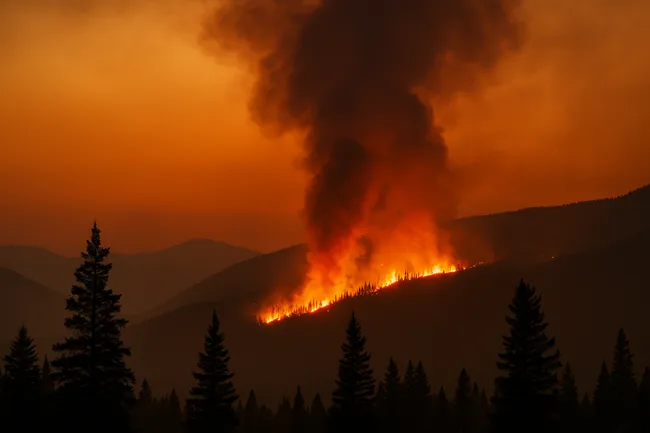
Cyclone Arnab has killed at least three people and damaged homes, farmland and electricity infrastructure after crossing the Andhra Pradesh coastline early on October 28, 2026. The India Meteorological Department said the system made landfall as a very severe cyclonic storm before weakening to a severe cyclonic storm as it moved inland. Andhra Pradesh authorities reported evacuating at least 180,000 people ahead of the landfall, while officials said approximately 79,000 acres of crops were damaged.
Two women were electrocuted in separate incidents in Visakhapatnam, while another person died after a tree fell in East Godavari district, according to officials cited by the Associated Press. Chief Minister N. Chandrababu Naidu said 14 coastal districts were badly affected by the storm, which damaged houses, roads, electricity poles and power infrastructure. Konaseema, a productive agricultural district, was among the hardest-hit areas, with extensive damage to banana and coconut plantations.
The confirmed landfall and casualty reports represent a material escalation from the previous warnings and evacuation announcements. The immediate priority has shifted towards restoring services, assessing agricultural losses and preventing further injuries as heavy rainfall continues. The cyclone has weakened, but its remaining rainbands and damaged infrastructure could continue to pose risks.
Where did Cyclone Arnab make landfall in Andhra Pradesh on October 28?
Arnab crossed the Andhra Pradesh coast during the early hours of Wednesday, October 28, after intensifying over the Bay of Bengal. The IMD subsequently confirmed that the landfall process had been completed and that the storm had begun weakening over land.
The development replaces earlier forecasts that placed landfall near Yanam later in the morning. A prediction is no longer the controlling information once meteorological authorities confirm the storm’s actual movement.
Coastal communities experienced strong winds, heavy rain and widespread disruption as the cyclone crossed the region. The effects extended beyond the immediate landfall location because the system’s rainbands covered a broad area.
The IMD expects further weakening as Arnab moves inland, but it has warned that heavy rainfall and strong winds may continue over affected districts. Residents should therefore distinguish a weakening cyclone from the complete end of hazardous weather.
How many people have died in Andhra Pradesh after Cyclone Arnab’s landfall?
Officials confirmed at least three deaths in the immediate aftermath of the storm. Two women were electrocuted in separate incidents in Visakhapatnam, while another person died when a tree fell in East Godavari district.
These fatalities demonstrate that cyclone-related dangers are not confined to coastal flooding or direct wind exposure. Damaged electricity infrastructure and falling trees can also cause deaths during severe weather.
The figures reflect confirmed reports available during the October 28 assessment. Further incidents could change the toll, but additional deaths should not be reported without verification.
The method of each fatal injury is relevant to public safety. Areas with damaged power lines, unstable trees and debris may remain hazardous even after the strongest winds subside.
Why has the evacuation figure increased from 89,000 to 180,000 people?
Andhra Pradesh initially reported evacuating at least 89,000 people as Arnab approached the coast. Later official information raised that figure to at least 180,000 people moved from vulnerable areas.
The increase reflects continued evacuation operations as the forecast threat became more immediate. It does not mean that all 180,000 evacuees suffered damage to their homes or required medical treatment.
Authorities had prepared more than 2,000 cyclone shelters across 20 districts and sent emergency alerts to residents. The evacuation effort was intended to reduce exposure to flooding, wind damage and other immediate risks.
The relatively limited confirmed fatality count should be considered alongside the extensive preparedness measures. However, determining how many deaths were prevented would require analysis beyond the available figures.
How much farmland has been damaged and why is Konaseema particularly vulnerable?
Officials reported damage affecting approximately 79,000 acres of crops. The losses include banana and coconut plantations, with Konaseema identified as one of the most severely affected agricultural districts.
Banana plants can be especially vulnerable to strong winds because of their structure, while damage to coconut plantations may affect agricultural income beyond a single short harvesting period. The financial consequences depend on the age of affected plants, crop condition and the extent of destruction.
Konaseema’s agricultural importance makes the losses relevant to farmers, transport operators and businesses involved in regional produce markets. Damage to rural roads and electricity networks can also interfere with recovery.
However, the reported acreage is an initial agricultural assessment rather than a completed valuation of financial losses. Authorities will need field-level inspections to determine compensation eligibility and the full economic impact.
Which infrastructure and electricity services were disrupted by the cyclone?
The storm uprooted trees and electricity poles, damaging power infrastructure in affected coastal districts. Officials also reported damage to houses and roads, with some communities experiencing interruptions to essential services.
Fallen power lines can obstruct roads and create electrical hazards for residents and emergency workers. Restoration therefore requires inspection and repair rather than simply reconnecting power immediately.
Strong winds and heavy rain can also complicate access to damaged locations, delaying work by utility crews. Transport disruptions may affect movement of repair equipment, medical supplies and agricultural produce.
The precise number of households without electricity had not been comprehensively established in the reporting reviewed. Claims of a statewide blackout or complete restoration would therefore require separate confirmation.
Why does flooding remain a threat even though Cyclone Arnab has weakened?
The IMD said the cyclone had weakened to a severe cyclonic storm as it moved inland. Nevertheless, its circulation continued to produce heavy rain over coastal Andhra Pradesh and parts of southern Odisha.
Low-lying areas of Visakhapatnam experienced flooding as rainfall accumulated. Waterlogging can persist after peak winds pass, particularly where drainage systems are overwhelmed.
The risk can extend to roads, homes and agricultural land, even if the storm no longer meets its earlier intensity classification. Damaged electrical systems and unstable structures may add to the danger.
Local authorities will need to monitor rainfall, water levels and access routes as conditions evolve. The movement of the cyclone’s centre alone does not establish when individual communities will become safe.
What has Chief Minister Chandrababu Naidu requested from the central government?
Naidu said 14 coastal districts had been badly affected and requested urgent assistance from the central government. The request follows reports of damage to homes, infrastructure and agricultural land.
Central assistance may help support immediate relief and subsequent restoration, depending on assessments and the applicable government procedures. However, the chief minister’s request is not itself confirmation that a particular amount has been approved or disbursed.
The first stage of recovery involves establishing the scale of damage and ensuring that essential services are restored. Agricultural compensation and rebuilding may require additional administrative work.
The distinction between requested support and money actually sanctioned is important for evaluating the financial response. Future announcements should identify both the approved amount and its intended use.
What are the key takeaways from Cyclone Arnab’s confirmed landfall?
Cyclone Arnab crossed Andhra Pradesh’s coastline on October 28 and weakened after making landfall. At least three people were killed, including two women electrocuted in Visakhapatnam and another person struck by a falling tree in East Godavari.
Authorities reported at least 180,000 evacuations, approximately 79,000 acres of crop damage and widespread infrastructure disruption. The worst-affected areas include Konaseema, while continued rain and flooding remain risks despite the cyclone’s weakening.
What happens next for Andhra Pradesh’s cyclone recovery and agricultural compensation?
The immediate priorities are restoring electricity, reopening damaged routes and verifying the condition of affected homes and farmland. Further agricultural inspections will be necessary to establish crop losses and determine the support available to farmers.
The latest report documents an actual disaster rather than a forecast of possible impacts. The scale of recovery, including its financial cost and duration, will become clearer as officials complete assessments in the affected districts.
Discover more from Business-News-Today.com
Subscribe to get the latest posts sent to your email.