New United States intelligence assessments disclosed on September 25, 2026, indicate that satellite imagery and other intelligence supplied by Chinese-linked groups have helped Iran improve the accuracy of attacks on American military installations and ships across the Middle East. US officials believe the assistance has strengthened Tehran’s ability to locate targets, track naval movements through the Strait of Hormuz and time missile and drone launches with greater precision.
The most serious example cited by officials involves a July Iranian attack on Muwaffaq Salti Air Base in Jordan that ultimately left three American soldiers dead. Intelligence sources said Chinese geospatial information allowed Iran to strike the facility with a degree of precision that US officials believe Tehran would otherwise have struggled to achieve.
The assessments do not publicly establish that China’s government directly ordered or managed the intelligence transfers. Previous allegations have focused on Chinese entities and satellite resources, while Beijing has rejected accusations that it improperly assisted Iran and has said China complies with its international obligations. That distinction remains important as Washington evaluates whether the activity represents private commercial cooperation, state-linked support or something more directly connected to Beijing.
The broader implication is clear even while attribution remains disputed: Iran’s military has become noticeably better at finding and striking US targets, and foreign intelligence support appears to be one reason why.
Chinese satellite data is giving Iran a more accurate picture of US military movements
Modern missile and drone warfare depends as heavily on locating a target as it does on the weapon itself. An advanced missile is far less effective if the coordinates supplied before launch are outdated, while accurate and frequently refreshed satellite imagery can reveal changes in aircraft positions, troop movements, ships and military infrastructure.
US intelligence assessments described by four sources indicate that Chinese geospatial data has helped Iran close that information gap. The assistance reportedly includes satellite imagery capable of showing the location and movement of American assets, giving Iranian forces better information when preparing strikes.
The Jordan attack has become a key example because officials believe the intelligence support contributed directly to Iran’s ability to hit the base accurately. The Pentagon later identified the American personnel killed or believed killed during the attack, while US Central Command said the strike involved Iranian missiles and drones against forces stationed at the installation.
That episode demonstrated a significant evolution from earlier stages of the conflict. Iran has long possessed ballistic missiles and drones capable of reaching US installations throughout the region, but American officials say its ability to hit specific locations within those bases has improved substantially.
Repeated battlefield use is one explanation because Iranian forces gain operational experience each time they launch weapons. Foreign intelligence and technical support can accelerate that improvement by providing better targeting information and allowing weapons operators to understand precisely when and where to launch.
Strait of Hormuz intelligence could make even relatively simple Iranian drones more dangerous
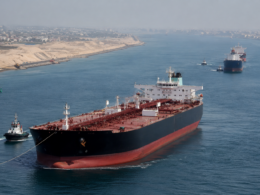
The intelligence support is also affecting operations around the Strait of Hormuz, where Iran continues to challenge American naval escorts and commercial vessels. The waterway remains strategically critical because a substantial share of global oil and liquefied natural gas exports traditionally passes through it.
According to US officials, Chinese geospatial information has helped Iran track vessels moving through the strait. Iranian forces can then position missile and drone attacks around predictable locations in the shipping channel rather than searching independently for moving targets.
One tactic described by officials involves launching large numbers of heat-seeking drones as ships reach a particular bend or geographic point in the waterway. The drones themselves are not regarded as exceptionally sophisticated, but accurate information about where ships will be and when they will arrive can make relatively inexpensive weapons considerably more effective.
That creates a difficult cost equation for the United States. American forces may use advanced and expensive defensive missiles to intercept comparatively inexpensive drones, allowing Iran to impose financial and logistical pressure even when most incoming weapons are destroyed.
During one recent escort operation, US forces intercepted more than a dozen Iranian missiles and nearly 20 drones while striking roughly 60 targets around the strait, according to an official familiar with the operation. The scale illustrates how maritime security around Hormuz has become an intensive military mission rather than a routine naval escort operation.
Iran’s ability to damage US bases has improved dramatically during the conflict
The Pentagon’s own assessments indicate that Iranian attacks have damaged hundreds of structures at American bases across the Middle East during the conflict. Installations in Kuwait, Bahrain, Qatar, the United Arab Emirates, Saudi Arabia, Iraq, Oman and Jordan have all faced threats, forcing US Central Command to disperse personnel, equipment and storage facilities.
Iran demonstrated years ago that it could launch ballistic missiles against American installations, including following the US killing of Iranian General Qasem Soleimani in 2020. The difference now is the combination of range, volume and improving precision.
American air-defense systems were historically optimized to intercept certain categories of sophisticated ballistic threats, but cheaper drones and missiles operating at lower altitudes create different challenges. Officials have expressed concern that Iranian weapons can exploit gaps between systems designed for high-altitude ballistic missiles and those intended for smaller airborne threats.
The United States is consequently adding defenses at military and diplomatic facilities across the region. That process can include more short-range air-defense systems, electronic warfare, hardened shelters and dispersing valuable assets across larger numbers of locations.
These adjustments demonstrate an important feature of the conflict: Iran does not necessarily need to destroy an entire base to alter American military behavior. Persistent threats can force the Pentagon to relocate aircraft, redistribute personnel and devote additional resources to defense.
China’s role remains disputed even as US intelligence focuses on Chinese entities
The most politically sensitive question is whether the intelligence assistance should be considered Chinese government support for Iran. Publicly available information does not yet provide a definitive answer.
The latest assessments refer primarily to Chinese groups and access to Chinese satellite imagery rather than establishing that President Xi Jinping or China’s military directly ordered intelligence transfers. Earlier reporting similarly described Iranian access to satellite information from Chinese entities without publicly identifying the organizations involved.
China has rejected previous accusations surrounding such assistance. Foreign Ministry spokesperson Guo Jiakun said Beijing complies with international obligations and opposed what China described as unsupported allegations, while the Chinese and Iranian embassies did not respond to requests for comment on the newest intelligence assessments before publication.
The distinction matters diplomatically. Intelligence assistance provided directly by the Chinese state would carry different implications for US-China relations than commercial imagery purchased from private companies or assistance from entities acting without explicit government direction.
However, Chinese companies in strategically sensitive sectors often operate within a regulatory environment where the state retains substantial oversight, meaning Washington is likely to continue investigating how the intelligence moved and who authorized access.
The issue has already reached Congress. Republican Representative John Moolenaar, chair of the House Select Committee on China, recently urged the administration to confront Beijing over allegations that Chinese entities had helped Iran target US forces. The committee’s concerns reflect the potential severity of any confirmed connection between Chinese intelligence capabilities and attacks that killed American military personnel.
Chinese technology and components are also helping Iran rebuild military capabilities
Satellite intelligence is only one part of the relationship drawing scrutiny. US officials say Iranian access to Chinese dual-use components has helped Tehran restore missiles, drones and other military equipment damaged or expended during months of conflict.
Dual-use technology can have legitimate civilian applications while also supporting weapons production, making enforcement difficult. Electronics, navigation equipment, sensors, communications hardware and manufacturing components can potentially enter Iran through commercial channels before being incorporated into military systems.
One US official described access to Chinese components as important to Iran’s ability to continue rebuilding military inventories. The assessment aligns with longstanding concerns that Tehran has developed networks capable of obtaining technology despite extensive Western sanctions and export restrictions.
Russia has also provided technical assistance to Iran, according to US assessments, creating a broader pattern in which Tehran benefits from relationships with governments and companies outside the Western sanctions system.
That support does not eliminate Iran’s own capabilities. The country has spent decades developing domestic missile and drone manufacturing and has demonstrated an ability to modify weapons based on battlefield experience.
Foreign technology can nevertheless accelerate that process. Satellite imagery improves targeting, imported components help replenish inventories and technical assistance can improve guidance systems, allowing Iran to combine domestic production with external expertise.
Allegations could complicate US-China ties immediately after the Trump-Xi summit
The intelligence findings arrive at a particularly sensitive moment because Donald Trump and Xi Jinping have just concluded high-profile talks in Washington aimed at stabilizing the broader US-China relationship. The two governments agreed to extend their trade truce for another two months, but significant disagreements remain over Taiwan, advanced technology, artificial intelligence and Iran. Washington is expected to release additional details about the trade negotiations next week, while neither side has indicated that the summit resolved the most difficult strategic disputes.
Trump previously played down reports that Chinese entities had provided satellite information used by Iran before attacks on American forces. Asked earlier this month about the allegations, he did not indicate that they would necessarily derail his engagement with Xi and emphasized the broader relationship between Washington and Beijing. That position could face greater scrutiny if intelligence agencies develop stronger evidence connecting Chinese state institutions directly to attacks on US personnel.
China also has competing interests in the Middle East. Beijing maintains important economic ties with Iran but simultaneously depends heavily on energy imports from Gulf countries and has strong commercial relationships with Saudi Arabia, the United Arab Emirates and other governments that want the conflict contained.
Escalating military support for Tehran could therefore create risks for China’s wider regional strategy. Beijing benefits economically from stable shipping routes and predictable oil supplies even while opposing many aspects of US policy toward Iran.
Foreign intelligence support is changing how Washington must defend forces across the Middle East
The larger strategic issue extends beyond China and Iran. Modern military conflicts increasingly combine commercial satellite imagery, state intelligence networks, inexpensive drones and precision weapons in ways that make previously secure bases easier to observe and attack.
Large American installations in the Middle East are particularly visible. Runways, aircraft shelters, radar systems and logistics facilities cannot be hidden easily from satellites repeatedly passing overhead.
That means traditional defenses may need to be supplemented by deception, mobility and dispersal. Aircraft may need to move more frequently, critical equipment may need hardened shelters and military planners may increasingly use decoys or camouflage to complicate satellite surveillance.
The same challenge affects naval forces. Ships moving through narrow waterways such as the Strait of Hormuz have predictable routes, making high-quality geospatial intelligence particularly valuable to an adversary preparing missile or drone attacks.
The newest US assessments therefore matter even if the exact relationship between Chinese entities and Beijing remains unresolved. Iran appears to be combining outside intelligence with its own missiles and drones to create a more precise and persistent threat to American forces.
For Washington, the immediate challenge is protecting troops and ships. The longer-term challenge is determining whether China’s growing intelligence relationship with Iran represents opportunistic cooperation by individual entities or a broader strategic alignment capable of reshaping the military balance across the Middle East.
Key takeaways from intelligence linking Chinese groups to Iran’s improved targeting
- New US intelligence assessments indicate Chinese-linked groups have supplied satellite imagery and geospatial data that improved Iran’s ability to target American forces.
- Officials believe Chinese intelligence support contributed to a July strike on Muwaffaq Salti Air Base in Jordan that left three US service members dead.
- Chinese geospatial data has also reportedly helped Iran track American and commercial ships moving through the Strait of Hormuz.
- Better targeting information can make relatively inexpensive Iranian drones and missiles significantly more dangerous without requiring major improvements to the weapons themselves.
- The Pentagon says Iranian attacks have already forced US forces to disperse personnel, assets and storage facilities across the Middle East.
- Public evidence has not established that China’s central government directly ordered the assistance, and Beijing has rejected earlier allegations of improper support.
- Chinese dual-use components and foreign technical assistance are also helping Iran replenish military inventories and improve weapons systems.
- The allegations could add another source of tension to US-China relations just as Washington and Beijing try to stabilize trade and strategic competition.
Discover more from Business-News-Today.com
Subscribe to get the latest posts sent to your email.