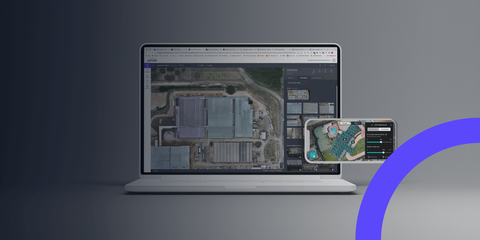



Cadence Design Systems, Inc. (NASDAQ: CDNS), the California-based electronic design automation and engineering software company, has announced the availability of a sovereign artificial intelligence data centre in Munich, Germany, integrating its Cadence OnCloud environment with NVIDIA computing platforms and the Cadence Millennium M2000 AI Supercomputer. Unveiled on October 21, 2026, the expanded facility is designed to support semiconductor design, advanced packaging, system simulation and AI factory development while allowing European customers to maintain data residency within European jurisdiction. The initiative builds on Cadence’s growing demand for AI-assisted engineering tools, with the company reporting an $8.1 billion backlog and second-quarter revenue growth of approximately 24%. However, the financial value of the Munich expansion remains unquantified, and customer adoption will determine whether sovereign cloud infrastructure creates meaningful incremental software and computing revenue.
Why is Cadence building a sovereign AI engineering platform in Munich instead of relying only on public cloud infrastructure?
Semiconductor and advanced system design involve highly sensitive intellectual property, including chip architectures, proprietary circuit designs and information about products that may not yet have entered commercial development. Customers frequently require strict controls over access, storage and processing of that information. For European organisations, the jurisdiction governing infrastructure and data handling can therefore influence where engineering workloads are performed.
Cadence has expanded its Munich data centre to provide cloud-based design capabilities under European data residency arrangements. The facility brings together the company’s electronic design automation software and specialised accelerated computing infrastructure. Customers can use the environment for computationally intensive engineering tasks while maintaining the relevant workloads within the intended European deployment boundary.
The new platform combines Cadence OnCloud, NVIDIA Vera and Grace central processing unit technologies, and the Cadence Millennium M2000 AI Supercomputer powered by NVIDIA Blackwell. These components support different aspects of engineering and simulation, including chip development and system-level modelling. Their integration is intended to provide an alternative to deploying all workloads through general-purpose cloud environments.
Cadence described the Munich offering as the first comprehensive sovereign AI platform from an electronic design automation vendor supporting semiconductor, system and AI factory design in Europe. That positioning reflects the company’s stated competitive differentiation rather than a independently established absence of all comparable European engineering cloud services. The platform’s relevance will depend on the range of workloads it supports and the controls available to customers.
The expansion also complements existing Cadence cloud resources in Europe, including infrastructure available through major public cloud providers in Frankfurt. This creates a broader delivery model rather than replacing every existing cloud arrangement. Customers can evaluate infrastructure options according to data-control requirements, processing performance and engineering costs.
How will Cadence combine NVIDIA computing with semiconductor design, simulation and advanced packaging software?
Electronic design automation software supports the development and verification of increasingly complex semiconductor products. Engineers use specialised tools to analyse electrical behaviour, physical layouts, manufacturing constraints and system performance before committing designs to production. These workloads can require substantial computing resources, particularly for advanced processors and large integrated systems.
Cadence’s Munich platform brings AI-assisted design capabilities into an accelerated computing environment. The company intends to support semiconductor development, packaging analysis and system design using its existing software portfolio alongside NVIDIA infrastructure. Such integration could help customers process large engineering workloads without maintaining all of the necessary hardware internally.
Advanced packaging is becoming particularly important as semiconductor manufacturers combine multiple chips and memory components within increasingly sophisticated systems. These designs introduce electrical, thermal and mechanical interactions that must be evaluated before manufacturing. Engineering software capable of simulating these relationships may help reduce expensive redesigns and improve development efficiency.
Cadence has also been developing AI-assisted tools intended to automate selected design and verification tasks. Its broader AI Super Agents portfolio includes capabilities supporting chip implementation, verification and system engineering. The Munich environment could give European customers access to those tools through a deployment model aligned with their infrastructure and data requirements.
However, the availability of AI computing resources does not establish that semiconductor design can be automated without substantial human engineering work. Complex design decisions still require validation, manufacturing knowledge and assessment of technical trade-offs. The commercial opportunity lies in improving productivity and reducing iteration times rather than removing the need for experienced engineers.
The company has not disclosed a capacity figure or customer utilisation level for the Munich facility. It is therefore not possible to calculate the potential revenue per computing resource or establish the expected return on the associated infrastructure investment. Those measures would be necessary for a more detailed financial assessment.
Can Cadence’s Reality Digital Twin Platform expand its business beyond chip design into AI factory infrastructure?
The Munich offering also incorporates the Cadence Reality Digital Twin Platform, extending the company’s engineering software into the design and optimisation of complex physical infrastructure. Digital twins create computational representations of systems that can be used to evaluate operating conditions and alternative designs. In data centres, these simulations can examine airflow, cooling arrangements, electrical distribution and equipment placement.
Cadence is collaborating with NVIDIA to support applications involving AI factory development. Its digital twin technology is compatible with relevant NVIDIA Omniverse capabilities, allowing engineers to evaluate infrastructure configurations before physical installation. This could become valuable as data centre operators confront increasingly demanding power and cooling requirements.
Large AI computing facilities require coordination between processors, networking systems, electrical infrastructure and cooling equipment. Changes in one component can affect the performance or energy requirements of others. Digital simulation may help identify potential problems before construction or deployment, although the accuracy of results depends on the underlying models and input data.
Cadence has developed a validated digital representation of its Millennium M2000 AI Supercomputer for use within the infrastructure design environment. This allows engineers to incorporate the computing system into larger simulations of data centre configurations. Such functionality could help evaluate how computing equipment interacts with power and cooling systems.
The company also intends to use its Reality platform to optimise the Munich facility itself. This provides an opportunity to test the technology in an operating environment while potentially improving energy efficiency and infrastructure performance. However, Cadence has not published quantified savings from this implementation.
The expansion into AI factory engineering introduces customers beyond conventional semiconductor design teams. Data centre developers, industrial companies and infrastructure engineering organisations may require simulation capabilities as computing facilities become more complex. The size of the opportunity will depend on whether customers adopt integrated engineering platforms rather than relying on separate specialist tools.
What does Cadence’s $8.1 billion backlog reveal about demand for AI-driven engineering software?
Cadence reported second-quarter 2026 revenue of $1.584 billion, compared with $1.275 billion during the corresponding period in 2025. The approximately 24.2% increase reflected broad growth across its software, hardware and intellectual property businesses. The company also reported a quarter-end backlog of $8.1 billion, providing substantial contracted business visibility.
Of that backlog, approximately $4.2 billion represented revenue expected to be recognised within the next twelve months. This distinction is important because backlog includes obligations that may be fulfilled over different contractual periods. The figure does not indicate that all outstanding commitments will translate into immediate quarterly revenue.
Core electronic design automation revenue increased approximately 18% year on year, while intellectual property revenue grew more than 40%. System Design and Analysis revenue expanded 37%, reflecting the company’s increasing exposure to engineering activities beyond traditional chip implementation. These results suggest that Cadence is capturing demand across several stages of electronic system development.
The company raised its 2026 revenue outlook to between $6.26 billion and $6.34 billion. Management also increased its expected non-GAAP earnings and operating cash flow, citing stronger demand and business execution. These forecasts were issued before the October Munich announcement and do not separately quantify revenue expected from the sovereign cloud platform.
Cadence’s expansion into customer-controlled engineering infrastructure may improve its ability to compete for projects involving sensitive intellectual property. However, offering specialised computing capacity can introduce infrastructure expenses alongside software revenue. The profitability of the new model will depend on pricing, utilisation and the extent to which customers adopt additional Cadence applications.
Why is Cadence’s Munich launch arriving at an important moment for semiconductor software investors?
Cadence shares closed at $316.49 on October 23, gaining approximately 2.21% during the session. The stock had declined around 5% on October 22, reflecting substantial volatility across semiconductor-related technology companies. Its latest closing price was approximately 0.95% below the October 16 level of $319.51.
The company’s market capitalisation was approximately $87.2 billion, with the share price remaining below its reported 52-week high of $416.69. Investor expectations reflect software growth, recurring customer relationships and the increasing complexity of chip development. However, valuation also depends on the sustainability of strong operating margins and customer technology expenditure.
Cadence’s second-quarter GAAP operating margin reached 28.4%, compared with 19% a year earlier. Its non-GAAP operating margin increased to 45.5%, compared with 42.8%. These results provide evidence of operating leverage as demand expands, although adjusted profitability excludes certain expenses included in statutory reporting.
The company is scheduled to publish third-quarter 2026 financial results on October 26. Those results had not been released as of October 25 and will provide a more current assessment of software demand, profitability and management guidance. Investors will also be able to evaluate whether the company’s earlier expectations remain consistent with the latest operating environment.
The Munich initiative expands Cadence’s potential role in European semiconductor and AI infrastructure development. Commercial success will depend on customer adoption of its sovereign cloud, utilisation of advanced computing capabilities and sales of associated software services. Evidence that the new facility supports additional contracted revenue while preserving attractive margins would provide the strongest validation of its strategic value.
Key takeaways from Cadence’s sovereign AI engineering cloud and NVIDIA collaboration in Munich
- Cadence announced the availability of its Munich sovereign AI facility on October 21, 2026.
- The platform combines Cadence OnCloud with NVIDIA computing technologies.
- It supports semiconductor design, advanced packaging and AI infrastructure simulation.
- European customers can use the environment under European data residency arrangements.
- Cadence Reality Digital Twin supports analysis of power, cooling and equipment configurations.
- Cadence reported second-quarter revenue of $1.584 billion.
- Quarter-end backlog reached $8.1 billion.
- The company expects 2026 revenue between $6.26 billion and $6.34 billion.
- Shares closed at $316.49 on October 23.
- Third-quarter earnings on October 26 will provide the next financial update.
Discover more from Business-News-Today.com
Subscribe to get the latest posts sent to your email.