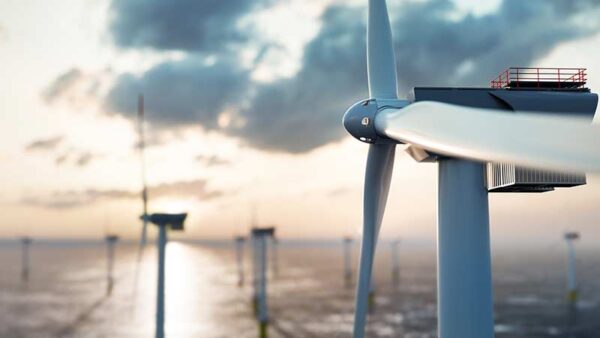




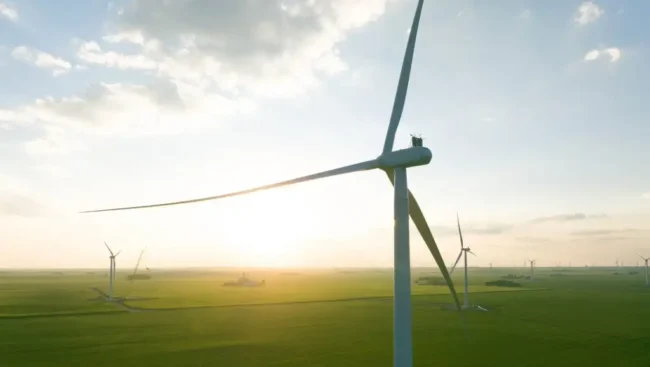
LS Power has officially completed its acquisition of BP Wind Energy North America Inc., bringing a substantial 1,300 megawatts of operating onshore wind assets into the portfolio of its affiliate Clearlight Energy. The transaction, finalized on December 9, 2025, marks a strategic leap for LS Power as it strengthens its position in the competitive US renewable energy sector. The move directly supports LS Power’s “more of everything” approach, integrating a diverse mix of renewables, flexible natural gas, and storage assets in response to the surging national demand for clean and reliable electricity.
With the completion of this acquisition, Clearlight Energy’s managed fleet now surpasses 4,300 megawatts of wind, solar, and battery storage capacity across North America. The newly acquired projects span ten operating sites in Indiana, Kansas, South Dakota, Colorado, Pennsylvania, Hawaii, and Idaho, broadening Clearlight Energy’s operational footprint and reinforcing its status as an independent renewable powerhouse in the region.
The transaction is emblematic of LS Power’s ambitions to scale its generation portfolio, which now totals more than 22,300 megawatts of American-based capacity and over 780 miles of high-voltage transmission lines. According to Paul Segal, Chief Executive Officer of LS Power, the deal underlines the company’s ability to capitalize on opportunities that address evolving energy challenges, such as extended new-build timelines and the need for immediate grid-scale clean energy.
Why did bp decide to divest its onshore wind assets and what does this signal for its energy transition roadmap?
BP’s decision to sell its US onshore wind business to LS Power is rooted in a broader strategic pivot designed to simplify and sharpen its global energy portfolio. The sale, part of a $20 billion divestment initiative announced in February 2025, underscores BP’s intent to focus investment on core low-carbon businesses while ensuring shareholder value. BP Wind Energy North America Inc., previously operated as an integrated business unit, comprised ten assets delivering approximately 1.3 gigawatts of net generation capacity (1.7 GW gross) with contracts already serving over 15 off-takers.
William Lin, Executive Vice President for gas and low carbon energy at BP, indicated that while low-carbon assets remain relevant in BP’s vision, the company determined it was no longer the optimal owner for these particular wind assets. He highlighted that the transaction, reached after a competitive bidding process, was mutually beneficial and ensures that both the assets and workforce transition to an experienced infrastructure operator focused on maximizing operational and financial value.
BP’s broader strategy now leans toward rationalizing its portfolio for efficiency, focusing on segments where it maintains a competitive advantage, and channeling capital into projects with higher value-generation potential. Progress on its divestment program has been communicated to investors in its quarterly results, with ongoing updates expected as additional deals close.
What does the integration of bp Wind Energy mean for Clearlight Energy’s competitive positioning in North American renewables?
The integration of bp Wind Energy into Clearlight Energy amplifies the latter’s presence in the utility-scale renewables market, especially as it now manages an expanded portfolio of wind, solar, and battery storage assets. Clearlight Energy, established by LS Power in 2025, emerges from this transaction with a more robust national footprint, having absorbed wind farms across the Midwest, Mountain West, and even Hawaii.
Projects such as Fowler Ridge in Indiana, Flat Ridge in Kansas, and Cedar Creek in Colorado are now under Clearlight’s operational umbrella, diversifying both geography and offtake contracts. According to industry observers, this geographic breadth reduces exposure to localized regulatory or resource risks and increases the platform’s resilience against seasonal variability in wind output.
Clearlight Energy’s enhanced scale allows for more effective portfolio management and optimization, a key factor as renewable operators seek to maximize returns from power purchase agreements and capacity markets. The combined workforce is expected to ensure operational continuity, leveraging the deep expertise of former BP Wind Energy personnel.
How does LS Power plan to balance renewables growth with grid reliability and energy transition goals?
LS Power’s acquisition of BP Wind Energy’s assets is emblematic of its holistic strategy toward the US energy transition. The firm’s “more of everything” philosophy involves integrating renewables with flexible natural gas, battery storage, and transmission assets to meet surging electricity demand without sacrificing reliability. This approach responds to the practical realities of grid management, where the intermittent nature of renewables like wind requires complementary capacity to ensure consistent supply.
Paul Segal, CEO of LS Power, has stated that the company is focused on improving both legacy and new energy assets while investing in transformative strategies to make energy more efficient and affordable. LS Power’s ongoing investments in transmission, electric vehicle charging, microgrids, and waste-to-energy further signal its ambition to address both near-term needs and the long-term decarbonization agenda.
Industry analysts suggest that LS Power’s diverse asset mix, including more than 22 GW of generation and a rapidly expanding high-voltage transmission network, positions it as a key player in America’s energy expansion. As policy and demand dynamics continue to evolve, the company’s platform is seen as flexible and scalable, with the potential to lead further consolidation in the sector.
How do the financial terms, regulatory approvals, and advisory inputs shape the structure and execution of the LS Power–BP onshore wind acquisition?
The transaction between LS Power and BP involved customary closing conditions, including regulatory approvals, and was supported by prominent advisory firms. Greenberg Traurig, LLP acted as legal advisor to LS Power, while Barclays and Santander provided financial advisory services. The deal structure, announced initially in July 2025, was characterized by the transfer of operating assets and the transition of workforce to LS Power’s renewables platform.
BP’s wind portfolio included wholly and jointly owned assets, with notable projects such as Fowler Ridge (Indiana), Flat Ridge (Kansas), Titan (South Dakota), Cedar Creek 2 (Colorado), Mehoopany (Pennsylvania), Auwahi (Hawaii), and Goshen 2 (Idaho). All assets are grid-connected and currently serve more than 15 contractual off-takers, ensuring strong cash flow visibility for Clearlight Energy as it assumes operations.
How is the renewables sector responding to LS Power’s latest expansion and what’s the forward outlook for US wind?
The renewables sector is viewing LS Power’s acquisition as a signal that independent infrastructure players remain bullish on large-scale wind and renewables, even as oil majors like BP rationalize their portfolios. Industry participants see this transaction as part of a broader trend in which specialist infrastructure and private equity firms play a greater role in scaling up and optimizing clean energy assets, leveraging operational expertise and access to capital.
The US wind sector, facing mixed federal policy signals but robust state-level support and corporate demand, continues to attract investment in both operating and new-build projects. Analysts tracking the sector expect further M&A activity, with operators seeking economies of scale, contract diversity, and portfolio resilience in the face of resource and market volatility.
As Clearlight Energy absorbs BP Wind Energy’s assets, its increased scale may allow for participation in larger power purchase agreements, grid services, and new technology deployments. Investors are likely to watch for updates on portfolio optimization, contract renewals, and performance metrics in Clearlight’s quarterly disclosures.
Which investor signals and market sentiment trends are emerging after LS Power’s acquisition of BP Wind Energy’s US assets in 2025?
Although LS Power is privately held and not publicly traded, the acquisition has sparked interest among institutional investors focused on US renewables infrastructure. BP p.l.c. (NYSE: BP; LSE: BP), on the other hand, has experienced a measured reaction in its shares, reflecting confidence in its broader divestment and portfolio optimization strategy rather than any specific wind divestiture premium.
Market analysts have generally taken a neutral-to-positive stance on BP’s strategy, viewing the divestment as consistent with its ongoing pivot toward more focused, higher-return investments within its low-carbon business. The $20 billion divestment program remains under scrutiny for its pace and impact on BP’s financial metrics, but no significant stock volatility has been linked directly to the wind business exit. Investor sentiment toward LS Power’s expansion is characterized by cautious optimism, given the complexities of integrating assets at scale in a fast-evolving renewables market.
What are the key takeaways from LS Power’s acquisition of BP Wind Energy’s US onshore business in 2025?
- LS Power completed its acquisition of BP Wind Energy North America Inc. on December 9, 2025, adding 1,300 megawatts of operating onshore wind assets to its portfolio.
- The acquired wind assets, now managed by Clearlight Energy, expand LS Power’s total American-based generation capacity to over 22,300 megawatts, including more than 780 miles of high-voltage transmission lines.
- Clearlight Energy’s portfolio now exceeds 4,300 megawatts of wind, solar, and battery storage capacity, strengthening its role as a leading independent renewable energy operator in North America.
- The transaction included ten wind projects across Indiana, Kansas, South Dakota, Colorado, Pennsylvania, Hawaii, and Idaho, enhancing both the scale and geographic diversity of Clearlight’s fleet.
- BP’s divestment forms part of a $20 billion program to focus and simplify its portfolio, with proceeds redeployed toward core low-carbon businesses and higher-return projects.
- The acquisition was supported by Greenberg Traurig, LLP as legal advisor and Barclays and Santander as financial advisors to LS Power.
- LS Power’s “more of everything” strategy underlines a commitment to integrating renewables, flexible gas, and storage to meet surging electricity demand while supporting grid reliability.
- Industry sentiment has been neutral to positive, with BP shares showing stable movement as investors view the divestment as aligning with broader portfolio optimization goals.
- The deal reinforces a growing trend of specialist infrastructure firms scaling up renewable energy assets, as oil majors like BP selectively retreat from direct asset ownership.
- Future sector attention will focus on Clearlight Energy’s ability to optimize the expanded asset base, secure long-term offtake agreements, and deliver consistent performance amid evolving US energy policy and demand.
Discover more from Business-News-Today.com
Subscribe to get the latest posts sent to your email.