




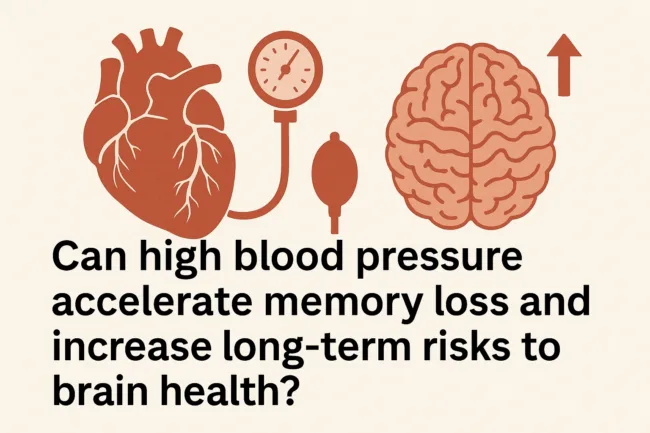
High blood pressure, also known as hypertension, is widely recognized as one of the most significant risk factors for heart disease, stroke, and kidney damage. Yet, emerging research reveals that its impact extends beyond the cardiovascular system. Studies are increasingly showing that elevated blood pressure may accelerate memory loss and contribute to long-term brain health deterioration. This connection has sparked heightened concern among neurologists, cardiologists, and public health specialists who now view hypertension not only as a cardiovascular problem but also as a potential driver of cognitive decline. A recent study comparing people with high blood pressure to those with normal levels found that the hypertensive group exhibited weaker memory performance and reduced brain blood flow, raising critical questions about the link between blood pressure control and mental sharpness over time.
How does high blood pressure cause long-term changes to brain structure and increase memory loss risk?
Blood pressure measures the force of circulating blood against the walls of arteries. When this pressure remains chronically elevated, the constant strain damages the delicate lining of blood vessels, including those that supply oxygen-rich blood to the brain. Over time, this vascular injury can cause narrowing, stiffening, and reduced elasticity in arteries, leading to chronic under-supply of essential nutrients and oxygen. This process may also result in microinfarcts—tiny, often undetected areas of tissue death—and white matter lesions, which are associated with slower cognitive processing and memory impairment.
Neuroimaging studies, particularly those using advanced MRI techniques, have revealed that individuals with poorly controlled hypertension often show reduced brain volume in regions essential for memory formation and recall, such as the hippocampus and prefrontal cortex. These regions are highly sensitive to changes in blood flow. Even modest reductions in oxygen delivery can impair the ability to store new information or retrieve existing memories, making daily tasks increasingly difficult.
What role does reduced cerebral blood flow play in worsening memory problems in people with hypertension?
A critical link between hypertension and memory loss is its effect on cerebral blood flow. The brain requires a constant and steady supply of oxygen and glucose to maintain optimal function. In hypertensive individuals, damage to small blood vessels can restrict this flow, particularly during periods of high cognitive demand, such as when recalling details, learning new information, or problem-solving.
This reduced flow impairs neurovascular coupling—the brain’s ability to increase blood supply in response to heightened activity. Without this adaptive mechanism functioning efficiently, the brain struggles to meet the energy demands of memory-related tasks. Over time, this mismatch between demand and supply may cause lasting deficits, with symptoms ranging from mild forgetfulness to more significant cognitive impairment.
Why might high blood pressure speed up age-related memory decline more than normal aging processes?
Aging naturally brings about some decline in brain volume and slower cognitive processing speeds. However, hypertension appears to amplify these changes, accelerating the timeline and intensifying the severity of decline. One factor is the cumulative mechanical stress high blood pressure places on brain blood vessels, increasing their fragility and susceptibility to rupture or blockage.
Inflammation is another important contributor. Chronic hypertension is associated with elevated levels of inflammatory molecules in the bloodstream. These molecules can cross the blood-brain barrier and interfere with the chemical environment necessary for healthy neuron communication. When combined with oxidative stress from poor vascular health, the result is a compounding effect that undermines brain resilience. Over years or decades, this can significantly reduce the time before noticeable memory impairment begins to appear.
How effective are lifestyle changes and medications in slowing hypertension-related cognitive decline?
Controlling blood pressure is one of the most powerful tools available to protect long-term brain health. Lifestyle interventions such as adopting the DASH diet, which emphasizes fruits, vegetables, whole grains, lean proteins, and reduced sodium, have been proven to lower blood pressure while supporting cognitive performance. Regular physical activity—particularly aerobic exercise—improves vascular elasticity, increases cerebral blood flow, and reduces inflammation, all of which contribute to healthier brain function.
Medical management also plays a crucial role. Antihypertensive medications, including ACE inhibitors, angiotensin receptor blockers, and calcium channel blockers, lower blood pressure and may provide additional neuroprotective effects. Several large population studies have found that people who maintain optimal blood pressure into older age have a slower rate of cognitive decline compared to those with uncontrolled hypertension. This suggests that both lifestyle and pharmaceutical interventions can work together to safeguard memory.
What do recent scientific studies reveal about the relationship between hypertension and memory performance?
The recent comparative study between hypertensive and normotensive adults adds weight to a growing body of evidence linking high blood pressure to measurable declines in memory performance. Participants with hypertension scored lower on short-term and working memory tests and exhibited reduced cerebral perfusion—blood flow to brain tissue—on advanced imaging scans. While researchers caution that correlation does not prove causation, the biological plausibility of the connection is strong given what is known about vascular health and brain function.
These findings have encouraged further research into whether specific classes of blood pressure medications might offer unique brain-protective benefits. For example, early evidence suggests that certain drugs may reduce brain inflammation or improve the function of the endothelial cells lining cerebral blood vessels, potentially slowing the progression of vascular-related cognitive decline.
How can early detection and prevention strategies reduce the risk of hypertension-related memory loss?
The earlier hypertension is identified and treated, the greater the chance of preventing its long-term effects on the brain. Unfortunately, high blood pressure is often called a “silent killer” because it may not cause noticeable symptoms until significant damage has occurred. Routine blood pressure monitoring, particularly for adults over 40, is a simple yet powerful way to detect the problem early.
Prevention strategies should also focus on addressing related conditions that can worsen hypertension’s impact on brain health. Managing diabetes, maintaining healthy cholesterol levels, and avoiding obesity can collectively reduce the risk of vascular dementia and accelerated memory loss. Public health initiatives encouraging regular screenings, nutritional education, and accessible exercise programs are crucial to mitigating this growing health concern.
Why controlling blood pressure is essential for protecting memory and cognitive performance
The link between high blood pressure and memory loss underscores the interconnected nature of cardiovascular and neurological health. Persistent hypertension can damage brain blood vessels, reduce oxygen supply, and trigger structural changes that directly impair memory and learning. Fortunately, this is a modifiable risk factor. Through a combination of regular monitoring, healthy lifestyle choices, and evidence-based medical treatment, individuals can significantly lower their risk of hypertension-related cognitive decline. Addressing high blood pressure early not only supports heart health but also plays a critical role in maintaining mental sharpness and quality of life well into older age.
Discover more from Business-News-Today.com
Subscribe to get the latest posts sent to your email.



