


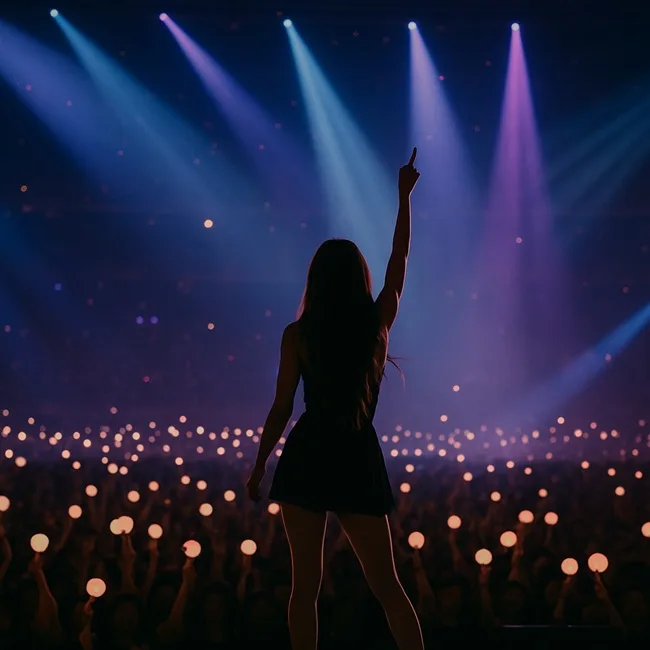
BLACKPINK ignited the Asia leg of their 2025 DEADLINE World Tour with back‑to‑back sold‑out performances on October 18 and 19 at Kaohsiung National Stadium in southern Taiwan. The shows marked a major milestone not only in the group’s touring calendar but also in Taiwan’s live entertainment scene, drawing tens of thousands of fans and triggering a near‑90 percent surge in hotel occupancy across the city. While the scale and energy of the two‑night stadium spectacle reaffirmed BLACKPINK’s dominance as a global touring act, the event also reignited conversations among fans and industry watchers about performance consistency and the physical toll of nonstop touring.
The concerts took place at the 55,000‑capacity Kaohsiung National Stadium, also known locally as the World Games Stadium, a venue previously used for international sporting events. According to Live Nation Taiwan and BLACKPINK’s official Weverse channel, both shows were fully booked in advance, with ticket sales opening in June 2025 and selling out rapidly. Each night saw a flood of fans equipped with signature pink light sticks, transforming the arena into a synchronized “pink ocean.”
What made the Kaohsiung performances stand out compared with previous tour stops?
As with earlier legs of the DEADLINE Tour, the Kaohsiung shows blended group hits and individual spotlights. Jisoo, Jennie, Rosé and Lisa each performed solo sets reflecting their latest releases while returning to global staples like “Kill This Love,” “Pink Venom,” and “How You Like That.” Fans noticed newly designed outfits, augmented‑reality stage visuals and upgraded lighting to suit the open‑air stadium scale.
The production scale was widely praised for its cinematic choreography and stage fluidity. Lisa’s rap sequence drew the loudest crowd reactions, Jennie’s dance‑heavy performance was described by Taiwanese fans as “the highlight of the night,” and Rosé’s ballad medley provided a slower emotional counterpoint before Jisoo’s finale closed the loop. By merging individual artistry with group synergy, BLACKPINK again demonstrated how its hybrid concert model sustains both collective and solo branding momentum.
How strong was the local economic ripple effect across Kaohsiung during the concert weekend?
Taiwanese outlets such as United Daily News and CTS reported that lodging occupancy across central Kaohsiung hovered around 90 percent during the concert dates. The Kaohsiung City Tourism Bureau confirmed it had dispatched inspectors to monitor hotel pricing, ultimately fining three operators for price violations and reviewing more than 50 others. Although viral screenshots circulated showing some luxury hotels charging above NT$40,000 (≈ US$1,200) per night, follow‑up coverage clarified that these were isolated listings rather than representative rates.
Local businesses capitalized on the influx. Convenience stores rolled out limited‑edition snacks, ride‑hailing demand spiked, and the city’s “Light Up in Pink” campaign saw landmark buildings illuminated to celebrate BLACKPINK’s arrival. Municipal officials said tourists arrived from Japan, South Korea, Thailand and Singapore, turning Kaohsiung into a weekend carnival of fan culture and consumer activity.
What are fans and critics saying about BLACKPINK’s live energy and tour endurance?
While enthusiasm ran high, social chatter reflected a split narrative. Some fans on Taiwanese and global K‑pop forums praised the refined visuals and acoustics, calling the shows “a perfect balance of spectacle and intimacy.” Others noted that certain segments felt less energetic, echoing earlier online discussions from the European and North American legs where fatigue concerns were raised.
No official statement has been made by YG Entertainment or the members regarding exhaustion, but these conversations have become part of a wider industry debate about sustainability in mega‑scale touring. Analysts suggest that maintaining vocal and physical performance across dozens of stadium dates in one year pushes even top‑tier acts to their limits. For BLACKPINK, balancing intensity with longevity will define how this tour shapes their brand over the long run.
Why does the Kaohsiung kickoff matter for Asia’s live‑entertainment and tourism sectors?
For Kaohsiung, the concerts served as both a tourism campaign and a global branding experiment. The city marketed the event under the “Light Up in Pink” banner, positioning itself as a welcoming host for large‑scale pop culture gatherings. Officials noted that airports and train stations added extra transport services, while retailers reported record weekend sales. The event illustrated how music tourism can generate multiplier effects across hospitality, transit, retail and digital engagement.
From a regional business perspective, Kaohsiung’s execution offers a playbook for other Asian cities preparing to host high‑profile entertainment events. The coordination between promoters, local government and tourism authorities demonstrated how entertainment can serve as soft‑power diplomacy and economic stimulus rolled into one.
What does the Kaohsiung launch reveal about BLACKPINK’s evolving global tour strategy?
The DEADLINE World Tour’s Asia leg follows major runs across North America and Europe, but its financial core now lies in Asian markets. Industry observers project higher per‑ticket merchandise sales and lower logistics costs across Southeast Asia, meaning this segment could become the tour’s profitability anchor. Cities like Bangkok, Jakarta and Singapore are expected to replicate Kaohsiung’s sell‑out pattern, given BLACKPINK’s dominant regional following.
At the same time, the tour exposes the strain of keeping a global brand fresh while navigating constant media scrutiny. Where early tours thrived on novelty, 2025 audiences expect innovation each night—from setlist tweaks to thematic storytelling. Kaohsiung’s success suggests BLACKPINK still commands unmatched stage power, yet also underscores the need for pacing if the group aims to sustain momentum through year‑end.
Could BLACKPINK’s Asia leg reshape how global pop tours are structured post‑2025?
The Kaohsiung performances underscore a powerful truth about modern K-pop: concerts are no longer mere entertainment spectacles—they are national-scale events capable of moving economic indicators, influencing travel behavior, and reshaping urban identity, even if temporarily. From the near-90% lodging occupancy to the pink-lit skyline and targeted city-wide branding campaigns, BLACKPINK’s DEADLINE World Tour served as a case study in what happens when fan-driven demand converges with civic infrastructure and brand choreography. For cities across Asia grappling with post-pandemic tourism recovery or seeking new avenues to engage younger demographics, this concert model is not just replicable—it is rapidly becoming a blueprint.
However, the operational success of events at this scale also exposes the pressure points that demand urgent industry attention. Artist fatigue has become a recurring concern in the K-pop sector, amplified by the sheer velocity of global touring calendars. BLACKPINK’s Kaohsiung stop, while visually stunning, reignites debate over whether current scheduling norms allow sufficient recovery time between shows—especially when transitioning across countries and climates with little downtime. Similarly, the sharp lodging rate spikes and subsequent government penalties in Taiwan point to a growing need for proactive pricing oversight and accommodation regulation when large-scale pop events are staged in mid-tier cities.
Infrastructurally, the burden on public transport, event security, mobile data networks, and even waste management intensifies when 50,000 fans descend on a metro area over a single weekend. While Kaohsiung handled the influx admirably, many secondary cities may lack the urban elasticity to absorb such cultural waves without coordinated, preemptive planning across agencies. For industry stakeholders—tour promoters, label executives, municipal planners, and hospitality alliances—the Kaohsiung model offers both inspiration and warning. It’s proof that K-pop has reached a geopolitical scale, but also a reminder that success hinges on balancing spectacle with sustainability.
As BLACKPINK heads into upcoming stops in Bangkok, Jakarta, and Singapore, the metrics of success will no longer be confined to ticket sales, merch revenue, or trending hashtags. The true measure will be how well the tour maintains performance quality, member well-being, and fan goodwill in parallel. Kaohsiung has already set a new regional standard in execution, logistics, and cultural visibility. What remains to be seen is whether the rest of the Asia leg solidifies the DEADLINE World Tour as a new gold standard in transnational entertainment—or if mounting fatigue and logistical friction turn it into a cautionary tale about the limits of global pop scalability in 2025.
What are the key takeaways from BLACKPINK’s Kaohsiung DEADLINE World Tour kickoff and what it means for Asia?
- BLACKPINK opened the Asia leg of their 2025 DEADLINE World Tour with sold-out stadium shows on October 18 and 19 at Kaohsiung National Stadium, drawing tens of thousands of fans.
- Kaohsiung’s hotel occupancy reportedly surged to nearly 90% over the concert weekend, prompting city inspections and fines for price gouging by local lodging operators.
- The concerts triggered city-wide branding efforts, with local infrastructure, transportation, and tourism bureaus coordinating themed campaigns like “Light Up in Pink” to maximize cultural and economic impact.
- Each member—Jisoo, Jennie, Rosé, and Lisa—delivered solo performances alongside core group hits, while fans praised production quality even as some raised concerns over energy levels and fatigue.
- The Kaohsiung shows demonstrated how K-pop tours now function as national-scale economic and diplomatic events, underscoring the need for better artist rest schedules, local pricing oversight, and urban planning.
- As BLACKPINK prepares for upcoming Asia stops in Bangkok, Jakarta, and Singapore, the focus will shift from sellout status to sustainability, logistical execution, and maintaining fan trust at scale.
Discover more from Business-News-Today.com
Subscribe to get the latest posts sent to your email.