

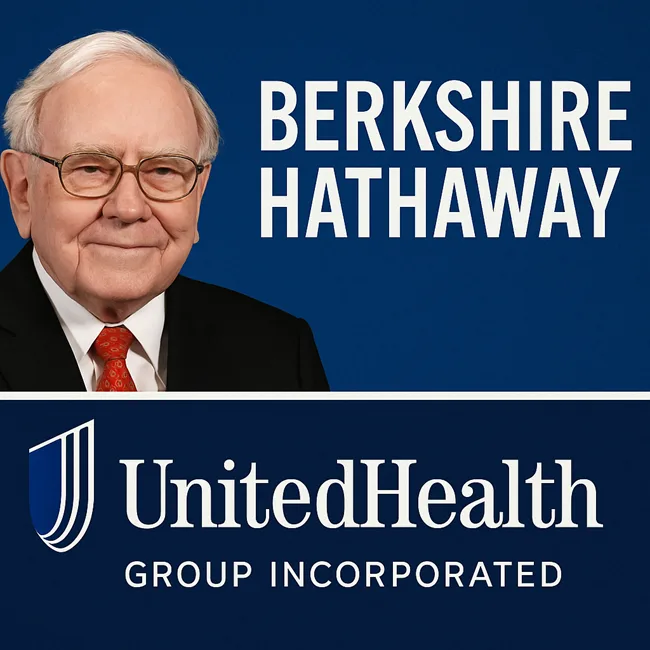
Warren Buffett’s Berkshire Hathaway Inc. (NYSE: BRK.A, NYSE: BRK.B) has taken Wall Street by surprise with a substantial re-entry into UnitedHealth Group Inc. (NYSE: UNH), disclosing a stake worth roughly USD 1.57 billion in its second-quarter 2025 U.S. Securities and Exchange Commission (SEC) 13F filing. The move—revealing ownership of approximately 5 million shares—immediately sent UnitedHealth shares higher in after-hours trading on August 14, with gains in the 7 percent to 8.5 percent range.
The disclosure comes at a time when UnitedHealth is navigating one of the most turbulent years in its history, grappling with rising medical costs, cybersecurity breaches, regulatory scrutiny, and high-profile leadership challenges. Yet, for Berkshire, this appears to be the kind of opportunity that has historically defined Buffett’s investment playbook: acquiring high-quality franchises during periods of investor pessimism.
Why would Berkshire Hathaway re-enter UnitedHealth after more than a decade away from the stock?
Berkshire’s history with UnitedHealth dates back to the mid-2000s, when it first took a position in the insurer before exiting completely by 2010. The current purchase marks the conglomerate’s first disclosed holding in the company in 15 years. Market observers note that under Berkshire’s internal capital allocation guidelines, equity purchases above USD 1 billion are typically initiated or approved by Buffett himself. That scale of investment suggests the decision may have been driven by the veteran investor’s conviction, rather than delegated to portfolio managers Todd Combs or Ted Weschler.
The investment comes as UnitedHealth’s valuation has been compressed by a series of setbacks. Year-to-date, the stock is down roughly 46 percent, a decline fueled by surging utilization rates in its insurance business, a ransomware attack on its Change Healthcare subsidiary that disrupted operations nationwide, and the fatal shooting of a senior executive earlier this year. For Buffett, such conditions—though negative in the short term—can offer the sort of discounted entry points that have historically led to outsized long-term gains when a company’s underlying competitive position remains intact.
How does UnitedHealth’s current operating environment create both risks and opportunities for investors?
UnitedHealth remains the largest health insurer in the United States, with leadership positions in Medicare Advantage, employer-sponsored plans, and healthcare services through its Optum segment. However, 2025 has tested the resilience of that leadership. The company has warned of billions in additional costs tied to higher medical claims and the fallout from the Change Healthcare cyberattack. It has also faced an intensifying regulatory climate, with federal probes into certain billing and contracting practices.
Institutional sentiment toward the stock has been cautious for most of the year, with many investors waiting for clear signs of cost stabilization and regulatory resolution before adding to positions. Berkshire’s move could be read as an institutional endorsement of UnitedHealth’s ability to weather these pressures and restore profitability in the medium term. Analysts point to the insurer’s integrated business model—which combines insurance, healthcare delivery, and data analytics—as a structural advantage in managing costs and expanding margins once short-term disruptions subside.
How does this stake fit into Berkshire Hathaway’s wider portfolio strategy in 2025?
The UnitedHealth purchase came alongside a broader reshaping of Berkshire’s USD 377 billion equity portfolio. The same 13F filing revealed that Berkshire reduced its stake in Apple Inc. by 20 million shares, leaving it with approximately 280 million shares. It also trimmed holdings in Bank of America Corp. and fully exited its position in T-Mobile US Inc.
At the same time, Berkshire disclosed new positions in a mix of industrial, housing, and advertising companies, including Nucor Corp., Lennar Corp., DR Horton Inc., Lamar Advertising Co., and Allegion PLC. This diversification appears consistent with a strategy of balancing cyclical growth plays with defensive holdings like healthcare, which can perform steadily through varying economic conditions.
What has been the market reaction to Berkshire’s UnitedHealth investment, and what does it reveal about sentiment?
The announcement triggered an immediate rally in UnitedHealth shares, which climbed between 7 percent and 8.5 percent in after-hours trading. The gains reflected not just relief at the vote of confidence from one of the world’s most closely watched investors, but also the broader market perception that Berkshire’s due diligence and capital discipline make its moves a valuable signal.
The so-called “Buffett effect” has long been documented, with stocks often rising sharply on news of a Berkshire purchase. In this case, the reaction extended beyond UnitedHealth, contributing to a modest lift in Dow Jones Industrial Average futures. While short-term price spikes following Berkshire disclosures are common, sustaining those gains will depend on UnitedHealth’s ability to address operational challenges in the quarters ahead.
Could Berkshire’s timing reflect a bet on easing regulatory headwinds and a rebound in healthcare spending?
While Berkshire does not comment publicly on its individual stock purchases, market speculation centers on two possible catalysts: an eventual moderation in regulatory scrutiny and a normalization of healthcare utilization rates post-pandemic. Some analysts believe federal agencies may shift toward more collaborative oversight if insurers demonstrate improved transparency and patient outcomes. At the same time, rising demand for healthcare services—driven by demographics, chronic disease prevalence, and expanded coverage—could restore revenue growth across the sector.
For Berkshire, the combination of a temporarily depressed stock price and long-term structural demand in healthcare may have outweighed the near-term uncertainties. This aligns with Buffett’s broader investment philosophy of favoring companies with durable competitive advantages, strong cash generation, and market leadership, even when their short-term earnings picture is clouded.
What is the medium-term outlook for UnitedHealth following Berkshire’s vote of confidence?
Looking ahead, UnitedHealth’s ability to reassure regulators, restore investor trust, and bring cost trends under control will be decisive. Key priorities include strengthening cybersecurity infrastructure to prevent further breaches, optimizing medical cost management strategies, and maintaining growth in Optum’s high-margin services.
If successful, the company could see a rebound in profitability and stock performance, potentially validating Berkshire’s timing. However, investors should also consider sector-wide pressures such as political debate over Medicare Advantage payments, rising labor costs in healthcare delivery, and potential shifts in insurance reimbursement frameworks.
Institutional investors tracking the healthcare sector will likely monitor UnitedHealth’s quarterly updates closely, assessing whether operational improvements are sufficient to offset headwinds. For retail investors, the Berkshire stake may offer reassurance, but diversification across industries remains essential.
Discover more from Business-News-Today.com
Subscribe to get the latest posts sent to your email.