



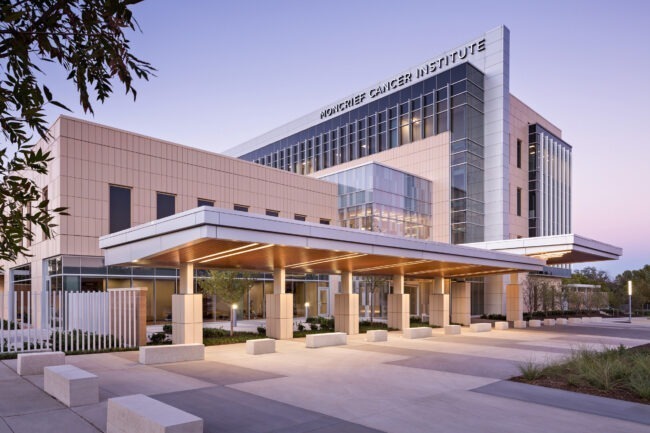
Architectural Fabrication, Inc. and Armetco Systems, two Texas-based companies with deep legacies in commercial architectural metalwork, announced the formal merger of their operations on January 13, 2026. The newly integrated platform brings together both companies’ capabilities in aluminum composite cladding, curtain wall systems, sunshades, canopies, and custom metal fabrication under a single operational structure. While the merger does not involve a change in ownership or leadership disruption, it represents a strategic evolution aimed at improving customer delivery, operational depth, and long-term growth prospects across national markets.
Jeff Cash will continue to serve as Chief Executive Officer and Integrator of the unified organization, while Jeff Kenny will remain as Owner and Visionary. This continuity at the executive level reinforces that the merger is not a distressed consolidation or acquisition, but a planned alignment rooted in years of collaboration between the two companies. Together, Architectural Fabrication and Armetco Systems aim to create a stronger customer experience by offering a broader, integrated set of services while maintaining consistency in contracts, contacts, and commitments.
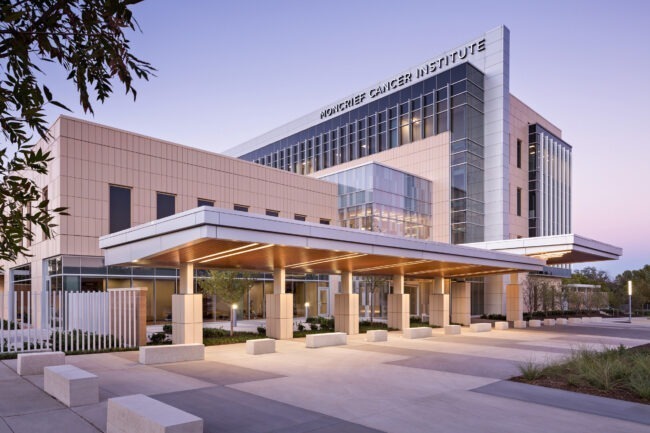
How this unification creates a vertically integrated platform across design, fabrication, and installation
At its core, the merger is about platform-building. Architectural Fabrication has historically specialized in sun control systems and exterior shading elements such as louvers, trellises, and canopies. Armetco Systems, by contrast, has focused more on metal cladding solutions, particularly aluminum composite panels, plate panels, and complete curtain wall systems. Together, the companies now cover the full span of the architectural metal value chain, from engineered product design through to on-site installation support.
With the inclusion of Alumination Architectural Products, the national distributor of wood-look planks and batten-style aluminum panels, the merged entity now offers a portfolio that balances aesthetic appeal with functional performance. From decorative façades to high-performance exterior cladding solutions that meet building codes and fire safety standards, the combined capabilities will likely appeal to a broader base of architects, design-build firms, and institutional clients who prioritize both design flexibility and compliance assurance.
The decision to name Ryan Martin, formerly President of Armetco Systems, as Global Chief Sales Officer is another signal that sales strategy, channel integration, and national account management are central to the company’s post-merger execution plan. Martin’s responsibilities span all three divisions, suggesting a consolidated pipeline that improves cross-selling potential, simplifies quoting processes, and offers greater responsiveness in fast-moving construction cycles.
Why national reach and operational clarity are now competitive advantages in architectural metals
In a market where supply chain predictability and project scheduling discipline have become critical, companies that offer both manufacturing capacity and integration capabilities are in a stronger position to win major bids. This is especially true in commercial segments such as healthcare, education, government, and data center development, where performance requirements are strict and any delay can affect downstream subcontractor timelines.
Kevin Wampler’s appointment as Vice President of Operations further reinforces the company’s intent to unify manufacturing standards, consolidate procurement channels, and improve plant-to-project coordination. While the companies already shared a working relationship prior to the merger, a centralized operational leadership structure allows the new entity to reduce duplication, improve throughput visibility, and optimize resource allocation across multiple facilities.
From a capital allocation standpoint, this also positions the company to plan future expansion or capacity upgrades in a way that reflects unified forecasting across product lines. For example, future investments in CNC machinery, anodizing capacity, or prefabrication modules can now be approached from a platform-wide ROI perspective, rather than siloed capex planning by individual brands.
How consolidation impacts customer perception and project lifecycle management
One of the most immediate benefits for customers will likely be greater consistency in project delivery. With integrated sales and operations, the merged company can coordinate early design assistance, shop drawings, procurement, and installation support as part of a single project workflow. This reduces the handoff friction often seen in architectural product supply chains where sales, engineering, and manufacturing are distributed across disconnected vendors.
Moreover, the merger sends a message to general contractors and developers that the company is serious about scalability, quality control, and customer retention. In an era where change orders, procurement delays, and product substitutions can derail projects, an integrated vendor that controls more of the product lifecycle is seen as less risky and more dependable.
From a brand perspective, maintaining the Architectural Fabrication and Armetco Systems names while presenting a unified operational front reflects a hybrid branding strategy. It allows both legacy companies to preserve name recognition in their respective markets while making it easier to onboard new clients under a consolidated offering. This dual-brand posture is increasingly common in business-to-business sectors where customer loyalty is strong, but solution portfolios need to evolve.
What competitive shifts this may trigger across regional fabricators and national suppliers
If successful, the merger could prompt other mid-sized architectural metal players to pursue similar integrations. The fabrication and cladding sector remains fragmented, with many local and regional firms still operating as either job shops or boutique design houses with limited geographic scale. By contrast, this merger positions the Architectural Fabrication–Armetco platform as a nationally coordinated enterprise that can handle high-volume institutional projects as well as custom aesthetic installations.
In parallel, national general contractors may increasingly look for partners who can act as single-source providers across cladding scopes. This is particularly relevant in design-build projects or fast-track schedules where coordination risk is amplified. The new platform is well-positioned to address this demand, especially as the U.S. construction market continues to shift toward modularization, prefabrication, and digital coordination in BIM environments.
There is also a financial and strategic play at work. A larger platform with unified operations is more attractive to potential investors, whether private equity firms focused on construction roll-ups or institutional investors seeking exposure to infrastructure-driven growth. While the merger is internally driven at this stage, it creates optionality for future capital raises, joint ventures, or geographic expansions should the company choose to pursue them.
What execution risks remain and how the company is positioning to address them
Despite the advantages, any merger of this size carries execution risks. Coordinating sales strategies, integrating back-end systems, and aligning manufacturing protocols are non-trivial challenges. The appointment of Ryan Martin and Kevin Wampler to cross-divisional roles is a strong first step, but success will depend on how quickly processes, KPIs, and team cultures are aligned.
There is also a broader question of labor availability. Scaling production while maintaining quality standards requires a stable, skilled workforce across fabrication sites. Training programs, retention strategies, and capacity planning will need to keep pace with any demand growth resulting from the merger’s broader project pipeline.
Customer communication is another sensitive area. Even though the merger announcement emphasized continuity in contracts and service, any transition carries a perception risk. The merged entity must ensure that its internal integration efforts are invisible to clients and that legacy relationships are reinforced, not disrupted.
Why this merger reflects larger trends in the built environment supply chain
More broadly, the Architectural Fabrication and Armetco Systems merger is part of a growing trend in the U.S. building products sector: the shift from product vendor to integrated solution provider. As developers and architects seek partners who can manage complexity, reduce cycle times, and de-risk projects, the value of vertically integrated platforms increases. This trend is already evident in other specialty trades such as glazing systems, HVAC units, and electrical components.
The move also coincides with increasing scrutiny of building materials in the wake of fire safety regulations and sustainability benchmarks. Metal cladding systems, particularly those using non-combustible aluminum composite materials, are in rising demand. As municipalities update codes and developers seek LEED certification, companies that can offer code-compliant, recyclable, and design-flexible solutions stand to benefit.
With U.S. infrastructure spending and institutional building starts expected to remain robust through 2026 and beyond, the merged company is well-positioned to capture new demand cycles. If it can execute integration cleanly and maintain customer focus, the Architectural Fabrication–Armetco platform could emerge as a case study in how specialty suppliers can scale without losing precision.
Key takeaways: What this merger means for the architectural cladding and fabrication industry
- Architectural Fabrication and Armetco Systems have merged to create a unified national platform focused on aluminum cladding, fabrication, and custom metal systems.
- The deal preserves existing leadership while formalizing a long-standing collaboration, positioning the new entity for streamlined scale-up.
- The company now spans sunshades, curtain wall panels, wood-look planks, and more, broadening its appeal to architects and design-build contractors.
- Leadership roles across operations and sales have been restructured to enable national expansion and future acquisitions.
- The merger allows customers to engage with a single integrated partner across fabrication, engineering, and installation scopes.
- Execution risk remains tied to multi-site coordination, labor scale-up, and supply chain management—especially for aluminum and specialty finishes.
- The move reflects broader industry trends favoring integrated solution providers in a fragmented specialty construction materials market.
- Success here could trigger similar roll-ups across the sector, especially among regional firms seeking operational synergy and growth capital.
Discover more from Business-News-Today.com
Subscribe to get the latest posts sent to your email.