




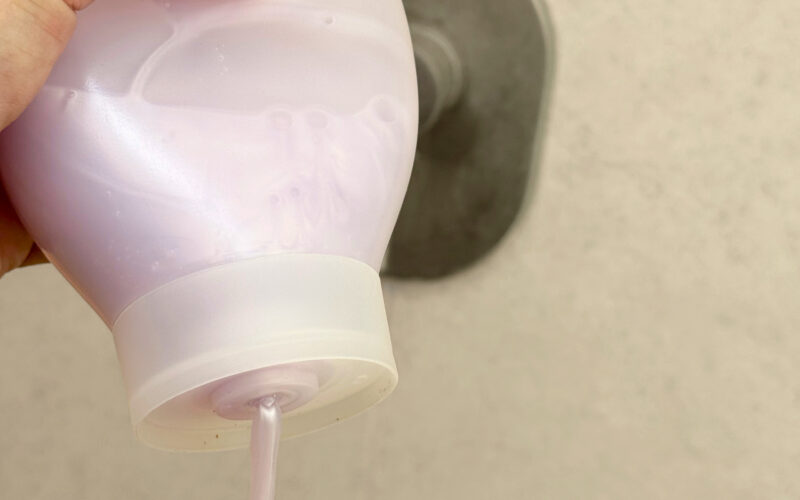
AptarGroup, Inc. (NYSE: ATR) has launched a new line of inverted lidless dispensing closures for beauty and personal care products, extending its patented SimpliSqueeze valve technology into categories such as shampoo, conditioner, body wash, baby soap, lotion, and pet shampoo. The move gives AptarGroup a broader runway in consumer product dispensing at a time when packaging suppliers are being pushed to deliver cleaner usage, stronger shelf appeal, and more accessible product formats. The announcement is strategically relevant because AptarGroup is applying a technology already familiar in inverted condiment packaging to a higher-margin, brand-sensitive consumer category. AptarGroup shares recently traded at $124.73, giving the company a market value of about $8.31 billion and leaving the stock well below its 52-week high of $164.28, which makes execution in growth adjacencies more important for investor sentiment.
Why is AptarGroup taking inverted lidless dispensing closures into beauty and personal care now?
AptarGroup’s new closure line is not just another cap redesign. It reflects a broader shift in beauty and personal care packaging away from simple containment and toward controlled, low-friction dispensing. In categories such as shampoos, conditioners, body washes, lotions, baby soaps, and pet shampoos, the consumer’s interaction with the package often happens in awkward conditions: wet hands, slippery bottles, rushed routines, or one-handed use. That gives a packaging component supplier a chance to influence the user experience without changing the formulation inside the bottle.
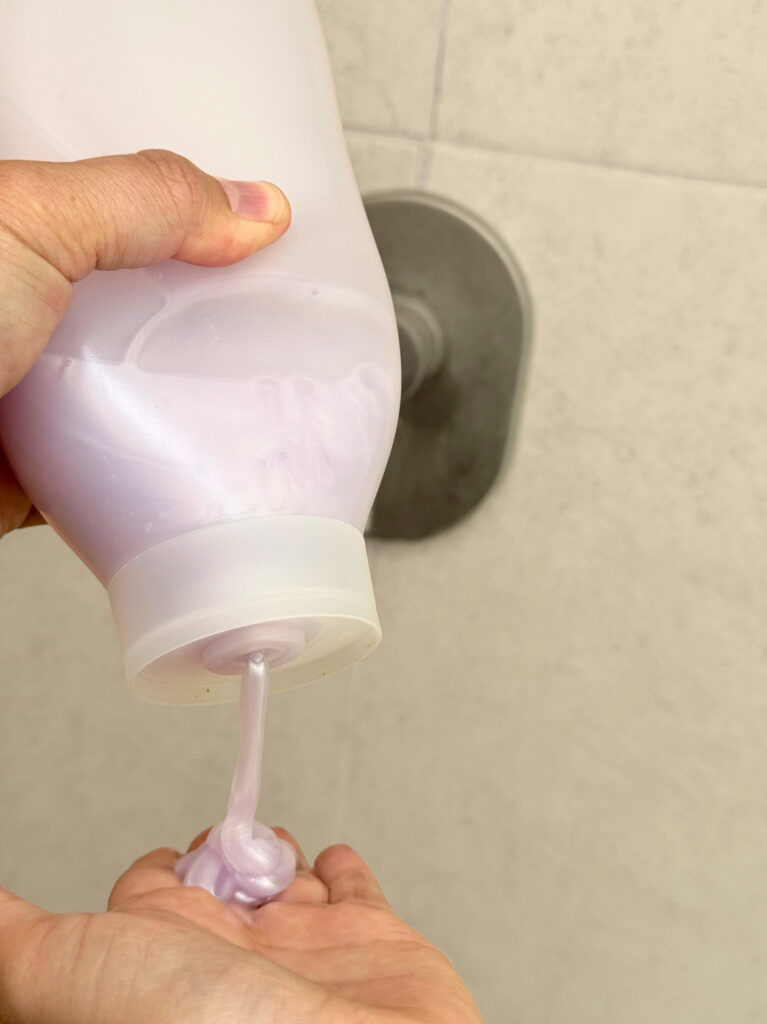
The inverted lidless format addresses a basic but commercially important pain point. Traditional flip caps, screw caps, and pump systems each carry trade-offs. Flip caps can collect residue, screw caps require two-handed handling, and pumps may be costlier or less suitable for certain viscosities and bottle formats. AptarGroup’s approach removes the separate lid and uses the SimpliSqueeze valve to open when pressure is applied and close when the squeeze is released. That structure is designed to reduce drips, unwanted mess, and unintended dispensing, while allowing the package to remain ready to use in an inverted position.
The timing also makes sense because beauty and personal care brands are competing on tactile experience as much as formulation. A shampoo may be marketed through scent, ingredients, hair outcome, or premium positioning, but repeat consumer satisfaction often depends on small daily moments. A bottle that does not require fiddling with a cap in the shower may not sound dramatic, but in mass beauty, minor usability improvements can drive outsized brand perception. Packaging is where the consumer physically meets the promise.
How does SimpliSqueeze give AptarGroup a reusable platform beyond food packaging?
AptarGroup’s strongest argument is that this is not an untested technology trying to find its first commercial home. The company has already used SimpliSqueeze valves in inverted condiment packaging, the kind of application where clean cutoff, flow control, and product retention matter every day. AptarGroup’s own positioning around the technology highlights its use in upright or inverted packaging and its stay-clean, non-drip dispensing benefits.
That matters because platform reuse is often more powerful than one-off product innovation. If AptarGroup can transfer an established valve architecture from food and beverage into beauty, personal care, pet care, home care, and hair care, it can spread design, tooling, manufacturing, and customer education benefits across multiple end markets. For a packaging technology company, the prize is not a single closure. The prize is a repeatable dispensing standard that brand owners can adapt across product families.
The beauty and personal care market also gives AptarGroup a different economic lens. Food packaging often competes heavily on scale, cost, and performance reliability. Beauty packaging adds brand theatre, shelf aesthetics, and consumer perception. A closure that feels cleaner and more premium can be more than a functional upgrade. It can become part of the product’s value proposition, especially for brands trying to justify premium pricing in crowded shelves and online marketplaces.
What does this launch signal about AptarGroup’s broader consumer packaging strategy?
The launch signals that AptarGroup is trying to deepen its role as a design and dispensing partner rather than remain a component supplier competing mainly on volume. That distinction is important. In consumer goods, the package increasingly has to solve multiple problems at once: usability, waste reduction, hygiene perception, premium appearance, accessibility, and manufacturability. A supplier that can address several of those needs in one closure has more strategic relevance to brand owners than a supplier offering a basic cap.
AptarGroup also appears to be using the product launch to reinforce cross-category leverage. The company said its inverted lidless technology is already being featured on a pet care shampoo line and that additional versions have been introduced in home care and hair care markets. That matters because early commercial use can help reduce adoption hesitation among beauty and personal care brands. Packaging managers are usually cautious because failed closures can create leakage, returns, negative reviews, and supply chain headaches. A proof point in adjacent categories gives AptarGroup a more credible starting position.
The company’s broader portfolio also supports this strategy. AptarGroup operates across drug delivery, dosing, protection technologies, and consumer product dispensing, which gives it exposure to regulated healthcare, beauty, food and beverage, and other consumer markets. That mix is useful because precision dispensing is not confined to one sector. A closure technology that improves flow control in one market can often be re-engineered for another, provided the company can handle formulation compatibility, manufacturing economics, and brand design requirements.
Why could clean dispensing become a sharper competitive issue for beauty brands?
Clean dispensing is becoming more strategically valuable because consumers increasingly judge products by the total usage experience rather than by the label claim alone. Beauty and personal care products sit in bathrooms, showers, travel bags, nurseries, gyms, and salons. A messy bottle can weaken the perception of quality even when the formulation performs well. That is where AptarGroup’s inverted lidless closures could matter: they target a common daily irritation that many consumers notice but rarely articulate until a better alternative appears.
Single-handed dispensing also gives the format an accessibility angle. AptarGroup specifically framed the closures as useful for situations such as parents dispensing infant body wash while bathing a baby. That is not a niche benefit. Packaging that is easier to operate with wet hands, reduced grip strength, or limited mobility can broaden usability across age groups and household situations. In consumer goods, accessibility does not need to be positioned as a clinical feature to be commercially meaningful.
The bigger competitive implication is that packaging convenience may become another way for brands to defend pricing. In mass and premium personal care, many formulations are increasingly comparable. Ingredients are copied quickly, fragrance trends move fast, and digital-native brands can enter categories with relatively low barriers. Packaging that creates a cleaner and more intuitive daily interaction can become one of the few physical differentiators that competitors cannot instantly replicate without supplier access, tooling changes, and production validation.
How should investors read AptarGroup’s packaging innovation against recent financial performance?
Investors should read the launch as a small but strategically useful extension rather than a near-term financial reset. AptarGroup reported full-year 2025 sales of $3.78 billion, up 5 percent from the prior year, while core sales rose 2 percent. The company’s fourth-quarter 2025 reported sales increased 14 percent to $963 million, but profitability was more mixed, with production costs and product mix limiting the benefit of top-line growth.
That financial backdrop matters. AptarGroup does not need every closure launch to materially shift revenue on its own. What it needs is a pipeline of higher-value, differentiated components that can support mix, pricing resilience, and customer stickiness over time. In that sense, inverted lidless dispensing closures fit the kind of incremental innovation that can compound if adopted across multiple personal care brands and regions.
The stock context adds another layer. At about $124.73, AptarGroup’s shares were trading meaningfully below the 52-week high of $164.28 and above the 52-week low of $103.23. That suggests investors are not pricing the company as if every innovation cycle is already solved. The market is likely looking for evidence that AptarGroup can convert revenue growth into stronger margins, sustain demand across segments, and keep its innovation pipeline commercially relevant. A closure launch will not answer all of that, but it can support the narrative that AptarGroup still has room to extract value from proprietary dispensing technologies.
What execution risks could limit adoption of AptarGroup’s inverted lidless closures?
The first execution risk is brand conversion. Beauty and personal care companies do not change packaging formats casually. A new closure can require compatibility testing, line adjustments, fill-rate validation, shipping trials, leakage testing, consumer trials, and shelf-readiness checks. Even if the technology performs well, adoption cycles may be slower than the launch language suggests. Packaging innovation is often a marathon wearing a very small plastic hat.
The second risk is cost sensitivity. In high-volume categories such as shampoo and body wash, even modest component cost increases can matter. Premium brands may be more willing to pay for cleaner dispensing and better shelf appeal, but mass-market brands will weigh the closure against margin pressure, promotional intensity, and retailer pricing expectations. AptarGroup will need to show that the format can deliver enough consumer-perceived value to justify any added complexity or cost.
The third risk is sustainability perception. Lidless designs may reduce the need for separate caps and can help maximize product use, but beauty packaging is under scrutiny for plastic intensity, recyclability, and material choices. If brands want to position these closures as part of a broader packaging improvement story, they will likely need clear answers on recyclability, material compatibility, and lifecycle trade-offs. Convenience alone may not be enough in a market where sustainability claims are increasingly examined by regulators, retailers, and consumers.
Could AptarGroup’s beauty packaging push pressure rivals in consumer dispensing technologies?
AptarGroup’s move could pressure rival packaging suppliers by raising the competitive bar around controlled dispensing. Once a major supplier demonstrates a cleaner, single-handed inverted format across beauty and personal care, other closure manufacturers may need to respond with comparable flow-control, hygienic, or accessibility-focused designs. That does not mean AptarGroup will own the category, but it may influence the direction of product development.
The competitive pressure may be strongest where brands are already trying to premiumize routine products. Hair care, baby care, pet grooming, and body wash all have room for packaging-led differentiation. A brand that wants to look cleaner, more modern, and easier to use may see more value in an inverted lidless closure than in yet another label redesign. If retailers and consumers respond positively, packaging decisions in adjacent categories could move quickly.
The broader industry signal is that packaging suppliers are being asked to solve brand problems, not just engineering problems. AptarGroup’s launch shows how a component can become part of the marketing story, the accessibility story, and the waste-reduction story at the same time. For competitors, that raises the challenge. A cheap cap may still win in some categories, but in premium and semi-premium consumer goods, the cap is increasingly part of the product experience.
What should executives watch next as AptarGroup scales inverted lidless dispensing?
The next test is commercial adoption beyond early product lines. Investors and industry executives should watch whether AptarGroup announces additional beauty, home care, hair care, or pet care brand wins using the inverted lidless technology. One pet care shampoo line proves feasibility. Multiple category launches would suggest platform momentum.
The second watchpoint is whether AptarGroup can link the closure format to brand economics. If brand owners report better consumer feedback, lower product waste, fewer messy-use complaints, or stronger shelf differentiation, AptarGroup’s value proposition becomes easier to defend. If the technology remains a niche premium feature, it may still be valuable but less transformational.
The third watchpoint is whether AptarGroup uses this launch to reinforce margin quality in its Closures and Beauty businesses. The company’s 2025 results showed revenue growth, but margin execution remains important for investor confidence. Proprietary dispensing formats are useful because they can potentially support pricing power and customer retention. The strategic question is not whether consumers like cleaner shampoo bottles. Most probably do. The harder question is whether AptarGroup can turn that preference into a scalable, profitable packaging platform.
Key takeaways on what AptarGroup’s inverted lidless closures mean for beauty packaging and ATR investors
- AptarGroup is extending a proven valve-based dispensing platform from food-style inverted packaging into beauty and personal care, where premium feel and daily usability carry greater brand value.
- The launch targets a real consumer pain point: messy, two-handed, drip-prone dispensing in bathrooms, showers, baby care routines, and pet care use cases.
- SimpliSqueeze gives AptarGroup a reusable technology base, which may help the company spread innovation economics across beauty, home care, hair care, pet care, food, and other dispensing markets.
- For beauty and personal care brands, the closures could support cleaner product use, stronger shelf appeal, and differentiation in categories where formulations are increasingly easy to imitate.
- For AptarGroup investors, the launch is not a near-term earnings event, but it supports the company’s longer-term case for proprietary, higher-value packaging innovation.
- AptarGroup’s recent financial context makes execution important, as full-year 2025 sales growth was solid but margin conversion remains a key investor question.
- The stock’s position below its 52-week high suggests investors may want more evidence that AptarGroup can translate product innovation into durable growth and stronger profitability.
- Adoption risks include packaging conversion costs, brand testing cycles, sustainability scrutiny, and the need to justify any premium over conventional closures.
- The competitive signal is clear: consumer packaging suppliers are moving from basic caps toward experience-led dispensing systems that influence brand perception.
- The next proof point will be whether AptarGroup can move from early market introductions to broader multi-brand adoption across beauty, personal care, home care, and pet care.
Discover more from Business-News-Today.com
Subscribe to get the latest posts sent to your email.