



What is Brahmi and why is Bacopa monnieri regarded as a powerful medicinal herb in both ancient and modern healing?
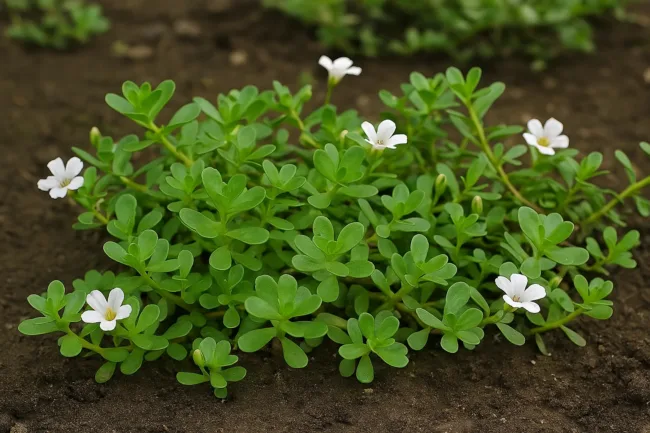
Brahmi, scientifically known as Bacopa monnieri, is a creeping, succulent herb that has been celebrated in traditional Indian medicine for centuries. It thrives in marshy wetlands and coastal areas, particularly in India, where it has been an integral part of Ayurvedic formulations. Recognised by different names across regions—such as Coastal Waterhyssop, Water Hyssop, Indian Pennywort, Jalanevari, and Nirbrahmi—it has been valued for its ability to enhance mental clarity, improve learning capacity, and promote overall neurological health.
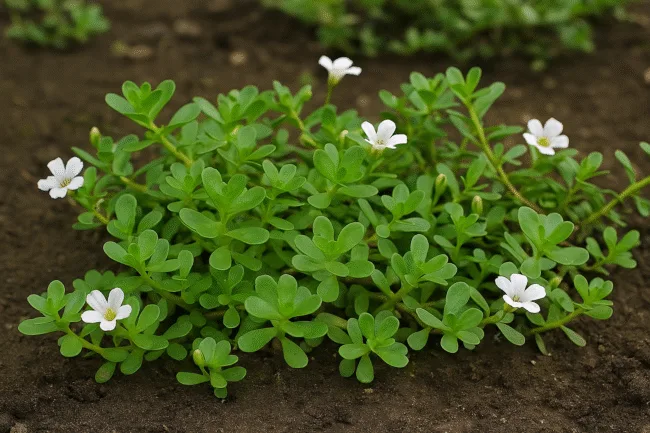
Belonging to the Scrophulariaceae family, Brahmi produces small, fleshy, oblong leaves and delicate flowers. Both the stems and leaves are used medicinally, typically in fresh form or dried for herbal preparations. Ayurveda classifies Brahmi as a “Medhya Rasayana,” a rejuvenating herb for the mind, intellect, and memory, making it a staple for students, scholars, and those seeking cognitive longevity. In modern contexts, it is increasingly studied for its neuroprotective, anti-inflammatory, and adaptogenic effects.
What chemical constituents are found in Brahmi and how do they contribute to its therapeutic effects on the human body?
Brahmi’s medicinal potency comes from a diverse profile of bioactive compounds. Among these, the alkaloids brahmine and herpestine are known for their calming effects on the nervous system, helping to promote relaxation without sedation. The herb also contains saponins—most notably bacosides A and B—which are considered the primary agents responsible for its cognitive-enhancing capabilities. Upon hydrolysis, bacosides yield triterpenoid aglycones called bacogenins A and B, which influence neurotransmission and support synaptic health.
Other significant constituents include betulic acid, which has demonstrated anti-inflammatory and anti-tumour potential, and stigmasterol, a plant sterol linked to cholesterol regulation and hormone balance. Monnierin and hersaponin, two other notable compounds, are thought to improve mental performance and may exert cardiotonic benefits. This complex phytochemical mix enables Brahmi to act on multiple systems of the body, extending its relevance beyond brain health to general wellbeing.
How has Brahmi traditionally been used as a nervine tonic and what evidence supports its role in enhancing brain function?
In traditional medicine, Brahmi has been prescribed to sharpen focus, enhance recall, and maintain mental composure, making it a go-to herb for those engaged in intellectual or spiritual pursuits. Ayurvedic practitioners often combined it with other herbs in formulations aimed at balancing mental energy and reducing cognitive fatigue.
Modern research provides a scientific basis for these traditional claims. Bacosides have been shown to stimulate protein kinase activity in neurons, which in turn promotes the synthesis of proteins critical for memory consolidation. These proteins help strengthen the structural integrity of neurons, particularly in the cerebrum—regions of the brain involved in long-term memory and learning processes. Clinical studies suggest that regular use of Brahmi extracts may improve learning speed, information retention, and mental processing ability, while also helping to modulate stress responses.
How is Brahmi applied in the treatment of respiratory, neurological, and psychiatric conditions according to traditional and modern knowledge?
Brahmi’s therapeutic applications extend beyond cognitive support. In Ayurveda, it has been used to alleviate asthma by reducing airway inflammation and easing bronchial constriction. Its calming influence on the nervous system is believed to indirectly help manage stress-related respiratory symptoms.
For neurological conditions such as epilepsy, Brahmi has historically been valued for its anticonvulsant properties. It is thought to influence GABAergic activity in the brain, which plays a key role in controlling neuronal excitability. Additionally, its use in managing psychiatric disorders—including certain forms of psychosis—stems from its ability to stabilise mood and reduce agitation. While modern medicine has more advanced psychiatric treatments, ongoing research continues to explore Brahmi’s supportive role in mental health management.
As an aperient, Brahmi gently stimulates bowel movements, and as a diuretic, it aids in eliminating excess fluids and toxins from the body. These actions further reinforce its position as a multi-functional herbal remedy.
What role do bacosides play in dementia care and how might Brahmi support neuroregeneration?
One of the most intriguing findings in modern Brahmi research concerns its potential role in dementia management. Bacosides A and B have been found to encourage the regeneration of nerve endings and dendritic networks in the brain. This process supports synaptic connectivity, which is often compromised in neurodegenerative conditions such as Alzheimer’s disease.
By enhancing protein synthesis in the hippocampus, the region responsible for memory storage and retrieval, Brahmi may help slow the progression of cognitive decline. Its antioxidant activity further protects neurons from oxidative damage, a major contributor to age-related brain degeneration. While not a cure, Brahmi could serve as a complementary approach to conventional dementia therapies, aimed at preserving cognitive function for as long as possible.
What research exists on the anti-cancer potential of Brahmi and what are its implications for future therapies?
The anti-cancer properties of Brahmi have emerged as a promising yet still developing field of research. Laboratory studies on alcoholic extracts of the plant have revealed growth-inhibiting effects on certain cancer cell lines. Compounds such as betulic acid and bacosides are thought to interfere with tumour progression by triggering apoptosis, or programmed cell death, and by blocking angiogenesis, the process of new blood vessel formation that fuels tumour growth.
While human trials are limited, the preliminary findings suggest that Brahmi could one day be incorporated into integrative cancer care protocols. Future research will determine whether its compounds can be effectively formulated into adjunct therapies alongside chemotherapy or radiation.
How can Brahmi be consumed for maximum health benefits and what safety considerations should be kept in mind?
Brahmi is traditionally consumed fresh, often in the form of juice or as part of medicated ghee, which enhances the absorption of its fat-soluble compounds. In modern settings, it is widely available in capsules, tablets, powders, and liquid extracts, many of which are standardised to contain a specific concentration of bacosides.
When taken in moderate amounts, Brahmi is considered safe for most people. However, high doses may cause digestive discomfort, including nausea or cramping. Pregnant or breastfeeding women, and individuals on sedatives, thyroid medication, or other prescription drugs, should consult a qualified healthcare provider before using Brahmi supplements.
Why does Brahmi remain a valuable herbal ally in contemporary health and wellness practices?
Brahmi’s enduring reputation as a “brain tonic” is supported by a growing body of scientific evidence that validates its traditional uses. It offers benefits that range from enhancing cognitive performance and reducing anxiety to supporting respiratory and cardiovascular health. Its diverse chemical profile ensures that it acts on multiple pathways, making it relevant for both preventive care and targeted therapeutic use.
As modern lifestyles place increasing demands on cognitive endurance and stress resilience, Brahmi stands out as a natural solution with centuries of successful use. The ongoing exploration of its properties suggests that this humble wetland herb may yet find even broader applications in integrative medicine, bridging the gap between ancient botanical wisdom and modern clinical science.
Discover more from Business-News-Today.com
Subscribe to get the latest posts sent to your email.