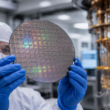


MacroGenics, Inc. (NASDAQ: MGNX) has completed the sale of its good manufacturing practice drug substance manufacturing operations to Bora Pharmaceuticals Co., Ltd., giving the oncology-focused biotechnology company $122.5 million before transaction fees, expenses and customary post-closing adjustments. The transaction transfers MacroGenics’ manufacturing site in Rockville, Maryland, its warehouse in Frederick, Maryland, and approximately 140 former MacroGenics employees to Bora, while MacroGenics retains access to manufacturing support through a new supply agreement. The deal matters because MacroGenics is shifting away from owning and operating capital-intensive manufacturing infrastructure while preserving external production support for its antibody-based therapeutic pipeline. MGNX recently traded around $4.81, giving MacroGenics a market value of about $305.2 million as investors assess whether the asset sale improves balance sheet flexibility, lowers operating complexity and sharpens the company’s focus on oncology drug development.
Why could MacroGenics’ $122.5 million Bora sale matter for MGNX stock?
MacroGenics’ sale to Bora matters for MGNX stock because it gives the company meaningful non-dilutive capital while reducing direct ownership of manufacturing infrastructure. For a clinical-stage biotechnology company, cash runway, operating focus and development prioritization can be just as important as scientific progress. A $122.5 million cash payment is significant relative to MacroGenics’ recent market value of about $305.2 million.
The transaction also changes how investors may view MacroGenics’ cost structure. GMP manufacturing facilities can be valuable strategic assets, but they also require specialized labor, quality systems, maintenance, compliance oversight and capital investment. For a company focused on developing antibody-based cancer therapies, the decision to sell those operations can free management to concentrate more directly on clinical development, partnerships and regulatory strategy.
MacroGenics is not walking away from manufacturing access entirely. The company entered into a supply agreement with Bora, under which Bora will support process development and drug substance production for MacroGenics’ internal pipeline needs. That detail is important because it helps reduce the risk that selling the facility creates a near-term manufacturing gap.
For investors, the key issue is whether MacroGenics can turn the transaction into a cleaner development story. The sale adds cash and reduces infrastructure complexity, but shareholder value will still depend on pipeline execution, collaboration revenue, clinical data, regulatory progress and disciplined spending.
How does the Bora transaction reshape MacroGenics’ operating model?
The Bora transaction reshapes MacroGenics’ operating model by moving the company toward an outsourced manufacturing structure. MacroGenics previously controlled its own GMP drug substance manufacturing operations, which supported clinical and commercial production. After the sale, Bora assumes responsibility for those operations, while MacroGenics becomes a customer under a supply arrangement.
This model may better fit a clinical-stage biotechnology company with multiple antibody-based programs and partnership opportunities. Instead of allocating internal resources to facility operations, MacroGenics can rely on Bora’s CDMO infrastructure while directing more attention to therapeutic candidates, clinical trial design and business development.
The transfer of approximately 140 employees also makes the deal more than a simple asset sale. Bora is taking over the people and operational expertise needed to continue running the facilities. That continuity may help preserve institutional knowledge and reduce disruption for MacroGenics’ production needs.
The risk is that MacroGenics now depends more heavily on an external manufacturing partner. Outsourcing can reduce fixed costs, but it can also create reliance on supplier performance, scheduling, quality execution and contractual terms. The value of the new operating model will depend on how smoothly Bora supports MacroGenics’ pipeline after closing.
Why does the Rockville manufacturing site strengthen Bora Pharmaceuticals’ CDMO expansion?
The Rockville manufacturing site strengthens Bora’s CDMO expansion because it gives the Taiwan-based pharmaceutical services company a larger U.S. biologics manufacturing presence. Bora has positioned itself as a pharmaceutical services company with both CDMO and commercial capabilities. Acquiring MacroGenics’ GMP drug substance operations adds infrastructure, employees and manufacturing capacity in Maryland.
The U.S. footprint matters because biotech and pharmaceutical companies often prefer manufacturing partners with geographically diversified capabilities. Domestic or regional manufacturing can support supply chain resilience, regulatory coordination, customer access and confidence in quality oversight. For Bora, the MacroGenics assets add a U.S. base that can support process development and drug substance production.
The transaction also fits the broader CDMO industry trend. Many smaller and mid-sized biotech companies are choosing not to own expensive manufacturing assets, while CDMOs are expanding capacity to serve multiple customers. This creates opportunities for specialized manufacturers to acquire facilities from drug developers that want to focus capital on pipelines.
Bora’s challenge will be to integrate the Maryland operations while maintaining service quality. Manufacturing assets can create growth opportunities, but they also come with execution risk. Bora must retain talent, manage quality systems, serve MacroGenics under the supply agreement and potentially attract additional customers to the acquired capabilities.
How could the sale help MacroGenics focus on antibody-based oncology development?
The sale could help MacroGenics focus on antibody-based oncology development by simplifying the company around its core scientific and clinical priorities. MacroGenics develops antibody-based therapeutics for cancer and has built a pipeline using its protein engineering and next-generation antibody technology platforms. Those capabilities are the foundation of the company’s investment case.
Owning manufacturing operations can support pipeline control, but it can also compete for capital and management attention. In oncology drug development, clinical trial execution, dose optimization, patient selection, safety management and regulatory planning are all demanding. By selling the manufacturing operations, MacroGenics may be able to direct more resources toward the areas that most directly drive pipeline value.
The supply agreement with Bora helps preserve a bridge between the old and new operating models. MacroGenics still needs process development and drug substance production support for its internal pipeline. Outsourcing that work to Bora allows the company to maintain access without carrying the full burden of facility ownership.
The strategic question is whether the company can use the cash and focus effectively. The sale alone does not validate any therapy or remove clinical risk. It creates a better platform for execution, but the next value drivers will come from clinical updates, regulatory progress and any collaboration or milestone revenue tied to MacroGenics’ oncology assets.
What does the transaction suggest about biotech balance sheet strategy in 2026?
The transaction suggests that biotech companies are still looking for ways to strengthen balance sheets without issuing common stock at pressured valuations. MacroGenics’ $122.5 million sale gives the company capital through an asset transaction rather than a dilutive equity financing. For a small-cap biotech, that can be strategically valuable.
This matters because many clinical-stage biotechnology companies operate in a difficult funding environment. Investors are selective, clinical timelines are long and capital needs remain high. Selling non-core assets can be an attractive option when a company has infrastructure that may be more valuable to a manufacturing specialist than to the drug developer itself.
The MacroGenics transaction also shows how cash generation and strategic simplification can happen together. The company is not only raising money. It is changing the structure of the business by transferring manufacturing operations to a CDMO. That can make the company easier for investors to analyze if the pipeline becomes the primary focus.
The tradeoff is reduced operational control. Manufacturing can be a strategic advantage when a company needs speed, flexibility and direct oversight. MacroGenics must now depend on Bora’s execution under the supply agreement. Investors will need to watch whether the benefits of cash and simplification outweigh the risks of outsourcing.
What does MGNX stock performance suggest about investor expectations after the sale?
MGNX stock performance suggests investors remain cautious despite the positive balance sheet impact of the transaction. The shares recently traded around $4.81, giving MacroGenics a market value of about $305.2 million. That valuation reflects a company still judged heavily on clinical execution, pipeline risk and future financing needs.
The $122.5 million payment is meaningful, but it does not automatically transform the stock story. Investors will want to see how the proceeds affect cash runway, operating expense priorities and development timelines. If the sale extends runway and reduces recurring costs, it could improve the company’s risk profile. If cash burn remains high or clinical setbacks occur, the benefit may be more limited.
The market will also look for clarity on the company’s post-sale manufacturing arrangements. Supply continuity is important in oncology development, especially when trials depend on timely production of clinical-grade drug substance. Smooth transition to Bora could reassure investors that the sale has not created operational disruption.
The next earnings update or corporate presentation may be important. Investors will want management to explain how the transaction changes cash runway, expense structure and strategic priorities for 2026 and beyond. Without that detail, the market may treat the sale as helpful but incomplete.
Which risks could shape MacroGenics’ post-sale strategy?
MacroGenics’ post-sale strategy still carries clinical risk. The company’s valuation depends on whether its antibody-based oncology pipeline can produce convincing data and regulatory opportunities. Selling manufacturing assets may improve cash flexibility, but it does not reduce the scientific, safety or efficacy risks attached to drug development.
Manufacturing dependence is another important risk. Bora will support process development and drug substance production for MacroGenics under a supply agreement, but MacroGenics must rely on Bora’s capacity, quality systems and execution. Any production delay, batch issue or transition problem could affect development timelines.
Financial execution also matters. The sale generates cash, but investors will watch how quickly MacroGenics uses that capital. If the company can align spending with high-priority pipeline programs, the transaction could create more strategic flexibility. If expenses remain elevated or capital is spread too thinly across programs, the benefit could weaken.
There is also transaction follow-through risk. The $122.5 million payment is subject to transaction fees, expenses and customary post-closing adjustments. MacroGenics’ own risk language also points to possible costs, expenses and post-closing manufacturing arrangement risks. Investors should therefore focus on the net financial impact, not only the headline purchase price.
What does the MacroGenics and Bora deal signal for the CDMO and biotech manufacturing market?
The MacroGenics and Bora deal signals that the CDMO market continues to benefit from biotech companies reassessing which assets they should own. Drug developers need reliable manufacturing, but many do not need to own full-scale production infrastructure if a specialized partner can provide capacity more efficiently. That creates opportunities for CDMOs to acquire facilities, employees and customer relationships.
For Bora, the transaction adds U.S. manufacturing capabilities at a time when biologics production and supply chain resilience remain important themes across the pharmaceutical industry. The company gains infrastructure that can support MacroGenics and potentially other customers, depending on capacity and commercial strategy.
For MacroGenics, the deal reflects a different priority. The company is choosing pipeline focus and balance sheet strengthening over manufacturing ownership. That approach may become more common among smaller biotech companies with valuable facilities but constrained capital.
The broader market signal is that manufacturing strategy is becoming more flexible. Some biotech companies may invest in internal capabilities for strategic control, while others may sell or outsource to reduce complexity. The right answer depends on pipeline maturity, cash position, product mix and the availability of trusted CDMO partners.
What should investors watch after MacroGenics completes the Bora sale?
Investors should watch MacroGenics’ updated cash runway and operating expense guidance. The headline payment is $122.5 million, but the market needs to understand net proceeds, transaction costs, expected savings and how the company plans to allocate capital across its oncology pipeline.
Pipeline updates will remain the most important value driver. MacroGenics is focused on antibody-based therapeutics for cancer, and the market will respond most strongly to clinical data, regulatory progress, partnership milestones and safety updates. The Bora sale gives the company more flexibility, but the pipeline will determine long-term shareholder value.
Supply agreement execution should also be monitored. Investors should look for signs that Bora can support MacroGenics’ process development and drug substance needs without delay. A smooth manufacturing transition would validate the asset sale structure and reduce concerns about outsourcing risk.
The larger question is whether MacroGenics can turn a manufacturing divestiture into a stronger oncology development story. The sale improves financial flexibility and simplifies the operating model. The next stage will show whether that flexibility translates into better clinical execution, stronger partnerships and a clearer path to value creation.
Key takeaways on what MacroGenics’ Bora sale means for MGNX stock and CDMO strategy
- MacroGenics has completed the sale of its GMP drug substance manufacturing operations to Bora Pharmaceuticals, giving the company a major non-dilutive cash injection.
- Bora paid MacroGenics $122.5 million before transaction fees, expenses and customary post-closing adjustments, making the deal meaningful relative to MacroGenics’ recent market value.
- The transaction transfers MacroGenics’ Rockville, Maryland manufacturing site and Frederick, Maryland warehouse to Bora, expanding Bora’s U.S. manufacturing footprint.
- Approximately 140 former MacroGenics employees have joined Bora, which should help preserve operational continuity at the acquired facilities.
- MacroGenics has entered into a supply agreement with Bora, allowing Bora to support process development and drug substance production for MacroGenics’ internal pipeline needs.
- The sale helps MacroGenics move away from owning capital-intensive manufacturing infrastructure while keeping access to production support for its oncology programs.
- MGNX recently traded around $4.81, giving MacroGenics a market value of about $305.2 million as investors evaluate the cash runway and pipeline implications of the sale.
- For Bora, the acquisition strengthens its CDMO capabilities and supports its strategy of expanding biologics manufacturing infrastructure.
- The main risks are manufacturing transition execution, dependence on Bora as an external supplier, clinical pipeline uncertainty and whether the net proceeds materially extend MacroGenics’ runway.
- The next value test is whether MacroGenics can use the proceeds and simplified operating model to sharpen oncology development priorities, reduce financial pressure and generate stronger pipeline catalysts.
Share this:
Discover more from Business-News-Today.com
Subscribe to get the latest posts sent to your email.