


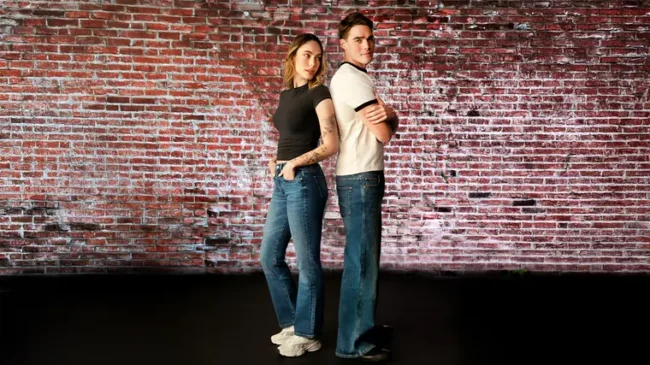
The LYCRA Company has launched VintageFX fibre globally at Kingpins Amsterdam, using one of denim’s most influential sourcing events to push a new answer to a familiar product problem. The new fibre is aimed at denim and woven fabrics that want the appearance of rigid, heritage-inspired jeans while still delivering the comfort, recovery, and shape retention consumers now expect. That matters because the denim market has moved sharply toward looser, away-from-the-body silhouettes, where fit stability often collapses just when brands are trying to sell authenticity. In other words, this is not just a fibre launch, it is a strategic attempt to reclaim value in a category where fashion direction and fabric engineering have started to pull against each other.
Why does The LYCRA Company believe VintageFX fibre solves a real denim industry pain point in 2026?
The commercial logic behind VintageFX is fairly straightforward, even if the chemistry is not. Fashion has shifted toward wide-leg, flare, boyfriend, and mom-jean silhouettes, and those shapes reward a more vintage visual language. Consumers want denim that looks more rigid, less over-engineered, and closer to heritage product. The trouble is that once brands reduce stretch or mimic rigid construction, they often reintroduce old headaches such as bagging at the knees, instability around the waist and hips, poor recovery after washing, and garments that feel great on the hanger but become a negotiation by mid-afternoon.
That gap between aesthetic demand and functional performance is where The LYCRA Company is trying to place VintageFX. The company has positioned the fibre as a way to recreate low-stretch, heritage-inspired denim without giving up recovery, durability, or wearer comfort. For mills and brands, that pitch is less about novelty and more about yield protection. A garment that looks right but fits badly becomes a returns problem, a markdown problem, and eventually a trust problem. In denim, bad recovery is not just a technical flaw. It is a margin leak wearing five-pocket clothing.
The more interesting angle is that The LYCRA Company is not chasing the skinny-jean era again. It is adapting stretch technology to a market that now wants visible structure and lived-in credibility. That suggests the company understands the category has changed. The winner in denim stretch is no longer the brand that offers the most elasticity. It is the one that makes elasticity disappear until the customer notices, pleasantly, that the jeans still fit at the end of the day.
How does the Kingpins Amsterdam launch fit into The LYCRA Company’s broader denim and innovation strategy?
Launching at Kingpins Amsterdam was not accidental. Kingpins is not a mass-market consumer showcase. It is a supply-chain influence point where mills, garment makers, sourcing teams, designers, and product developers look for the next usable idea. By choosing Kingpins for the global launch, The LYCRA Company is effectively telling the denim ecosystem that VintageFX is meant to be specified into future collections, not merely admired in a press release and forgotten by the next wash trial.
That matters because fibre launches only become meaningful when they travel through the value chain. A new input has to persuade mills that it runs efficiently, garment makers that it behaves predictably under finishing, brands that it supports design direction, and retailers that it can be merchandised as a clearer consumer proposition. The LYCRA Company appears to understand that adoption requires choreography, not just technology. Its emphasis on co-creation through LYCRA Labs and its use of partner-made samples and capsule garments signal an attempt to shorten the distance between innovation announcement and line adoption.
There is also a portfolio logic here. At the same Kingpins event, The LYCRA Company has been showing Renewable LYCRA fibre made from 70% plant-based resources and LYCRA ADAPTIV fibre for size-inclusive denim. That creates a more strategic narrative. VintageFX is being framed as part of a broader denim platform, not a one-off experiment. One product addresses authentic vintage aesthetics, another addresses sustainability pressure, and another addresses fit inclusivity. For a supplier trying to remain relevant in a crowded elastane and performance-fabric market, that kind of platform thinking is smarter than betting the booth on a single hero story.
What does VintageFX fibre reveal about the next competitive battleground in premium denim manufacturing?
The premium denim fight is increasingly moving away from headline trend claims and into product architecture. Brands can all say they are doing heritage washes, relaxed fits, or vintage-inspired silhouettes. The harder part is making those claims survive real wear, repeated washing, and modern consumer expectations around comfort. That is where ingredient brands and upstream fabric specialists can still create leverage.
VintageFX appears designed to compete on this less glamorous but more durable battlefield. The dual-core structure described by The LYCRA Company suggests an attempt to control stretch expression more precisely during finishing, particularly through heat shrink behaviour that protects the fibre core and improves shape retention. For executives in sourcing and product, the message is clear. The company is trying to offer more than softness or elasticity. It is trying to offer control.
That could matter for mills and brands that want a premium story without paying the commercial penalty of poorly performing low-stretch denim. If VintageFX works consistently in production, it gives mills a way to sell upgraded fabric architecture rather than just surface finish. If it does not, it becomes another trade-show solution that looked smart under exhibition lighting and less convincing after six months in commercial circulation. Textile innovation has always had that harsh little exam. The wash floor is where the poetry ends.
Why does this launch matter more after The LYCRA Company’s recent balance-sheet restructuring?
This is the part that makes the timing more interesting. In March 2026, The LYCRA Company entered a prepackaged Chapter 11 process aimed at eliminating more than $1.2 billion of debt, with management saying operations, employees, customers, and vendors would not be disrupted. The company also secured new financing to support the restructuring and positioned the process as a balance-sheet reset rather than an operating retreat. That context matters because a trade-show launch one month after a debt restructuring carries a message far beyond product development. It is a signal of continuity.
For customers, especially mills and brand partners, innovation activity after a restructuring is a reassurance mechanism. It suggests the company still intends to invest in commercial relevance rather than simply preserve cash and drift. For competitors, it is a reminder that The LYCRA Company does not plan to surrender the premium and technical end of the market just because its capital structure broke under previous ownership and broader market pressure. For lenders and new owners, it shows the business case still depends on defending pricing power through differentiated product, not merely surviving on legacy brand recognition.
There is a second-order implication too. When a materials company emerges from financial stress, it often has less room for unfocused experimentation. That can force sharper prioritisation. VintageFX therefore looks less like a random innovation cycle and more like a targeted bet on a segment where The LYCRA Company believes it can still command strategic relevance. In plain English, if you have just cleaned up the balance sheet, you had better be launching something that people might actually buy.
How could VintageFX affect denim brands, mills, and retailers across Europe and global sourcing markets?
For mills, the appeal is obvious if performance claims hold up. A fibre that enables compact construction, reduced seam slippage, good recovery after wash and bleach processes, and better drape without bulk could help mills develop fabrics that sit in a more premium value band. That matters at a time when denim producers are under pressure from cost inflation, brand margin discipline, and increasingly fragmented demand.
For brands, VintageFX could support a more convincing product story in collections where relaxed silhouettes dominate but customers still expect comfort. It may also help avoid the awkward split that has defined recent denim ranges, where one line delivers vintage looks with limited wearability and another line offers comfort but looks visibly more synthetic or less authentic. Bridging those two worlds is commercially useful because it reduces assortment compromise.
Retailers stand to benefit if the fibre genuinely reduces bagging, sagging, and shape loss. Better-performing relaxed denim can translate into fewer fit complaints, fewer returns, and stronger repeat purchase behaviour. Consumers rarely know the exact fibre architecture of a garment, but they absolutely know when jeans stop flattering them by lunchtime. Retail memory can be brutally simple like that.
There is also a European sourcing angle. Amsterdam is a logical stage for this kind of launch because Europe remains highly influential in premium denim direction, wash development, and sustainability signalling. If VintageFX gains early traction among European mills, design teams, or premium labels, its influence could travel into broader sourcing networks faster than a standalone North American launch might have managed.
What are the biggest risks that could limit VintageFX fibre adoption after the Kingpins Amsterdam debut?
The first risk is technical translation. Trade-show samples are one thing, scaled industrial consistency is another. Denim finishing is notoriously unforgiving, and anything that behaves beautifully in development but inconsistently in production will lose credibility quickly. Mills need predictable outcomes. Brands need repeatability across vendors. A fibre that requires too much handling precision can become a headache, however elegant the lab story sounds.
The second risk is cost positioning. VintageFX is being pitched as a performance solution for a quality problem, which means it likely needs to justify a premium at some stage in the value chain. That is easier in premium and better-denim channels than in value retail. If consumer demand softens or brands become more cautious on fabric costs, adoption could concentrate in narrower tiers than the launch rhetoric implies.
The third risk is that the denim market itself keeps moving. Looser fits are still relevant, but trend cycles never sign long-term peace treaties. If the market shifts toward more tailored or less overtly vintage silhouettes, VintageFX may still remain useful, but its core story could lose some urgency. The LYCRA Company seems aware of this, which is why the launch language blends trend relevance with broader claims around stability, durability, and comfort. That is smart hedging. Fashion moves fast, but good garment performance remains stubbornly unfashionable in the best possible way.
What do key takeaways from The LYCRA Company’s VintageFX launch at Kingpins Amsterdam mean for denim strategy in 2026?
- The LYCRA Company is targeting a genuine product gap in denim, where consumers want vintage aesthetics but still expect modern fit stability and comfort.
- VintageFX is strategically more important than a routine fibre launch because it aligns with the rise of loose and heritage-inspired denim silhouettes across global collections.
- Launching at Kingpins Amsterdam places the product directly in front of the sourcing and development teams that determine real commercial adoption.
- The company is trying to shift the denim conversation from maximum stretch to controlled stretch, which is a more relevant value proposition in 2026.
- For mills, the commercial opportunity lies in premiumising fabric architecture rather than competing only on wash, finish, or price.
- For brands, the appeal is the chance to reduce the trade-off between authentic styling and post-wear fit performance.
- For retailers, better recovery and lower bagging risk could translate into fewer returns and stronger repeat purchase behaviour in relaxed-fit denim.
- The timing matters because The LYCRA Company is launching into market shortly after a major debt restructuring, signalling that innovation remains central to its recovery story.
- Adoption risk remains real, especially around industrial scalability, pricing discipline, and how quickly trend direction evolves from today’s vintage and wide-leg focus.
- More broadly, the launch suggests the next phase of denim competition will be won less by marketing claims and more by hidden engineering that quietly makes modern jeans work better.
Discover more from Business-News-Today.com
Subscribe to get the latest posts sent to your email.