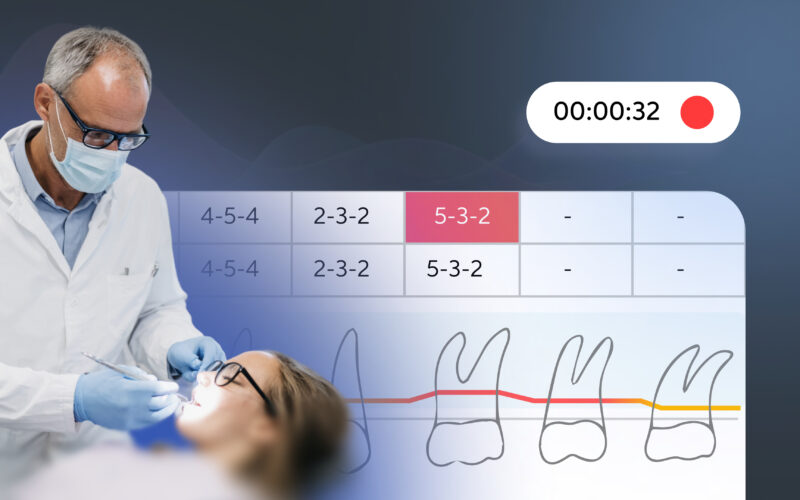
Pearl announced on April 8, 2026 that it launched Pearl Voice, an ambient voice artificial intelligence suite for dentistry designed to convert doctor-patient conversations into structured clinical records including SOAP notes, periodontal charts, and other dental-specific documentation. The launch matters because it expands Pearl’s role beyond radiographic analysis into the daily administrative and clinical workflow of dental practices. That shift could strengthen Pearl’s commercial position by moving the company closer to the operating core of dental care delivery rather than leaving it confined to a single diagnostic task. In practical terms, Pearl is no longer just trying to help dentists see more clearly. Pearl is trying to help practices document, standardize, and operationalize care more efficiently.
What does Pearl Voice change for the way dental artificial intelligence companies compete in 2026?
The most important thing Pearl Voice changes is the company’s position in the dental software value chain. Dental artificial intelligence initially gained traction through imaging, where vendors could help clinicians identify potential findings on x-rays and support patient communication. But imaging alone does not control the broader practice workflow. Documentation does. The moment a company can sit inside the chairside encounter, capture information as it is spoken, structure that information into usable records, and move it into the practice management environment, that company begins to influence one of the most repetitive and costly operational processes in a clinic.
That matters because frequency creates stickiness. Radiographic interpretation may occur at key clinical moments, but documentation touches nearly every patient interaction. A product used once in a workflow can be valuable. A product used constantly becomes harder to remove. Pearl appears to understand that distinction. By moving into ambient documentation, Pearl is positioning itself in a category with higher workflow repetition, stronger integration potential, and more obvious cost-saving narratives for dental groups trying to improve staff productivity.
The deeper strategic signal is that Pearl is no longer selling only a point solution. It is moving toward a broader platform argument. That gives Pearl more room to grow contract value over time and makes its commercial conversation with practices more expansive. Instead of being discussed only as an imaging layer, Pearl can now frame itself as part of a broader digital operating environment for modern dental care.
Why is clinical documentation becoming such an important battleground in dental practice software?
Documentation is one of the least glamorous but most commercially important pain points in dentistry. It consumes clinician time, absorbs staff attention, influences claims quality, affects audit readiness, and can shape how well patients are handed off across providers. In many practices, it is also one of those silent efficiency drains that nobody markets enthusiastically because everyone is too busy living inside it. That is precisely why it has become valuable terrain for software vendors.
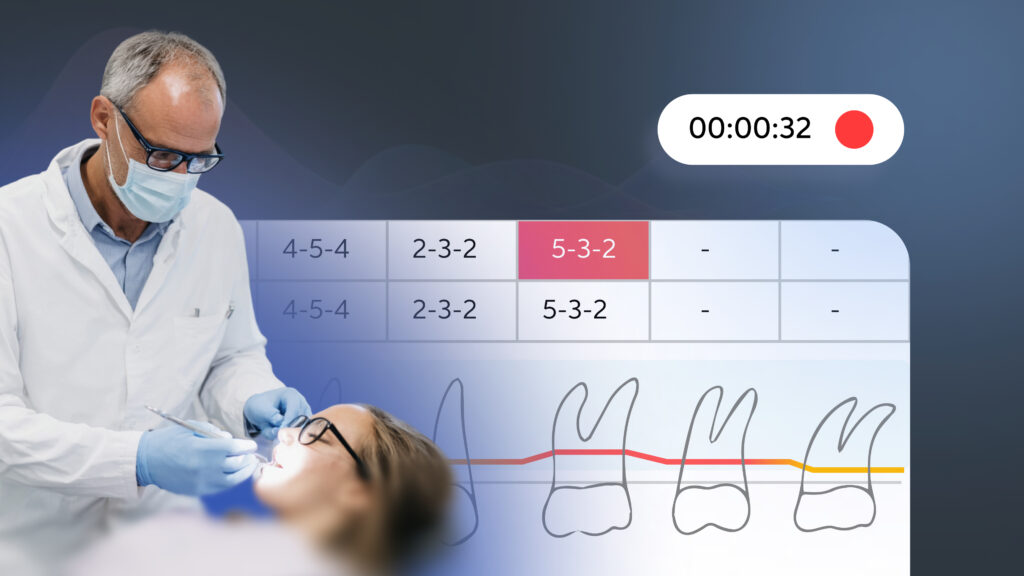
Pearl is targeting that pain directly. Pearl Voice is designed to passively listen during appointments, transcribe interactions, create structured notes, support voice-enabled perio charting, and write documentation into supported practice management systems. That combination is important because it suggests Pearl is not simply trying to become a transcription vendor with a dental accent. It is trying to turn spoken clinical activity into workflow-ready records that fit the documentary and operational needs of real practices.
If Pearl Voice performs as intended, the benefit is not limited to saving dentists from end-of-day typing. It could also improve standardization across providers, reduce documentation variability, and free support staff from manual charting tasks that do not make the best use of their time. In a market where staffing efficiency and compliance quality both matter, that is a meaningful commercial proposition.
How does Pearl Voice fit into Pearl’s broader platform ambitions in dental artificial intelligence?
Pearl’s imaging heritage gives the company a useful entry point for this expansion. A company that already has credibility in clinical artificial intelligence can more plausibly argue that it should also help structure the records surrounding care. That is especially true in dentistry, where diagnosis, patient communication, treatment justification, and documentation are tightly linked in day-to-day practice.
Pearl is effectively trying to connect those layers into a more unified system. The company’s launch language makes that clear. It described Pearl Voice as part of a broader push beyond radiologic analysis and into clinical workflows, with an emphasis on reducing friction between insight and administrative execution. That may sound polished, but the commercial logic is real. A vendor that touches diagnosis, documentation, and workflow can create more durable value than one that helps with only one of those steps.
This kind of expansion is also strategically defensive. As categories mature, vendors that stay too narrow risk being marginalized by broader platforms. Pearl appears to be making sure that does not happen. By adding documentation, it increases the odds that customers view Pearl as infrastructure rather than as a bolt-on feature. And once software gets treated like infrastructure, renewal conversations usually become less fragile.
What are the strongest commercial advantages Pearl Voice could offer dental practices and DSOs?
The strongest commercial advantage is not simply time savings, though time savings are clearly part of the pitch. The stronger advantage is workflow compression. If Pearl Voice can reduce documentation lag, improve note completeness, support cleaner periodontal charting, and cut duplicate entry into practice systems, then it has the potential to tighten the operating rhythm of a practice. That matters to independent clinics, but it matters even more to larger dental service organizations that care deeply about consistency, compliance, throughput, and multi-provider coordination.
Pearl also appears to be aiming at standardization. Early user feedback in the announcement suggested cleaner notes and more consistency across partners. That is strategically relevant because standardization is one of the quiet obsessions of scaled care models. When records become more uniform, patient handoffs become easier, compliance oversight becomes less messy, and operational variance starts to narrow. None of that sounds flashy, but it is exactly the kind of improvement that can make a product financially meaningful at enterprise scale.
The voice-enabled perio charting element is also notable. Periodontal charting is a real workflow task, not a demo-friendly gimmick. If the product genuinely reduces the need for manual transcription by assistants while maintaining speed and accuracy, that gives Pearl a tangible use case inside hygiene workflows. That is important because software adoption in healthcare often accelerates when a vendor can tie its value to one stubborn, recurring bottleneck that everyone immediately recognizes.
What risks could slow adoption of Pearl Voice across real-world dental clinics?
The biggest risk is execution credibility. Ambient documentation sounds excellent in a launch announcement because almost anything sounds excellent before it meets an actual operatory. The real test is whether Pearl Voice can function reliably across noisy environments, multiple speaking styles, varied clinical terminology, and different documentation preferences without forcing providers into endless corrections. If dentists have to spend too much time editing notes, confidence will fade quickly.
The second risk is integration depth. Pearl says the product writes structured notes into supported practice management systems, and that capability is crucial. But support quality will matter as much as support existence. Practices do not want partial integration that still leaves staff copying, reformatting, and checking fields manually. The closer Pearl Voice gets to true workflow completion, the stronger its adoption case becomes. The further it remains from that goal, the easier it is for buyers to delay deployment.
There is also a competitive risk tied to distribution. Vendors that already sit inside practice management or core dental software environments may have an advantage if they launch or strengthen their own voice documentation offerings. Pearl therefore needs to win not just on technical capability but on dental specificity, workflow fit, and proof that it can outperform broader or more deeply embedded vendors in meaningful clinical situations.
What does this product launch signal about the next phase of dental software consolidation?
Pearl Voice points to a broader shift in how dental technology companies may compete over the next few years. The early chapter of dental artificial intelligence was defined largely by clinical assistance, especially image analysis. The next chapter looks more operational. Vendors are increasingly trying to own the messy territory between clinician activity and administrative completion. That includes documentation, workflow orchestration, record quality, and system integration.
This is important because it suggests value in dental software is moving toward end-to-end utility. Practices do not necessarily want more disconnected tools. They want fewer interruptions, fewer duplicate steps, and fewer points of friction between care and administration. Vendors that can reduce those seams have a stronger chance of becoming embedded. Vendors that remain useful but narrow may still survive, but they risk becoming easier to swap out.
Pearl’s launch therefore looks like more than a product extension. It looks like positioning for the next competitive phase, where the question is not just who has the smartest algorithm, but who can fit most effectively into the daily operating fabric of a dental practice. That is a more demanding contest, but it is also a more valuable one.
Why could Pearl Voice matter more for workflow control than for note-taking alone?
The easiest way to underestimate Pearl Voice is to view it as another documentation assistant. That misses the more interesting point. Documentation in healthcare is not just recordkeeping. It is a mechanism of workflow control. Whoever shapes how information is captured, structured, and entered into core systems can influence speed, consistency, compliance readiness, and even staff role allocation.
Pearl is now making a bid for that layer. If Pearl Voice works well, it could help Pearl deepen its role in the clinic far beyond image interpretation. It could also give Pearl a stronger foundation for future products that sit adjacent to documentation, such as treatment support, automated record summarization, claims preparation assistance, or cross-workflow intelligence. Once a vendor is trusted with the capture and structuring of clinical information, its expansion options widen.
That is why the launch matters strategically. Pearl is not merely adding a feature. It is testing whether it can move from clinical artificial intelligence specialist to broader workflow infrastructure provider. If that transition succeeds, Pearl’s position in dentistry could become much stronger. If it fails, Pearl risks remaining influential but narrow in a market that may increasingly reward broader operational reach.
What are the key takeaways from Pearl Voice for Pearl, dental practices, and the wider industry?
The Pearl Voice launch is important because it marks a transition from a primarily imaging-centered artificial intelligence story to a broader workflow automation story. Pearl is moving into one of the most persistent administrative pain points in dentistry, which gives the company access to a more frequent and potentially more valuable part of clinic operations. The opportunity is significant because documentation touches compliance, staffing efficiency, consistency, and system integration all at once. The risk is equally clear: success will depend on real-world accuracy, workflow fit, and integration quality rather than launch-day ambition. Either way, Pearl has made its strategic direction much clearer. It wants a larger role in the infrastructure of dental care delivery, not just in one clinical step within it.
What are the most important strategic takeaways from Pearl Voice for dental AI competition and practice operations?
- Pearl is trying to expand from diagnostic assistance into workflow infrastructure, which could materially increase its long-term commercial relevance in dentistry.
- Clinical documentation is a higher-frequency use case than radiographic analysis, making it a smarter place to build daily workflow dependence.
- Pearl Voice gives Pearl a stronger platform narrative by linking clinical activity, documentation, and practice system integration.
- The biggest upside for practices is not just time savings but tighter workflow compression, better standardization, and less administrative drag.
- Multi-site dental organizations may find the strongest value in consistency, compliance support, and cleaner provider handoffs.
- The biggest product risk is not concept weakness but execution failure in real operatories where noise, accents, and workflow variation test reliability.
- Integration depth with practice management systems will likely determine whether Pearl Voice feels essential or merely interesting.
- The launch suggests dental artificial intelligence competition is shifting from isolated tools toward broader operating-layer control.
- Vendors that own documentation and workflow may gain a stronger strategic position than vendors focused only on imaging.
- Pearl has made a meaningful strategic move, but proving operational trust at scale will determine whether this becomes a category-defining expansion or just another software feature.
Share this:
Discover more from Business-News-Today.com
Subscribe to get the latest posts sent to your email.