Netflix, Inc. (NASDAQ: NFLX) has acquired InterPositive, the artificial intelligence film-technology startup founded by Academy Award-winning filmmaker Ben Affleck, marking a strategic move by the streaming giant to expand its internal production technology capabilities. Financial terms of the transaction were not disclosed, but the deal integrates InterPositive’s engineering team, machine learning systems, and film-production software into Netflix’s technology and studio operations.
Ben Affleck will join Netflix, Inc. as a senior adviser on artificial intelligence-enabled filmmaking as part of the acquisition agreement. The transaction reflects a growing push by the streaming platform to integrate AI tools that support editing, post-production, and visual workflow efficiency without replacing creative decision-making by filmmakers. The acquisition arrives at a moment when Hollywood is reassessing how artificial intelligence can be used responsibly across the filmmaking process following industry-wide debates over creative ownership and automation.
The purchase also signals that Netflix, Inc. is attempting to establish an operational advantage in the economics of film and television production. As competition among global streaming platforms intensifies and production budgets continue to climb, technology capable of accelerating production cycles has become increasingly attractive.
InterPositive represents an unusual case in the emerging field of artificial intelligence filmmaking tools because the company was created by a filmmaker rather than a software startup. This origin may prove significant as studios attempt to balance technological efficiency with the artistic expectations of directors, cinematographers, editors, and visual-effects teams.
Why is Netflix, Inc. acquiring Ben Affleck’s artificial intelligence filmmaking startup InterPositive at this moment in Hollywood’s technology transition?
The timing of the acquisition reflects a broader turning point in the relationship between artificial intelligence and the film industry.
Over the past several years, discussions around artificial intelligence in Hollywood have largely centered on concerns about generative systems replacing creative professionals such as writers, actors, and editors. Labor disputes within the entertainment industry highlighted fears that AI could undermine creative ownership or reduce employment opportunities for artists.
InterPositive approached artificial intelligence from a different angle.
Instead of focusing on generating new scripts or synthetic actors, the company built tools designed to assist with technical aspects of filmmaking that consume time and budget during production and post-production. These include analyzing daily footage, identifying inconsistencies in lighting or framing, removing unwanted elements from scenes, and assisting editors in maintaining visual continuity across complex productions.
For Netflix, Inc., the distinction between generative AI and production support tools is important.
The company produces hundreds of hours of original programming annually across multiple continents. In such an environment, even modest improvements in editing efficiency or post-production workflow can translate into meaningful savings in both time and money.
Artificial intelligence capable of reducing repetitive technical work may allow filmmakers and editors to concentrate on storytelling decisions while accelerating the overall production timeline.
This is likely a key factor behind Netflix, Inc.’s decision to integrate InterPositive directly into its production technology infrastructure.
How do InterPositive’s artificial intelligence tools change the economics and workflow of film and television production?
InterPositive’s technology is built around machine learning models that analyze footage captured during filming and adapt to the visual style of a particular project.
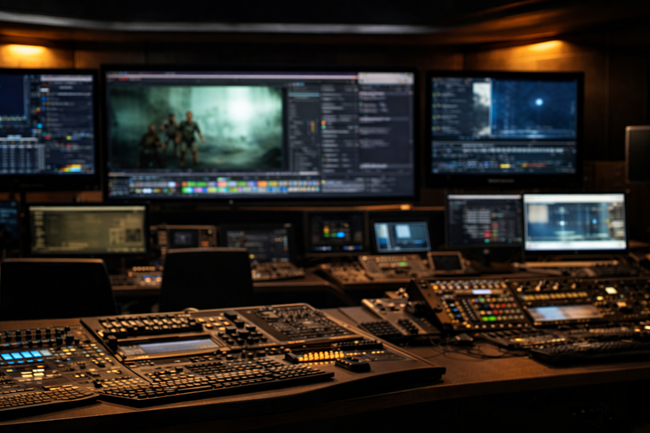
During production, large volumes of raw footage known as dailies are recorded by camera teams and delivered to editors and post-production specialists. InterPositive’s software analyzes this footage to identify visual patterns, lighting conditions, camera movement, and framing decisions used by the director and cinematographer.
Once the system understands the visual language of a project, it can assist editors with technical tasks that normally require extensive manual work.
These tasks may include correcting lighting inconsistencies between shots, stabilizing footage, removing production artifacts such as wires or equipment reflections, and adjusting framing when a scene requires minor corrections.
While these adjustments might appear small individually, they accumulate significantly during large productions involving thousands of shots.
Film and television post-production workflows are often constrained by time and resource limitations. Editors and visual-effects teams must frequently address technical issues that emerge during filming. Artificial intelligence tools that automate part of this process could reduce the number of manual corrections required late in production.
For a company like Netflix, Inc., which releases films and television series across multiple languages and regions, streamlined post-production processes may also accelerate international distribution timelines.
The value of InterPositive’s technology therefore lies less in creative automation and more in operational efficiency.
What strategic advantages could Netflix, Inc. gain from integrating artificial intelligence into its internal production infrastructure?
Netflix, Inc. has historically approached the entertainment industry as both a media company and a technology platform.
The company’s early competitive advantage emerged from streaming technology and data-driven recommendation algorithms that allowed viewers to discover content tailored to their preferences. Over time, Netflix expanded its capabilities into original production, becoming one of the largest buyers of film and television content globally.
The next phase of competition among streaming platforms may involve production technology itself.
As the costs of producing premium content increase, companies that can reduce production friction may gain a structural advantage. Artificial intelligence tools capable of assisting editors, visual-effects teams, and production crews could reduce turnaround times and improve efficiency.
By acquiring InterPositive rather than licensing its technology, Netflix, Inc. gains the ability to integrate these tools deeply within its production pipeline.
This may allow the company to standardize AI-assisted workflows across multiple projects while maintaining control over how the technology evolves.
The move also suggests that Netflix is attempting to build a vertically integrated production technology stack that extends beyond streaming infrastructure.
Such a strategy could eventually influence how scripts are analyzed, how visual effects are managed, and how production schedules are optimized across the company’s global operations.
Why does Ben Affleck’s role as founder of InterPositive matter for the adoption of artificial intelligence in filmmaking?
One of the most interesting aspects of the acquisition is the identity of the company’s founder.
Ben Affleck is not a technology entrepreneur in the conventional sense. He is a filmmaker with decades of experience as an actor, director, and producer. His involvement in developing artificial intelligence tools for filmmaking suggests that the technology was designed with creative workflows in mind.
This creator-centric design philosophy may help overcome skepticism among filmmakers who worry that artificial intelligence could diminish artistic control.
InterPositive’s approach frames artificial intelligence as a technical assistant rather than a replacement for creative professionals. The system operates primarily in the background of the production process, handling technical corrections that do not involve creative judgment.
Netflix, Inc. appears to be leveraging this perspective as it expands its investment in production technology.
As part of the acquisition, Ben Affleck will serve as a senior adviser on artificial intelligence filmmaking initiatives within Netflix. His role may include advising on how AI tools can be integrated into production environments without disrupting the creative process.
The presence of a filmmaker in a strategic advisory role could also help Netflix communicate its intentions to the broader creative community.
In an industry where trust and artistic autonomy remain essential, the involvement of respected directors and producers may prove important in encouraging adoption of new technology.
How does this acquisition reflect the broader shift toward artificial intelligence across the entertainment industry?
Artificial intelligence is increasingly becoming part of the infrastructure that supports film and television production.
Studios and technology companies have been experimenting with AI tools for tasks ranging from script analysis and casting predictions to visual effects generation and marketing optimization. While the industry remains cautious about the implications of generative AI, there is growing recognition that machine learning systems can improve operational efficiency.
Streaming platforms in particular have strong incentives to explore these technologies.
Companies such as Netflix, Inc., Amazon.com, Inc., and The Walt Disney Company invest billions of dollars annually in content production. Any technology capable of reducing production delays or lowering post-production costs could have a meaningful impact on profitability.
InterPositive’s tools represent a practical application of artificial intelligence that avoids many of the controversies associated with generative content.
Rather than creating new material, the technology focuses on improving the technical quality and efficiency of existing production processes.
This distinction may allow AI tools to gain wider acceptance within the entertainment industry over time.
What execution risks could emerge as Netflix, Inc. integrates artificial intelligence filmmaking tools into global productions?
Despite the strategic rationale behind the acquisition, several challenges remain.
The first challenge involves integration across Netflix’s global production network. The company works with filmmakers in dozens of countries, each with their own preferred production workflows and editing techniques. Introducing new technology into this environment requires careful coordination.
If artificial intelligence tools are perceived as intrusive or disruptive, adoption may be slower than expected.
Another challenge relates to industry perception.
Artificial intelligence remains a sensitive topic in Hollywood, particularly following debates around automation and creative labor. Even if InterPositive’s technology focuses primarily on technical assistance, the expansion of AI within production workflows may attract scrutiny from unions and industry organizations.
The final challenge involves technological maturity.
Artificial intelligence tools for filmmaking are still evolving. Their effectiveness may vary depending on the style of production, the complexity of visual effects, and the quality of the footage captured during filming.
Netflix, Inc. will need to demonstrate that the technology can consistently improve production workflows across a wide range of projects.
If successful, however, the acquisition could represent an early step toward a new generation of AI-enabled film production infrastructure.
What are the key takeaways on what Netflix’s acquisition of InterPositive means for Hollywood and the future of AI filmmaking?
- Netflix, Inc. is expanding beyond streaming technology into artificial intelligence tools designed to improve film and television production workflows.
- The acquisition of InterPositive reflects a strategy to reduce production friction and accelerate post-production processes across Netflix’s global content pipeline.
- InterPositive’s technology focuses on technical editing and visual corrections rather than generative AI, making it more acceptable within Hollywood’s creative ecosystem.
- Ben Affleck’s role as founder and adviser may help bridge the cultural gap between filmmakers and artificial intelligence developers.
- AI-assisted post-production could reduce editing timelines and improve efficiency across large streaming productions.
- The deal suggests Netflix is building a vertically integrated production technology platform to support its growing global content operations.
- Artificial intelligence tools that enhance efficiency without replacing creative roles may gain broader acceptance within the entertainment industry.
- Execution risks include integration challenges across international productions and potential resistance from creative unions.
- If successful, the acquisition could signal a broader shift toward AI-supported filmmaking infrastructure across Hollywood.
Discover more from Business-News-Today.com
Subscribe to get the latest posts sent to your email.