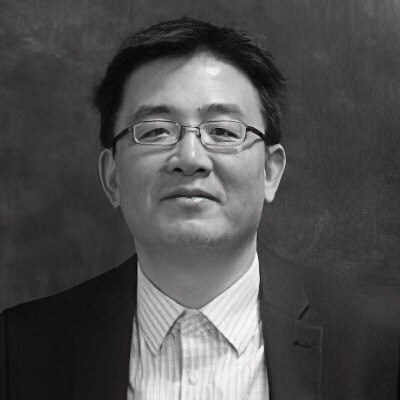





Paradigm, a California-based specialty care management organization focused on complex injury and high-acuity healthcare cases, has announced a set of leadership changes designed to strengthen operational alignment and support long-term growth as the company prepares for new ownership under Patient Square Capital. The leadership reshuffle includes the promotion of Kathy Galia to President of Workers’ Compensation Solutions and the expansion of responsibilities for long-time executive Tom Mastri, who will now serve as Executive Vice President of Finance and Chief Operating Officer.
The announcement also confirmed the departure of Chris Pricco, a senior executive who helped build Paradigm’s specialty networks and payment integrity operations. The timing of these moves comes weeks after Paradigm confirmed a definitive agreement to be acquired by healthcare investment firm Patient Square Capital, a transaction expected to close in the first half of 2026.
The leadership adjustments signal that Paradigm is entering a transition phase where operational scale, integration of care networks, and payment oversight will become central to the company’s strategy in workers’ compensation and complex care management.
Why is Paradigm consolidating leadership across workers’ compensation services before its private equity ownership transition?
Paradigm’s decision to elevate Kathy Galia to President of Workers’ Compensation Solutions reflects a broader strategy to unify the company’s patient-facing services under a single leadership structure. Workers’ compensation remains the core business line for Paradigm, accounting for the majority of its case management, clinical programs, and risk-based care solutions.
Kathy Galia previously served as Chief Clinical Solutions Officer and played a central role in shaping Paradigm’s clinical delivery model. Her promotion places responsibility for the entire workers’ compensation business under one executive, except for payment integrity operations, which remain within the finance and operations organization.
Chief Executive Officer John S. Watts Jr. indicated that the move was intended to strengthen coordination between clinical teams, operational infrastructure, and payer clients. According to the company’s leadership, aligning all patient-facing products under a single executive is expected to improve service consistency and accelerate execution across the platform.
From a strategic perspective, this consolidation reflects the realities of workers’ compensation healthcare economics. Payers increasingly demand integrated solutions that combine clinical case management, provider networks, and cost control mechanisms rather than fragmented service offerings. By concentrating authority within a single leadership role, Paradigm aims to simplify decision making and strengthen accountability across the care continuum.
The restructuring also positions the company to scale its offerings as private equity ownership changes hands.
How does Tom Mastri’s expanded role signal greater focus on payment integrity and healthcare network economics?
Alongside the promotion of Kathy Galia, Paradigm has expanded the responsibilities of Tom Mastri, who has served as the company’s Chief Financial Officer since 2012. Mastri will now operate as Executive Vice President of Finance and Chief Operating Officer, with oversight extending beyond finance into payment integrity programs, provider network development, and provider operations.
This expanded mandate highlights the growing strategic importance of payment integrity in the healthcare services industry. Payment integrity programs focus on identifying billing inaccuracies, controlling medical cost inflation, and ensuring that payers only reimburse appropriate claims. These capabilities have become increasingly valuable as insurers and employers struggle to manage rising healthcare expenditures.
Mastri’s experience in provider networks and payment systems dates back to his earlier tenure at Coventry Health Care, a managed care organization that built extensive provider contracting capabilities. Paradigm’s leadership indicated that this background makes him well suited to oversee network strategy and payment oversight functions.
From an operational standpoint, placing these responsibilities under the chief financial leadership structure allows the company to integrate cost management more tightly with financial planning and payer contracts.
In practical terms, this means Paradigm is attempting to manage healthcare costs not only through clinical interventions but also through payment analytics and provider network optimization.
Why does the departure of Chris Pricco matter for Paradigm’s specialty networks business?
Paradigm also announced that Chris Pricco will depart the organization to pursue a chief executive officer opportunity in the group health sector. Pricco played an important role in building Paradigm’s specialty networks, home health services, and payment integrity capabilities.
Specialty networks represent a key component of Paradigm’s business model. These networks connect injured workers and complex medical cases with specialized physicians, rehabilitation providers, and healthcare facilities capable of managing complicated treatments.
Over the past decade, Paradigm has expanded these networks to include home healthcare services and other post-acute care solutions that extend beyond hospital settings. These services allow payers to manage long-term medical cases more efficiently while improving patient outcomes.
The departure of a senior executive responsible for these areas could create a short-term leadership gap, but Paradigm appears to be addressing this by redistributing operational responsibilities across existing executives. This approach suggests the company wants to avoid disruptions during the upcoming ownership transition.
How does the Patient Square Capital acquisition change Paradigm’s long-term growth trajectory?
The leadership changes arrive shortly after Paradigm confirmed that it had entered into a definitive agreement to be acquired by Patient Square Capital, a healthcare-focused private equity firm.
The acquisition will conclude Paradigm’s long partnership with OMERS Private Equity, which helped scale the company’s services over the past decade.
Private equity ownership changes often bring new expectations around growth, operational efficiency, and strategic expansion. In this case, Patient Square Capital has signaled that it intends to accelerate Paradigm’s development in complex care management and expand its influence across the broader healthcare ecosystem.
Paradigm’s business model centers on managing complex injury cases and high-cost medical conditions through risk-based clinical programs. These programs combine case management, provider networks, and payment integrity tools to control healthcare costs while improving patient outcomes.
For insurers and employers, this approach offers a way to manage catastrophic medical cases that might otherwise generate unpredictable expenses.
For investors, the model provides a recurring revenue stream tied to healthcare cost management, a sector that continues to expand as medical expenditures rise globally.
The acquisition by Patient Square Capital suggests that investors see further growth potential in Paradigm’s platform, particularly as employers and insurers search for ways to control long-term medical liabilities.
What broader healthcare trends are driving demand for complex care management platforms?
Paradigm’s strategy aligns with several structural trends reshaping healthcare services. One of the most significant trends is the shift toward value-based care models, which reward healthcare providers for patient outcomes rather than the volume of services delivered. Companies like Paradigm play a key role in these models by coordinating treatment pathways and ensuring that patients receive appropriate care from specialized providers.
Another trend is the increasing complexity of medical treatments. Advances in trauma care, rehabilitation medicine, and chronic disease management mean that patients with severe injuries are living longer and requiring more sophisticated care coordination.
Workers’ compensation systems in particular face rising costs associated with long-term disability cases and complex surgical procedures. As a result, employers and insurers increasingly rely on specialized care management firms to oversee treatment plans and control costs.
Payment integrity programs represent another growing segment of the healthcare services industry. These programs analyze billing data to identify errors, fraud, or inefficiencies in medical claims processing. For companies like Paradigm, integrating payment analytics with clinical oversight creates a more comprehensive cost-management platform.
What execution risks and integration challenges could shape Paradigm’s next phase?
While Paradigm’s leadership restructuring and upcoming acquisition create opportunities for expansion, they also introduce several execution risks.
Private equity ownership often brings pressure to accelerate revenue growth and operational efficiency. Balancing these financial expectations with the company’s clinical mission will require careful management.
Another potential challenge lies in integrating leadership changes while maintaining service continuity for clients and patients. Workers’ compensation cases often involve long-term treatment plans that span months or years, meaning operational disruptions could affect outcomes.
Leadership transitions also carry cultural risks, particularly when new investors enter the picture. Maintaining alignment between management teams, clinicians, and payer clients will be essential during the transition period. However, the company’s decision to promote long-tenured executives rather than recruit external leaders suggests a deliberate effort to preserve institutional knowledge and maintain stability.
What does Paradigm’s leadership reset reveal about the future of specialty care management?
Paradigm’s leadership changes highlight how the specialty care management sector is evolving from a fragmented service model into integrated healthcare platforms.
Companies operating in this space are increasingly combining clinical expertise, provider networks, home health services, and payment analytics into unified solutions for insurers and employers. The restructuring indicates that Paradigm intends to strengthen its ability to coordinate these capabilities under centralized leadership.
If successful, this strategy could help the company expand beyond traditional workers’ compensation programs into broader healthcare payer markets.
The acquisition by Patient Square Capital adds another layer to this trajectory by providing access to capital and strategic resources needed to scale the platform.
Whether Paradigm ultimately becomes a dominant player in complex care management will depend on its ability to integrate clinical excellence with operational discipline.
The leadership changes announced this week represent an early step in preparing the organization for that next phase.
What are the key takeaways for executives, investors, and healthcare industry observers?
- Paradigm has reorganized its leadership structure ahead of its planned acquisition by Patient Square Capital, signaling a transition into a new growth phase.
- Kathy Galia’s promotion consolidates leadership of workers’ compensation services under a single executive to strengthen operational coordination.
- Tom Mastri’s expanded role highlights the growing importance of payment integrity programs and provider network management in healthcare cost control.
- The departure of Chris Pricco creates a leadership transition in specialty networks but responsibilities appear to be redistributed internally to maintain continuity.
- The acquisition by Patient Square Capital marks the end of Paradigm’s partnership with OMERS Private Equity and introduces a new strategic growth phase.
- Paradigm’s business model reflects broader healthcare trends including value-based care, complex case management, and rising demand for payment oversight.
- Workers’ compensation healthcare systems increasingly rely on specialized care management platforms to control long-term treatment costs.
- The company’s leadership reshuffle indicates preparation for expansion beyond its traditional workers’ compensation focus into broader healthcare payer markets.
- Integration risks remain as leadership transitions and private equity ownership changes occur simultaneously.
- If executed effectively, Paradigm’s platform approach could position the company as a major player in the rapidly growing complex care management industry.
Discover more from Business-News-Today.com
Subscribe to get the latest posts sent to your email.