


Zepbound has become a market-defining product for Eli Lilly and Company, propelling the firm into the trillion-dollar club and positioning it as the leading innovator in metabolic health. But for the pharmaceutical giant, Zepbound is only the beginning. Eli Lilly and Company is now advancing a deeper, more diversified portfolio that includes oral GLP-1 therapies, next-generation incretin combinations, and expanded indications across cardiovascular, renal, and neurological conditions. The company is moving fast to build a second growth wave that could reinforce its dominance and reshape how chronic diseases like obesity and diabetes are treated.
This next phase is not just about new molecules, but about building a scalable therapeutic platform. From manufacturing expansion to global market access planning, Eli Lilly and Company is executing on a strategy that anticipates long-term demand for metabolic treatments beyond today’s injection-based formulations. The ambition is clear: to convert the GLP-1 breakthrough into a broader, more durable franchise that supports sustained growth and deeper public health impact.
What makes Orforglipron Eli Lilly and Company’s next big bet after Zepbound
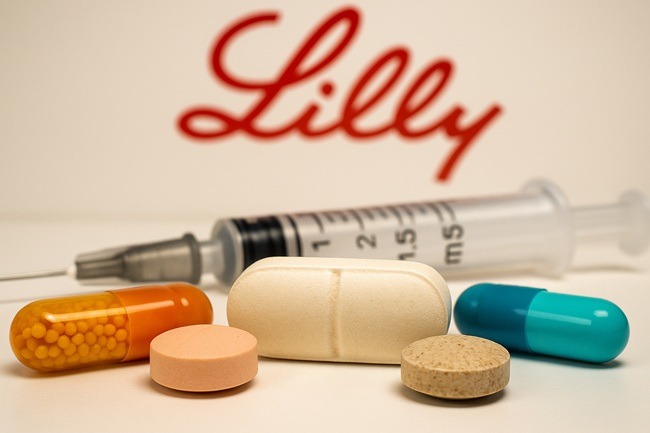
Among the most anticipated pipeline assets is Orforglipron, an investigational oral GLP-1 receptor agonist. Unlike Zepbound and Mounjaro, which are administered via injection, Orforglipron is a once-daily pill. The product has completed late-stage clinical trials and has demonstrated significant efficacy in reducing blood glucose and supporting weight loss among patients with type 2 diabetes and obesity.
The development of Orforglipron addresses a key friction point in the obesity treatment journey: injectable aversion. While Zepbound has been successful, many patients remain hesitant about long-term injectable therapy. An effective oral alternative could dramatically widen the addressable market and improve adherence rates, especially among patients in primary care settings or regions with limited access to injection-based care.
Orforglipron is also seen as a potential long-term maintenance therapy, extending patient retention within the GLP-1 franchise and reducing churn caused by injection fatigue. From a supply chain perspective, oral delivery may ease current capacity constraints and facilitate broader distribution in emerging markets. Eli Lilly and Company has signaled that it expects Orforglipron to be a major commercial asset if approved, complementing the Zepbound injectable platform rather than cannibalizing it.
How Eli Lilly and Company is building next-generation incretin therapies to stay ahead
Beyond oral convenience, Eli Lilly and Company is also working to enhance the biological sophistication of its treatments. The company’s next-generation pipeline includes assets such as Retatrutide, a triple agonist targeting GLP-1, GIP, and glucagon receptors. This compound has the potential to deliver even greater weight loss and metabolic benefit than current dual-agonist therapies.
Early clinical data suggest that Retatrutide could achieve superior reductions in body weight and improvements in metabolic parameters compared to first-generation GLP-1s. Eli Lilly and Company is positioning this candidate as a possible best-in-class therapy for patients with advanced obesity or those who do not respond to current GLP-1-based regimens.
The company is also exploring extended-release formulations, cardiovascular risk reduction applications, and co-formulations that could address multiple chronic conditions with a single therapy. This push toward expanded therapeutic scope is critical to Eli Lilly and Company’s goal of creating a long-term metabolic health platform that delivers value not only in weight loss, but in total patient risk reduction.
Why manufacturing scale and supply readiness are central to Lilly’s next chapter
To support its growing pipeline, Eli Lilly and Company has made substantial investments in manufacturing infrastructure. The company is building new production sites, including large-scale facilities in the United States and Europe, to meet rising global demand for GLP-1 therapies. These investments reflect the firm’s view that supply capability will be a competitive differentiator in the next phase of the metabolic health market.
Zepbound and Mounjaro have already exposed the limits of global supply chains for injectables, and capacity constraints have become a bottleneck for growth. With oral GLP-1 and next-generation assets entering late-stage development, Eli Lilly and Company is aiming to get ahead of potential shortages. The infrastructure build-out also demonstrates the company’s confidence in the longevity of the metabolic franchise and its readiness to defend market share against rivals.
Manufacturing strategy is not just about volume. Eli Lilly and Company is also investing in technologies that can support more efficient biologic production, reduce time to market, and enhance quality control. This vertically integrated approach gives the company an edge in managing global launches and sustaining high-margin distribution models.
What challenges could slow down Eli Lilly and Company’s momentum beyond Zepbound
Despite its lead in the GLP-1 space, Eli Lilly and Company faces several risks as it moves into the next chapter. One challenge is maintaining clinical superiority. While Orforglipron offers the benefit of oral delivery, it may not match the weight-loss efficacy of injectable therapies like Zepbound. Patient expectations have been recalibrated by the dramatic results seen in early GLP-1 trials, and anything perceived as less effective could struggle with adoption.
Competitive pressure is also intensifying. Novo Nordisk A/S is developing its own oral GLP-1 assets and is making significant progress with oral semaglutide. Meanwhile, companies such as Pfizer Inc. and Amgen Inc. are pursuing alternative mechanisms and next-gen incretin designs that could erode Eli Lilly and Company’s lead. Any regulatory delays or unexpected safety signals could allow rivals to close the gap.
On the policy side, pricing pressure remains a wildcard. As more patients gain access to GLP-1 therapies, payers and regulators may push for cost containment, especially if new formulations are introduced at premium prices. Real-world evidence will play a crucial role in sustaining reimbursement, particularly for expanded indications like cardiovascular protection or prediabetes management.
Why Eli Lilly and Company’s post-Zepbound pipeline could redefine chronic disease care
If Eli Lilly and Company executes on its pipeline strategy, the global market for obesity and diabetes therapies may enter a new phase of scale and integration. Oral GLP-1 therapies like Orforglipron could become first-line interventions for early-stage patients, while next-gen agents like Retatrutide could serve as high-impact options for more complex cases. Together, they represent a layered product strategy that can support sustained growth across multiple indications, delivery modes, and geographic regions.
For patients, this evolution could make metabolic health therapies more accessible, convenient, and effective. For payers, the shift to chronic disease prevention and maintenance may yield long-term cost savings and reduce the burden of obesity-related comorbidities. And for investors, the transition from blockbuster moment to platform expansion could mark the beginning of a new valuation arc for Eli Lilly and Company.
The company is not simply riding a drug wave. It is building an integrated ecosystem around one of the largest unmet needs in global healthcare. That approach may be what allows it to stay ahead, long after Zepbound’s initial splash fades from headlines.
Discover more from Business-News-Today.com
Subscribe to get the latest posts sent to your email.