



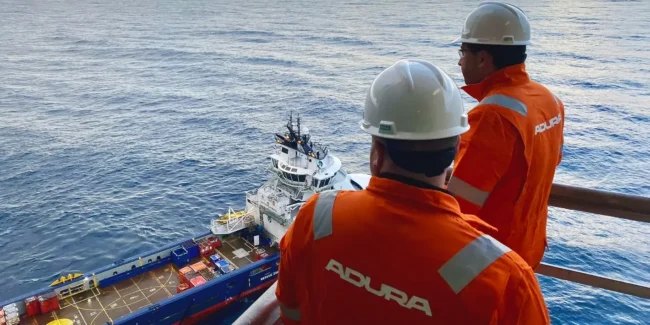
Shell U.K. Limited, a subsidiary of Shell plc (LSE: SHEL), and Equinor UK Limited, a subsidiary of Equinor ASA (OSE: EQNR), have officially completed the formation of Adura, a new incorporated joint venture that now stands as the largest independent oil and gas producer operating in the UK North Sea.
The newly launched Adura will be jointly owned by Shell and Equinor on a 50:50 basis, consolidating a combined portfolio of 12 producing offshore fields, development projects, and a range of exploration licenses. Adura will be headquartered in Aberdeen and staffed by approximately 1,200 employees who have transitioned from both parent companies. Production is projected to exceed 140,000 barrels of oil equivalent per day by 2026, positioning Adura as the top output contributor in the UK Continental Shelf, according to energy research firm Wood Mackenzie.
Why have Shell and Equinor created Adura, and why now?
The launch of Adura represents a strategic reconfiguration of Shell and Equinor’s UK upstream portfolios to unlock asset synergies, streamline cost structures, and extend the economic life of mature offshore assets. Analysts covering North Sea operators suggest the timing reflects a confluence of energy security priorities, capital discipline mandates, and a maturing basin that now favors aggregation over fragmentation.
Shell’s Executive Vice President for Conventional Oil and Gas, Rich Howe, described the joint venture as “an historic moment for the UK energy industry,” noting that the combination of operational expertise and asset breadth would allow Adura to lead in this “mature basin.” Equinor’s Executive Vice President for Exploration and Production International, Philippe Mathieu, said the venture “brings together two strong portfolios and decades of experience,” while providing the “focus, scale and operational flexibility” to thrive under evolving energy dynamics.
For Shell and Equinor, the move enables long-term asset exposure without the overhead of solo operations. The structure also signals growing use of incorporated joint ventures to preserve upstream value while freeing capital and personnel for energy transition ambitions elsewhere.
What assets and operations will Adura manage across the North Sea?
Adura inherits a comprehensive suite of North Sea oil and gas assets previously operated or owned by Shell and Equinor. Key producing fields and development-stage assets include Mariner, Rosebank, Buzzard, Shearwater, Penguins, Gannet, Nelson, Pierce, Jackdaw, Victory, Clair, and Schiehallion. In addition to these 12 assets, Adura holds multiple exploration licenses and will maintain a strong presence in both mature hubs and growth corridors within the basin.
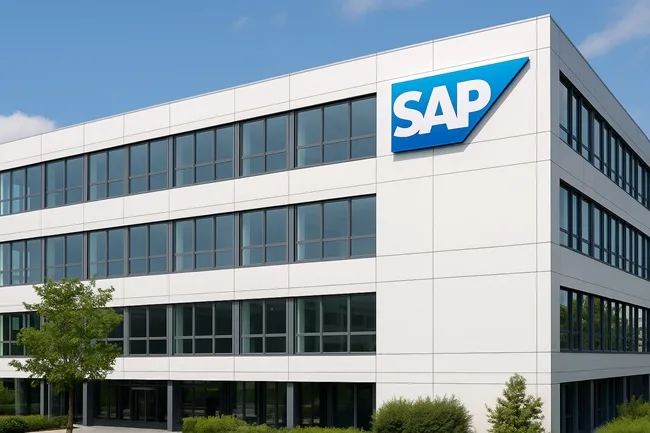
The inclusion of major development projects such as Rosebank and Jackdaw adds forward production upside to the portfolio, while legacy giants like Clair and Schiehallion provide volume stability and brownfield enhancement opportunities. With its headquarters located in the Silver Fin building in Aberdeen, Adura also strengthens the Scottish city’s position as a long-term anchor for North Sea operations and workforce planning.
Neil McCulloch, appointed as Adura’s Chief Executive Officer, brings over three decades of industry experience, including prior leadership roles in EnQuest and BG Group. He called the opportunity to shape a new company’s inaugural chapter a “rare privilege,” emphasizing Adura’s commitment to operational safety, long-term basin stewardship, and the preservation of technical excellence drawn from both parent companies.
What assets have Shell and Equinor chosen to retain outside the Adura JV?
Although the formation of Adura transfers a substantial portion of Shell and Equinor’s UK oil and gas production to the new joint venture, both parent companies have deliberately excluded strategic infrastructure and transition-aligned assets from the deal.
Shell U.K. Limited will retain ownership of its interests in the SEGAL (St Fergus Area Gas Asset Life) system, including the St Fergus Gas Terminal, Fife NGL Plant, and Braefoot Bay loading facility. It also maintains control of the Bacton gas terminal and several Southern North Sea assets, along with residual interests in the Howe field and certain post-cessation-of-production assets.
Equinor has similarly excluded its cross-border upstream projects—Utgard, Barnacle, and Statfjord—from Adura’s portfolio. Moreover, Equinor will continue to own its offshore renewables and transition energy portfolio in the UK, which includes the Dogger Bank, Sheringham Shoal, Dudgeon, and Hywind Scotland offshore wind farms. The company also retains ownership of its UK carbon capture, hydrogen, gas storage, and power generation initiatives, which are seen as central to its long-term decarbonization strategy.
Industry analysts view these carve-outs as deliberate moves to ringfence energy transition infrastructure and maintain regulatory clarity over critical midstream and future-facing assets.
How does Adura’s launch impact the UK’s energy security and policy alignment?
At a time when the UK government has renewed its focus on maximizing domestic hydrocarbon output to ensure energy security and price stability, Adura’s formation sends a signal of long-term operator commitment to the UK Continental Shelf. As policy uncertainty swirls around windfall taxes and net-zero timelines, Adura positions itself as a pragmatic production-focused vehicle capable of extracting value from legacy reserves while remaining agile in investment decisions.
With forecast production of over 140,000 barrels of oil equivalent per day in 2026, Adura is expected to be the single largest contributor to UK offshore output. That makes it a central player in maintaining base-load supply through the transition period, especially as natural gas remains critical for grid balancing and industrial use.
Camilla Salthe, Senior Vice President of Equinor UK Upstream, described the formation of Adura as a “milestone” in Equinor’s presence in the UK. She emphasized the name’s local significance, drawing from the city of Aberdeen and the notion of “durability,” underscoring both geographic roots and basin longevity.
Simon Roddy, Senior Vice President of Shell UK Upstream, added that the venture “looks forward with confidence” toward delivering energy security through a unified, purpose-driven asset base.
Could Adura evolve into a North Sea consolidator or IPO candidate?
Industry observers believe Adura could represent a new wave of basin-level consolidation vehicles. With private equity interest waning and mid-tier independents constrained by capital access, joint ventures such as Adura offer a scalable model for legacy basin stewardship. Whether the vehicle remains under Shell and Equinor’s joint ownership indefinitely, or becomes a candidate for future listing, remains an open question.
Given its scale, experienced management, and stable asset cash flows, Adura is well-positioned for possible future public-market participation. Alternatively, it may serve as a consolidator of stranded or late-life assets from other producers exiting the basin, particularly in the wake of heightened regulatory scrutiny and emissions-linked asset divestment.
Analysts tracking the UK upstream sector note that Adura’s lean structure and asset breadth give it the strategic runway to absorb both decommissioning obligations and brownfield reinvestment cycles, potentially making it a preferred partner for third-party farm-ins and infrastructure tiebacks.
What are the strategic outlook and investor implications moving forward?
From an institutional perspective, the launch of Adura allows Shell and Equinor to refocus capital on global transition plays while preserving North Sea cash generation. Neither company disclosed specific financial terms associated with the asset transfer, but the 50:50 structure provides downside protection and governance alignment for both players.
Investor sentiment toward North Sea exposure has been cautious in recent years due to political volatility and maturing field economics. However, Adura’s scale, production stability, and singular focus may help restore confidence in the basin’s investability.
As of the latest trading data, both Shell and Equinor shares remained stable following the announcement, with no material shift in analyst recommendations. Institutional investors may interpret Adura as a positive step toward cost discipline and portfolio rationalization, especially given the backdrop of global energy transition pressures and shareholder returns prioritization.
Looking ahead, investors will likely monitor Adura’s ability to reduce lifting costs, maintain uptime across aging infrastructure, and meet emissions performance benchmarks—especially if the UK government introduces further carbon regulations for offshore operations.
What are the key takeaways from Shell and Equinor’s launch of Adura?
- Shell U.K. Limited and Equinor UK Limited have officially launched Adura, a 50:50 joint venture that consolidates their UK North Sea oil and gas operations.
- Adura is now the UK’s largest independent offshore oil and gas producer, with projected output exceeding 140,000 barrels of oil equivalent per day in 2026.
- The company takes over 12 producing and development-stage fields, including Mariner, Rosebank, Buzzard, Shearwater, Jackdaw, Clair, and Schiehallion.
- Adura is headquartered in Aberdeen and staffed by approximately 1,200 employees transitioned from both parent companies.
- Shell and Equinor have retained ownership of key infrastructure and energy transition assets outside the JV, including SEGAL system terminals, Dogger Bank wind farm, and CCS projects.
- The venture is seen as a cost-efficient model for mature basin management and long-term asset value maximization without full operator overhead.
- Executive leadership is headed by Neil McCulloch, a seasoned industry veteran with experience in EnQuest and BG Group.
- Analysts view Adura as a potential consolidator of North Sea assets or a future IPO candidate, depending on long-term strategy.
- The move reinforces Aberdeen’s role as the operational heart of UK offshore energy and aligns with broader UK energy security goals.
- Investor sentiment remains neutral to positive, with stable share performance for Shell and Equinor and growing interest in Adura’s cost-optimized structure.
Discover more from Business-News-Today.com
Subscribe to get the latest posts sent to your email.



