



The confrontation between the United States and Venezuela intensified sharply after United States President Donald Trump issued a public warning urging all pilots, airlines, drug traffickers, and human trafficking networks to treat the entire airspace over Venezuela as closed. His statement on Truth Social was released at a moment when United States military activity targeting drug cartels near Venezuelan territory was already under scrutiny, and it added urgency to an already tense situation involving Washington and the government of leftist leader Nicolás Maduro. Trump told his audience to consider the airspace “closed in its entirety,” a phrase that effectively signaled that the United States regarded the skies around the country as unsafe due to worsening security conditions. This pronouncement soon became a central flashpoint in a week marked by aviation advisories, diplomatic accusations, and increased military readiness around the region.
The message appeared after a period of rising tension in which Washington increased pressure on Maduro’s government through sanctions and surveillance operations focused on drug trafficking routes. Caracas pushed back by accusing the United States of violating its sovereignty and fabricating a narrative to justify greater military involvement. The United States deployed an aircraft carrier to the Caribbean and carried out deadly strikes on vessels it claimed were involved in drug trafficking. Trump’s announcement added a high-profile political dimension to those operations, giving the impression that Washington viewed the airspace as a zone of escalating threat.
Why Trump’s warning about Venezuelan airspace raises serious aviation and security questions
The decision by Trump to declare Venezuela’s airspace closed came against a backdrop of mounting friction between the United States and Venezuela over security operations near the country’s borders. For several weeks, Washington had stepped up sanctions pressure and intensified efforts to suppress drug cartels in the region. United States officials pointed to what they described as growing security threats and heightened Venezuelan military activity. This framing was rejected by Caracas, which said the United States was using drug trafficking claims as a pretext for aggressive action.
Trump had earlier signaled that the United States might target Venezuelan drug networks “by land,” a statement that preceded the more direct warning regarding airspace. By the time Trump issued his message, public exchanges between both governments had already escalated into pointed accusations about sovereignty and interference. In his televised address on Thursday, Maduro said Venezuelans would not be intimidated and accused the United States of escalating “excuses and lies” to justify possible intervention. Maduro’s statement reinforced his long-standing insistence that Washington’s actions were meant to undermine his government and provoke confrontation.
The combination of Trump’s remarks and Maduro’s rebuttal turned the airspace issue into a clear symbol of the broader diplomatic standoff. It also positioned commercial and civil aviation operators directly within this high-stakes exchange, particularly as the United States and Venezuela each described the surrounding air corridor as an area of strategic concern.
Why aviation authorities warn that Venezuela’s skies pose risks to aircraft across all altitudes
The Federal Aviation Administration played a central role in shaping the response of commercial aviation operators to developments in Venezuelan airspace. About a week before Trump’s message, the FAA issued a notice urging airlines to exercise caution when flying through the Maiquetia Flight Information Region, stating that the situation had become “potentially hazardous” because of worsening security conditions and increased military activity. That notice was widely circulated across the industry, and several airlines responded by canceling flights to Venezuela.
The FAA’s warning said that operators should exercise caution at all altitudes due to the potential for threats during overflight, arrival, and departure phases. It added that aircraft on the ground could also face risks and that airlines should provide at least 72 hours of advance notice to the FAA before planning flights into or across the region. When Fox Business requested the agency’s response to Trump’s remark, the FAA referred journalists to the advisory it issued on November 21.
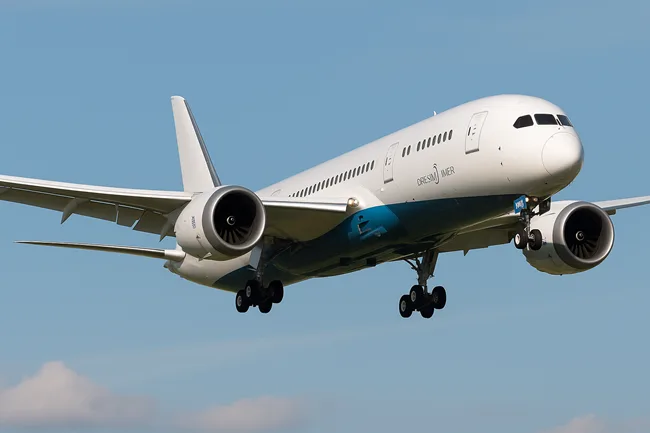
Direct flights from United States passenger and cargo carriers to Venezuela have been suspended since 2019, but several non-United States airlines still pass through Venezuelan airspace as part of their South American routes. According to Reuters, this practice continued even after geopolitical relations deteriorated. Trump’s message and the FAA advisory together created an environment in which airlines had to evaluate risks more urgently and potentially revise flight paths that had remained unchanged for years.
The FAA added further detail in its advisory by addressing interference involving the Global Navigation Satellite System. It said that since September 2025, there had been reports of GNSS interference within the Maiquetia Flight Information Region, which it associated with increasing Venezuelan military readiness. Several civil aircraft had reported interference while transiting the region, with some experiencing lingering effects even after leaving the affected airspace. According to the FAA, GNSS jammers and spoofers can affect aircraft as far as 250 nautical miles away, creating risks for systems essential to communication, navigation, and safety.
The FAA notice KICZ A0012/25 outlined these risks in detail and said that threats existed across all altitudes. It urged operators to report any incidents to the FAA’s Washington Operations Center using the contact information supplied in the notice. The advisory applied from November 21, 2025, at 17:43 UTC and remains valid until February 19, 2026.
How airlines are reacting to heightened United States and Venezuelan military activity
Airlines have historically reevaluated flight paths when geopolitical tensions escalate, and the situation with Venezuela has presented a similar scenario. The combination of United States military operations near Venezuela, the Venezuelan government’s warnings about sovereignty, and the FAA’s advisory on GNSS interference has pressured airlines to reconsider how they navigate the region. Although some airlines had already diverted flights after the FAA notice, Trump’s declaration that the airspace should be considered fully closed added political force to what had already become a technical and operational concern.
Carriers that had flown over Venezuela to save fuel and time on routes across South America began receiving updated risk assessments from aviation safety departments. Some operators moved quickly to suspend overflights, especially after the FAA added details about GNSS interference affecting critical aircraft systems. Others monitored the situation while assessing the likelihood of prolonged restrictions. The advisory’s validity through February 2026 indicated that aviation authorities viewed the risks as ongoing, and this timeline affected how airlines approached scheduling decisions.
What the exchange between Trump and Maduro suggests about the future of regional tensions
The airspace dispute reflects a broader pattern in relations between Washington and Caracas. Trump’s decision to instruct pilots and airlines to avoid Venezuelan skies introduced a direct public framing of what the United States viewed as an escalating threat environment. Maduro’s response, accusing Washington of advancing lies to justify intervention, signaled that Caracas remained committed to pushing back against United States pressure. With military operations continuing in the Caribbean and the FAA advisory in effect for several months, the standoff over Venezuela’s airspace became a focal point of regional tension.
The United States characterization of the airspace as dangerous, combined with Venezuelan claims of interference and intimidation, deepened the divide between the two governments. As both sides publicly maintained their positions, aviation operators, regional authorities, and international observers were left navigating a situation shaped by the intersection of military activity, security advisories, and political messaging.
The events underscored how quickly aviation corridors can become entangled in geopolitical disputes. The warnings from Trump and the FAA, coupled with Maduro’s televised remarks, demonstrated how airspace can shift from a routine transit zone into a contested arena where national security considerations dominate. While airlines adapted their routes and reviewed safety protocols, the underlying diplomatic tensions showed no signs of immediate resolution based on the facts presented in the original text.
Key takeaways from Trump’s warning on Venezuelan airspace being “closed”
- United States President Donald Trump told airlines, pilots, drug traffickers, and human trafficking networks to treat Venezuelan airspace as entirely closed.
- The warning appeared on Trump’s Truth Social platform during ongoing United States military operations against drug cartels near Venezuela.
- Tensions rose as Washington increased sanctions and surveillance operations targeting regional drug cartels, which Caracas said violated its sovereignty.
- The United States deployed an aircraft carrier to the Caribbean and carried out lethal strikes on vessels it said were involved in drug trafficking.
- Trump stated earlier in the week that Venezuelan drug networks could soon be targeted “by land.”
- Venezuelan President Nicolás Maduro said in a televised address that Washington was escalating “excuses and lies” to justify possible intervention and insisted Venezuelans would not be intimidated.
- About a week before Trump’s post, the Federal Aviation Administration warned airlines to use caution in the Maiquetia Flight Information Region due to worsening security and heightened military activity.
- The FAA said threats could pose risks at all altitudes, including overflight, arrivals, departures, and aircraft on the ground.
- Some international airlines cancelled flights to Venezuela after the FAA advisory.
- The FAA referred media inquiries regarding Trump’s message to its November 21 advisory notice.
- Direct United States passenger and cargo flights to Venezuela have been suspended since 2019, but some airlines still overflew the country on South American routes.
- The FAA reported increased Global Navigation Satellite System interference in Venezuelan airspace since September 2025, linked to rising Venezuelan military readiness.
- GNSS jammers and spoofers were reported to affect aircraft up to 250 nautical miles away, disrupting communication, navigation, and safety systems.
- FAA notice KICZ A0012/25 requires operators to provide 72 hours of advance notice for planned flights and report any safety or security incidents.
Discover more from Business-News-Today.com
Subscribe to get the latest posts sent to your email.