


As the artificial intelligence revolution intensifies, driven by increasingly complex models and hyperscale compute, a traditionally overlooked segment of power infrastructure is stepping into the spotlight: medium-voltage systems. These components, which serve as the bridge between high-voltage transmission and low-voltage delivery, are now playing a vital role in enabling the reliability, safety, and scale required by next-generation data centers, EV infrastructure, and mission-critical industrial facilities.
The recent inauguration of Schneider Electric’s 500,000-square-foot manufacturing facility in Mt. Juliet, Tennessee on November 11, 2025, underscores this strategic pivot. The site is dedicated to producing air-insulated switchgear, gas-insulated switchgear, and shielded solid insulation systems. A second adjacent facility, spanning over 540,000 square feet, is already under construction. Together, they form a cornerstone of Schneider Electric’s U.S. energy manufacturing roadmap, timed to support rising domestic demand for resilient energy distribution as artificial intelligence and electrification accelerate.
As energy loads surge and computing density rises, medium-voltage infrastructure is emerging as the unseen enabler of AI growth and the industrial world is starting to take notice.
Why is medium-voltage equipment becoming critical for powering AI-era infrastructure in 2025?
In 2025, AI data centers are projected to require up to five times more power than their pre-AI counterparts, according to infrastructure analysts. This increased energy demand is not just about quantity, but also about precision. AI facilities require continuous uptime, voltage stability, and protection against surges or failures that could corrupt training processes or disrupt real-time inferencing.
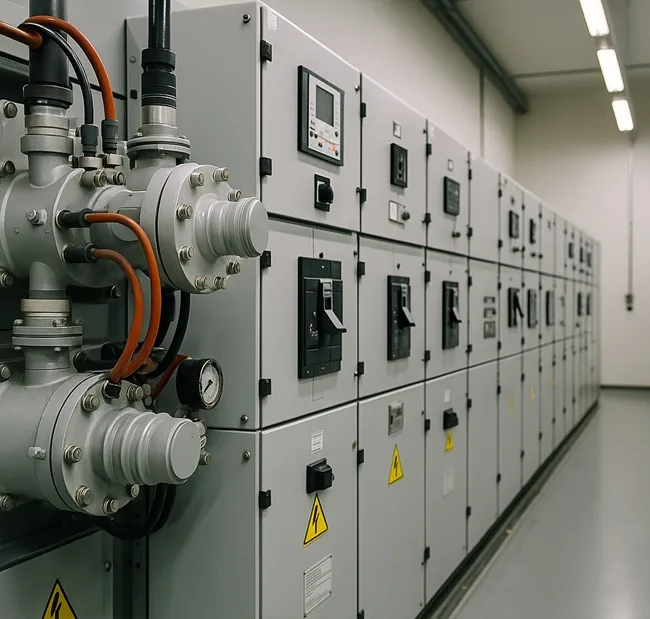
Medium-voltage systems, typically rated between 1 kilovolt and 35 kilovolts, are engineered to manage large-scale energy flows while minimizing transmission losses and enabling flexible distribution. They are essential in segmenting power loads across critical nodes within data centers, EV corridors, energy storage hubs, and microgrid-enabled campuses.
The role of medium-voltage gear has evolved from static backbone to intelligent interface. With the integration of real-time diagnostics, thermal monitoring, and remote fault isolation, these systems are increasingly seen as foundational to the high-availability environments demanded by AI, edge compute, and electrified logistics.
Experts following the space point out that the largest hyperscale builders, including Amazon Web Services, Microsoft Azure, and Google Cloud, are now embedding medium-voltage systems earlier in their design processes. This shift signals a change in how compute infrastructure is being architected: from CPU-centric planning to power-centric blueprints.
How are companies like Schneider Electric and Eaton positioning for this medium-voltage surge?
Schneider Electric’s Mt. Juliet expansion is the latest proof point in a broader realignment of manufacturing priorities. The company’s new facility near Nashville complements its existing operations in Franklin and Smyrna, Tennessee, and enhances its ability to serve customers across data center, industrial, and infrastructure segments. The site is designed to build highly specialized medium-voltage gear tailored for U.S.-based projects, including nearby developments like the New Nissan Stadium, where Schneider Electric serves as the official energy management partner.
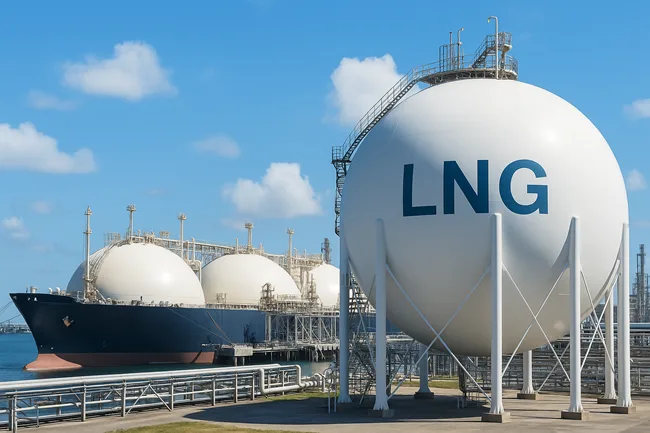
In parallel, Eaton Corporation has scaled up its medium-voltage manufacturing capabilities, including expansions in Texas and Mexico, to support North American utilities and grid modernization projects. Eaton’s portfolio includes arc-resistant switchgear and modular gear assemblies for data centers and electric vehicle fleets. Meanwhile, Powell Industries, a Houston-based manufacturer of engineered-to-order electrical equipment, is seeing increased order flow from liquid natural gas terminals and battery storage developers.
These players are investing not just in production capacity but in digitization. Schneider Electric has integrated its switchgear with EcoStruxure, its smart grid and automation platform, allowing customers to monitor energy use, detect anomalies, and prevent faults remotely. Eaton’s Brightlayer platform provides similar analytics, enabling predictive maintenance and energy optimization for mission-critical environments.
The message from the industry is clear: medium-voltage is no longer just equipment. It is a platform for resilience, efficiency, and operational intelligence.
What role does reshoring and domestic energy resilience play in switchgear demand growth?
The surge in demand for medium-voltage infrastructure has coincided with a new wave of reshoring across the U.S. manufacturing landscape. Schneider Electric’s Tennessee facility is emblematic of this shift. Built with support from state and local governments, it reflects broader industrial policy trends favoring onshore production of energy-critical hardware.
Federal incentives under the Inflation Reduction Act and the Bipartisan Infrastructure Law have amplified this momentum, creating demand for domestic content in everything from grid upgrades to renewable integration. Medium-voltage products, often made to order and certified to specific grid standards, are particularly well suited to localized production due to lead time sensitivity and regulatory compliance requirements.
By manufacturing in the U.S., Schneider Electric and peers can mitigate risks associated with overseas shipping delays, fluctuating tariffs, and component shortages. This not only improves supply chain resilience but also allows companies to better align with sustainability goals by reducing the carbon footprint of global logistics.
Investor sentiment is beginning to reflect this reality. Analysts covering the industrial sector note a growing interest in firms that can supply mission-critical energy equipment from within the U.S. market. Medium-voltage capacity is now viewed as a strategic asset, not just a cost center, particularly as utilities and data center operators prepare for exponential load growth.
Can next-generation switchgear and insulation systems meet the needs of AI hyperscalers and EV hubs?
Today’s medium-voltage infrastructure is not the same as a decade ago. Modern switchgear systems have evolved into compact, modular, and smart-enabled products that meet the specific needs of dense, power-hungry environments like AI data halls and EV megasites.
Gas-insulated switchgear, for instance, provides enhanced safety and space efficiency, which is ideal for subterranean or urban data center locations. Shielded solid insulation systems reduce arc flash risk while enabling seamless integration with digital monitoring platforms. These systems are also designed to handle bidirectional power flow, a growing requirement as campuses incorporate battery storage, renewable generation, and vehicle-to-grid capabilities.
Schneider Electric’s innovations in this area are integrated into its AI-ready EcoStruxure platform, enabling live performance data from switchgear to feed into enterprise energy dashboards. Eaton’s digital twin models allow for simulated load testing and optimization before physical deployment. These capabilities make medium-voltage infrastructure an active participant in power orchestration rather than a passive component.
The expansion of edge data centers, autonomous vehicle networks, and electrified industrial clusters further intensifies the need for reliable, adaptable medium-voltage systems. Analysts expect continued product development around cyber-secure control units, AI-based fault prediction, and modular substation designs, all of which build on the backbone established by medium-voltage gear.
What are the investor signals and industrial policy implications from this medium-voltage renaissance?
Medium-voltage infrastructure is no longer a niche segment buried in utility CapEx budgets. It has become a focal point of investment strategies aligned with electrification, artificial intelligence, defense modernization, and climate resilience.
Institutional investors tracking grid infrastructure and clean tech funds are increasing allocations toward companies that build or integrate medium-voltage systems. Although Schneider Electric is listed in Europe, its American Depositary Receipts have gained visibility among U.S. institutional allocators seeking exposure to energy resilience themes. Meanwhile, U.S.-listed companies like Powell Industries and AZZ Incorporated are attracting attention as niche suppliers benefiting from reshoring and infrastructure legislation.
The policy environment is also becoming more favorable. Several Department of Energy funding streams now explicitly include medium-voltage infrastructure as an eligible category for grants and pilot programs. State-level energy offices are integrating medium-voltage switchgear into microgrid development guidelines and resilience audits for schools, hospitals, and data centers.
Forward-looking policymakers see medium-voltage equipment as an essential layer in the energy stack, which is capable of supporting load flexibility, distributed energy resources, and rapid response to grid events. For this reason, analysts believe that future rounds of federal infrastructure funding could include targeted allocations for medium-voltage modernization, especially in underserved or high-growth regions.
As artificial intelligence continues to reshape industries and digitalization fuels energy intensity, medium-voltage infrastructure is positioned to remain at the center of both operational strategy and national policy.
Discover more from Business-News-Today.com
Subscribe to get the latest posts sent to your email.