



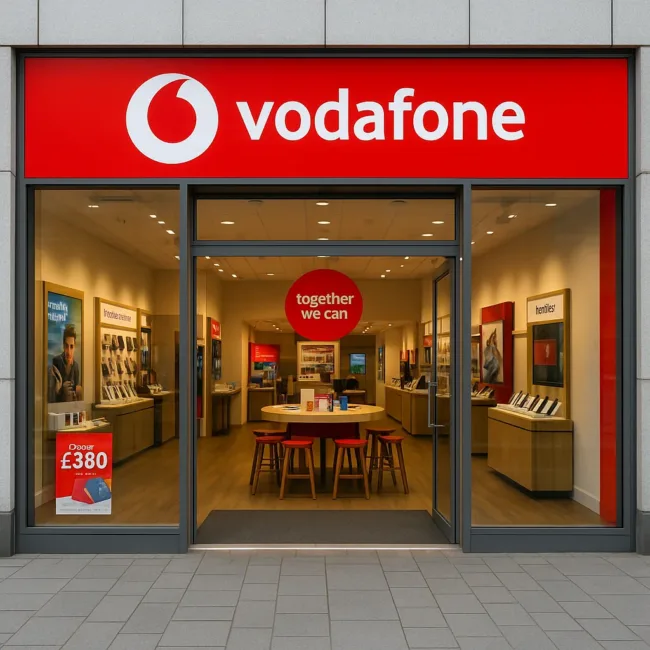
European telecom consolidation is once again under the spotlight, as two high-profile transactions signal diverging strategic approaches in the region. Vodafone Group Plc’s longstanding Dutch joint venture with Liberty Global Plc through VodafoneZiggo Group B.V., and the €5 billion sale of Vodafone Spain to Zegona Communications plc, present contrasting case studies in convergence versus carve-outs. With operators under pressure to deliver profitable growth while navigating capex-heavy infrastructure upgrades and cutthroat pricing, these deals offer insights into whether consolidation in the sector is finally becoming a lever for long-term shareholder value.
What do the VodafoneZiggo and Vodafone Spain deals reveal about consolidation strategy in European telecoms?
Vodafone Group Plc’s creation of VodafoneZiggo Group B.V. was completed on December 31, 2016, as a 50:50 joint venture between Vodafone Netherlands and Ziggo, with the aim of building a converged operator that could offer bundled mobile, broadband, TV, and fixed-line services across the Netherlands. The venture was expected to deliver annual cost and capex synergies of approximately €280 million within five years, with additional revenue synergies offering a potential net present value of €1 billion.
In recent months, speculation has grown around Liberty Global Plc seeking to acquire Vodafone Group Plc’s 50 percent stake in VodafoneZiggo Group B.V., indicating that the venture may now be considered a mature, monetizable asset. This possibility, if realized, would mark one of the largest intra-sector capital reallocations in recent European telecom history and could allow Vodafone Group Plc to further streamline its operations.
By contrast, the sale of Vodafone Spain to Zegona Communications plc, completed in May 2024 for an enterprise value of €5 billion, marked a tactical withdrawal from one of Europe’s most competitive telecom markets. The transaction consisted of €4.1 billion in cash and €0.9 billion in redeemable preference shares. The exit reflected Vodafone Group Plc’s broader effort to shed underperforming regional assets in favor of core-market optimization.
Together, these two strategic moves demonstrate how European telecom operators are experimenting with different models of value extraction. VodafoneZiggo represents a bet on scale and convergence in a stable market, while the Vodafone Spain divestiture reflects a capital recycling strategy aimed at reinvestment and financial discipline. Both paths, however, are converging on the same central question: can consolidation actually drive sustainable growth rather than just cost savings?
Is infrastructure convergence finally driving tangible value creation?
At the heart of the VodafoneZiggo thesis is the convergence model—integrating mobile, broadband, and pay-TV offerings to reduce customer churn, improve average revenue per user (ARPU), and create operational leverage. In June 2025, VodafoneZiggo Group B.V. announced a partnership with DELTA Fiber Netherlands B.V. to deliver internet and TV services over DELTA Fiber’s infrastructure in areas where VodafoneZiggo lacks last-mile access. The arrangement is expected to extend coverage to over 600,000 households beginning in 2026 and reflects a growing emphasis on wholesale fiber access to mitigate rollout costs.
Additionally, in April 2025, VodafoneZiggo signed a three-year strategic network modernization agreement with Ericsson AB. The initiative involves upgrading its mobile infrastructure with 3.5 GHz spectrum support and next-generation radio systems. This investment aims to support increasing data usage, edge applications, and enterprise-grade Internet of Things deployments.
However, despite these strategic moves, VodafoneZiggo has faced headwinds. Broadband customer attrition has remained an issue, and recent revenue declines suggest that the gains from convergence may be more incremental than transformative. As other infrastructure players enter the Dutch market with full-fiber offerings, VodafoneZiggo’s ability to maintain ARPU and subscriber growth remains under scrutiny.
Can Zegona turn around Vodafone Spain in a fragmented and low-margin market?
Zegona Communications plc has taken a sharply different route with Vodafone Spain. Instead of pursuing convergence, Zegona is executing a classic turnaround strategy. Since taking control of Vodafone Spain, the company has focused on restructuring debt, optimizing operations, and positioning the business for eventual sale or re-integration.
In March 2025, Zegona renegotiated €1.29 billion of debt, securing a reduction in interest rates from 4.25 percent to 3 percent. This early move to improve financial stability sent positive signals to both creditors and institutional investors, many of whom had written off the Spanish unit as a drag on Vodafone Group Plc’s wider portfolio.
Speculation intensified in August 2025 when reports emerged that Telefónica S.A. was evaluating a takeover of Vodafone Spain. If such a move materializes, it could trigger the next wave of European telecom consolidation, particularly in fragmented markets where three to four players compete in low-ARPU environments. A successful exit for Zegona would validate its “buy-fix-sell” model and create a potential playbook for other private equity-style telecom operators.
Nonetheless, Spain remains a structurally difficult market. ARPU continues to be pressured by price competition, and the costs associated with fiber expansion and 5G rollouts are significant. While Zegona may extract short-term financial improvements, long-term strategic value will depend on whether Vodafone Spain can transform its service mix and digitize operations at a competitive pace.
What are institutional investors watching as the next signals of success?
Investor sentiment across both case studies is cautiously optimistic but grounded in tangible KPIs. For VodafoneZiggo Group B.V., continued ARPU expansion, mobile broadband convergence metrics, and net subscriber growth will be critical to justifying further investment. The success of the DELTA Fiber partnership and mobile infrastructure modernization will also influence sentiment.
In the case of Vodafone Spain, investors are looking at debt metrics, EBITDA margin expansion, and subscriber stabilization. The potential for an exit to Telefónica S.A. adds a layer of optionality, though it also introduces political and regulatory complexities. The question is whether Zegona can execute fast enough in a structurally challenging market to create exit-worthy value.
More broadly, telecom sector consolidation is no longer just a play for synergies. Institutional capital now demands clear growth levers—digital services monetization, enterprise contracts, AI-driven network optimization, and convergence-driven retention. Operators unable to articulate a forward-looking, tech-enabled growth narrative are likely to be left behind.
Is European telecom entering a new consolidation phase driven by digital transformation?
Both Vodafone Group Plc’s partial exits and retained assets reflect a growing shift in European telecom philosophy. Rather than maintaining sprawling footprints across multiple markets, operators are focusing on fewer geographies where they can deploy capital more effectively and bundle services at scale. This pivot aligns with larger structural trends, including edge computing demand, B2B connectivity solutions, and AI-powered customer lifecycle management.
The sector is also showing signs of transition from cost-led consolidation to growth-oriented platform plays. Deutsche Telekom AG, Orange S.A., and Telefónica S.A. are each investing heavily in AI, digital twins, and automation for operational efficiency, and in fiber and mobile convergence for customer lock-in. The long-anticipated “operator as a platform” model is beginning to emerge, though progress varies by market.
The European Commission’s evolving stance on pro-competitive M&A may also shape the next phase. If regulatory frameworks become more permissive, cross-market mergers could become more commonplace, especially in the context of 5G densification and next-generation broadband requirements.
In this context, VodafoneZiggo and Vodafone Spain represent more than just individual deals—they are leading indicators of how consolidation, when paired with strategic reinvestment, could deliver sustainable results in an industry long criticized for its lack of innovation and low returns on capital.
Key takeaways: Is telecom consolidation finally creating shareholder value?
Vodafone Group Plc’s restructuring across the Netherlands and Spain illustrates two sides of the telecom consolidation coin: convergence to build value in stable markets and tactical exits from underperforming ones. The VodafoneZiggo joint venture is banking on scale economics and convergence, while Zegona Communications plc is executing a high-stakes turnaround with Vodafone Spain.
In both cases, execution quality, market conditions, and regulatory clarity will determine success. As consolidation spreads across European markets, institutional capital will reward operators that use M&A as a springboard for growth, not merely for cost-cutting. Whether these deals signal a true inflection point for telecom growth in Europe will depend on how deeply operators integrate digital platforms into their networks, pricing strategies, and enterprise portfolios.
Discover more from Business-News-Today.com
Subscribe to get the latest posts sent to your email.