


Kerala’s small-scale growers of Cymbopogon—better known as lemongrass—are riding a fresh wave of demand from the global aromatherapy and natural personal care markets. Citral-rich essential oils distilled from the plant are being used in everything from diffuser blends and candles to plant-based cleaning solutions. The state’s warm, humid climate, coupled with generations of cultivation expertise, gives Kerala a natural advantage in producing the high-quality oil preferred by wellness brands.
The oil is extracted through steam distillation from the plant’s leaves and stems, yielding a yellowish liquid with a clean, citrus-forward aroma. It is prized not only for its scent but also for its chemical profile, which can be fine-tuned for different applications. For farmers, the current market surge represents more than a seasonal boost—it is prompting investments in improved cultivars, better distillation equipment, and more structured relationships with exporters.
In India, major lemongrass cultivation hubs include Kerala, Karnataka, Tamil Nadu, and Maharashtra. Within Kerala, districts with good road connectivity have become micro-clusters where farmers pool harvests for small-scale distillation units. These hubs operate almost year-round, thanks to ratoon harvesting, where plants are cut multiple times after their initial growth phase. This ensures a steady supply of raw material and allows distillers to schedule production in line with buyer demand.
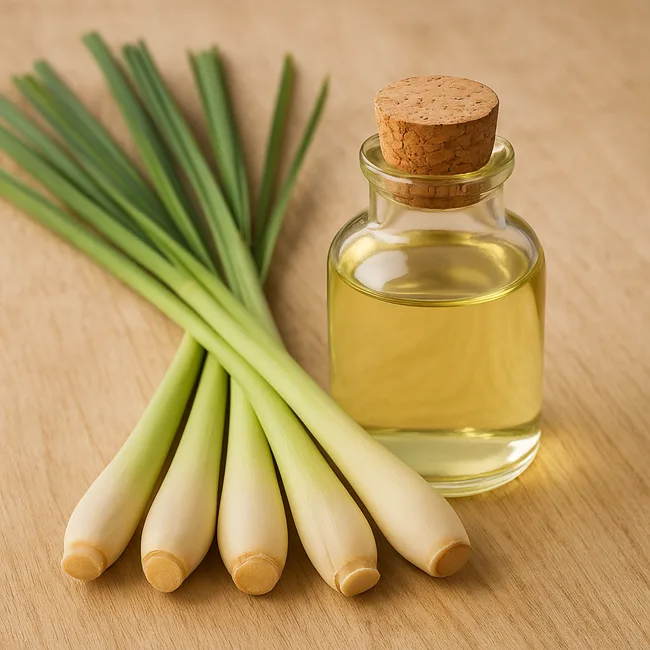
Export markets are the backbone of this growth story. Data from late 2023 through 2024 shows India shipping hundreds of consignments of lemongrass oil to buyers in the United States, Vietnam, Malaysia, and other destinations. These exports are not occasional spikes but recurring shipments, suggesting strong repeat demand from established fragrance houses, aromatherapy brands, and natural cleaning product manufacturers. Such continuity in orders helps farmers plan their planting and harvesting cycles more effectively, while exporters can lock in forward contracts.
Wholesale prices for Indian lemongrass oil have been firming over the past two years, climbing from around 16–37 United States dollars per kilogram in 2023 to roughly 16–42 United States dollars per kilogram in 2024. This steady upward drift reflects both tighter global availability and a willingness among buyers in the wellness sector to pay more for verified high-citral oil. For Kerala’s distillers, the difference between average and premium pricing can hinge on citral percentages, colour clarity, and freshness—all of which can be influenced by cultivation practices and prompt processing after harvest.
How are price trends, export demand, and cultivation innovations shaping the future of Kerala’s lemongrass oil industry?
Scientific advances in plant breeding are also helping Kerala farmers capture more value. New cultivars developed by Indian agricultural research institutes are delivering higher oil yields per hectare and elevated citral content, sometimes exceeding 80 percent. For growers with small plots, these improvements can make the difference between subsistence-level returns and a sustainable income. Premium buyers, particularly in the aromatherapy and natural beauty sectors, are willing to pay more for oil backed by assay certificates that confirm citral content and purity.
The broader essential oils market is expanding globally, with analysts projecting strong growth into the next decade. Aromatherapy, “clean beauty” formulations, and eco-friendly home-care products are all contributing to the surge in demand. Lemongrass oil’s fresh scent, versatility, and natural origin position it well to benefit from these trends. For Kerala, the challenge is to maintain consistency in quality while scaling up supply in a way that preserves the product’s artisanal appeal.
The risks are real. Synthetic citral, as well as botanical alternatives like Litsea cubeba oil, can compete with natural lemongrass oil on cost for certain industrial applications. In commodity-grade segments, this can cap prices. However, in premium categories where natural sourcing and traceability are key marketing points, Kerala’s product remains competitive. Exporters and cooperatives are responding by implementing quality control measures, from gas chromatography testing to strict harvest timing protocols.
Looking ahead, the shift from opportunistic selling to structured supply programs could define the next phase of growth. If farmers adopt improved cultivars, standardise harvest intervals to optimise oil quality, and invest in better storage and distillation infrastructure, they will be well-positioned to secure longer-term contracts with international buyers. These steps would not only stabilise farm incomes but also enhance Kerala’s standing as a reliable source of premium lemongrass oil for the global aromatherapy industry.
From the smallholder fields of Kerala to wellness boutiques abroad, lemongrass oil’s journey reflects the intersection of tradition, science, and market demand. As the aromatherapy sector continues to expand, the state’s growers have a clear opportunity to turn a fragrant grass into a sustainable export success story—provided they stay focused on quality, innovation, and strong buyer relationships.
Discover more from Business-News-Today.com
Subscribe to get the latest posts sent to your email.